
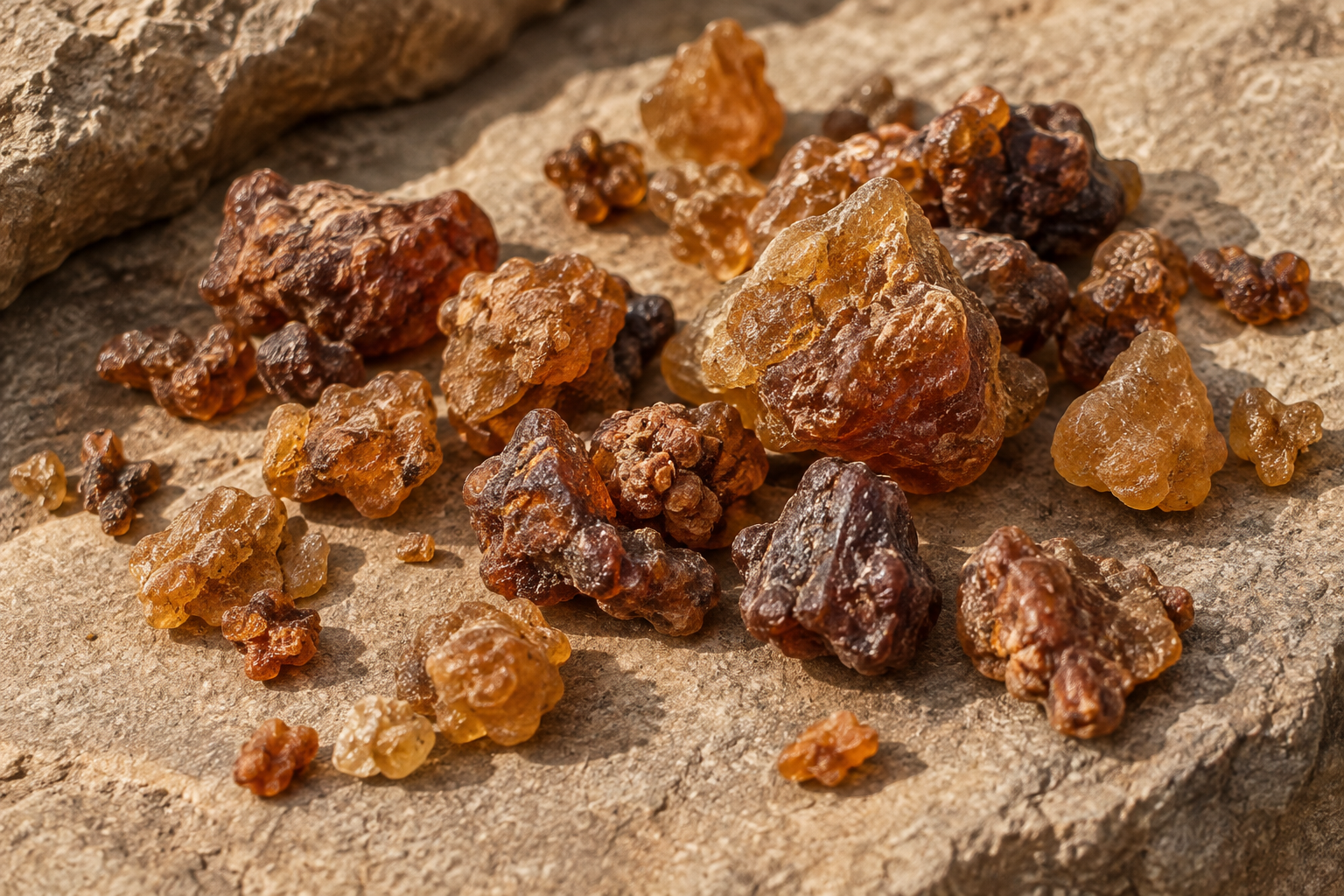
 Riiffs Freeze in Flames: Ice and Flames Illuminate Warsaw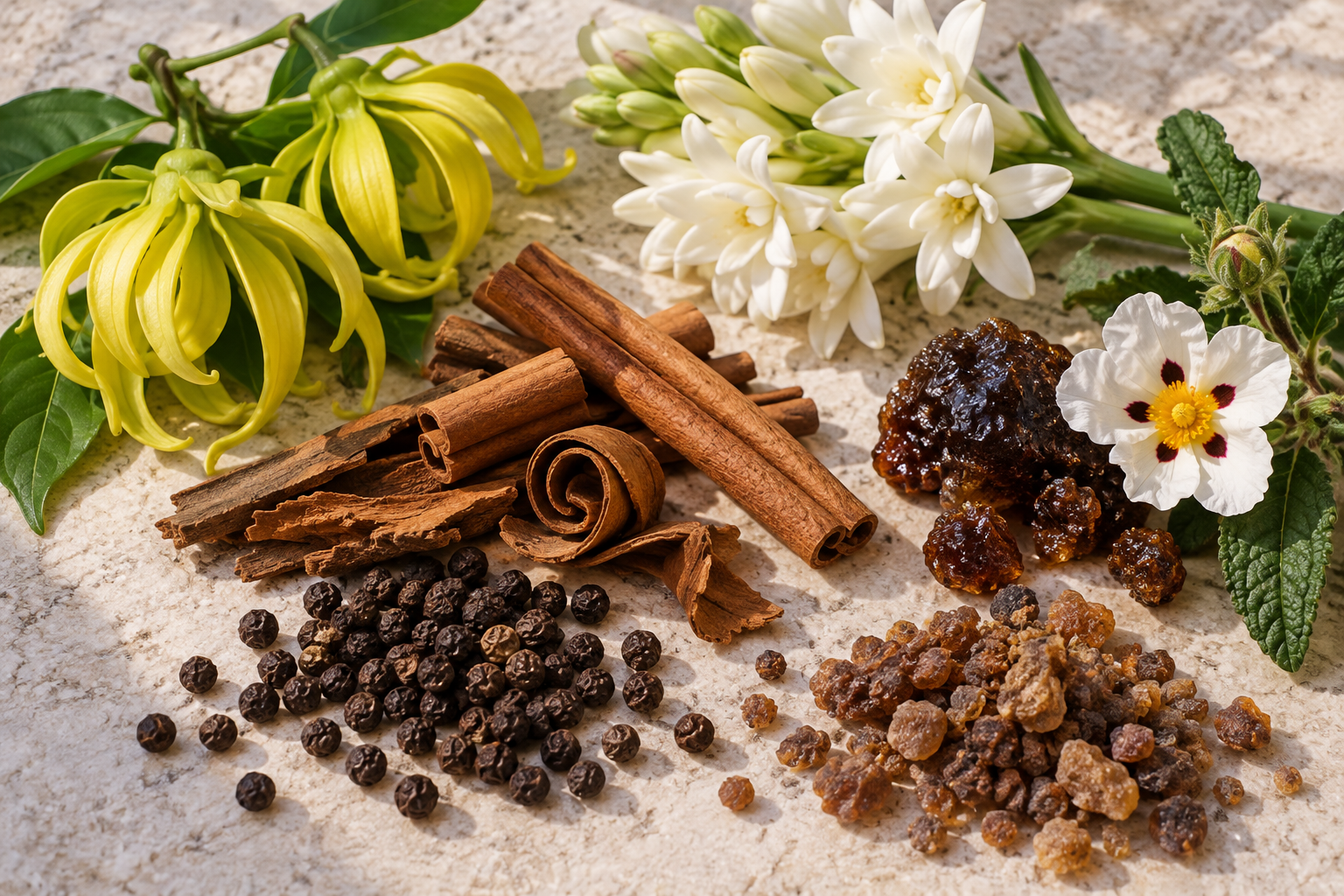
What lies behind the notes in a perfume description? In the fourth part of our encyclopedia of perfume ingredients, we introduce ylang-ylang, tuberose, cinnamon, black pepper, labdanum, and myrrh – where they come from, how they are obtained, and how they smell.
Ylang-ylang – the Golden Flower of the Comoros Islands
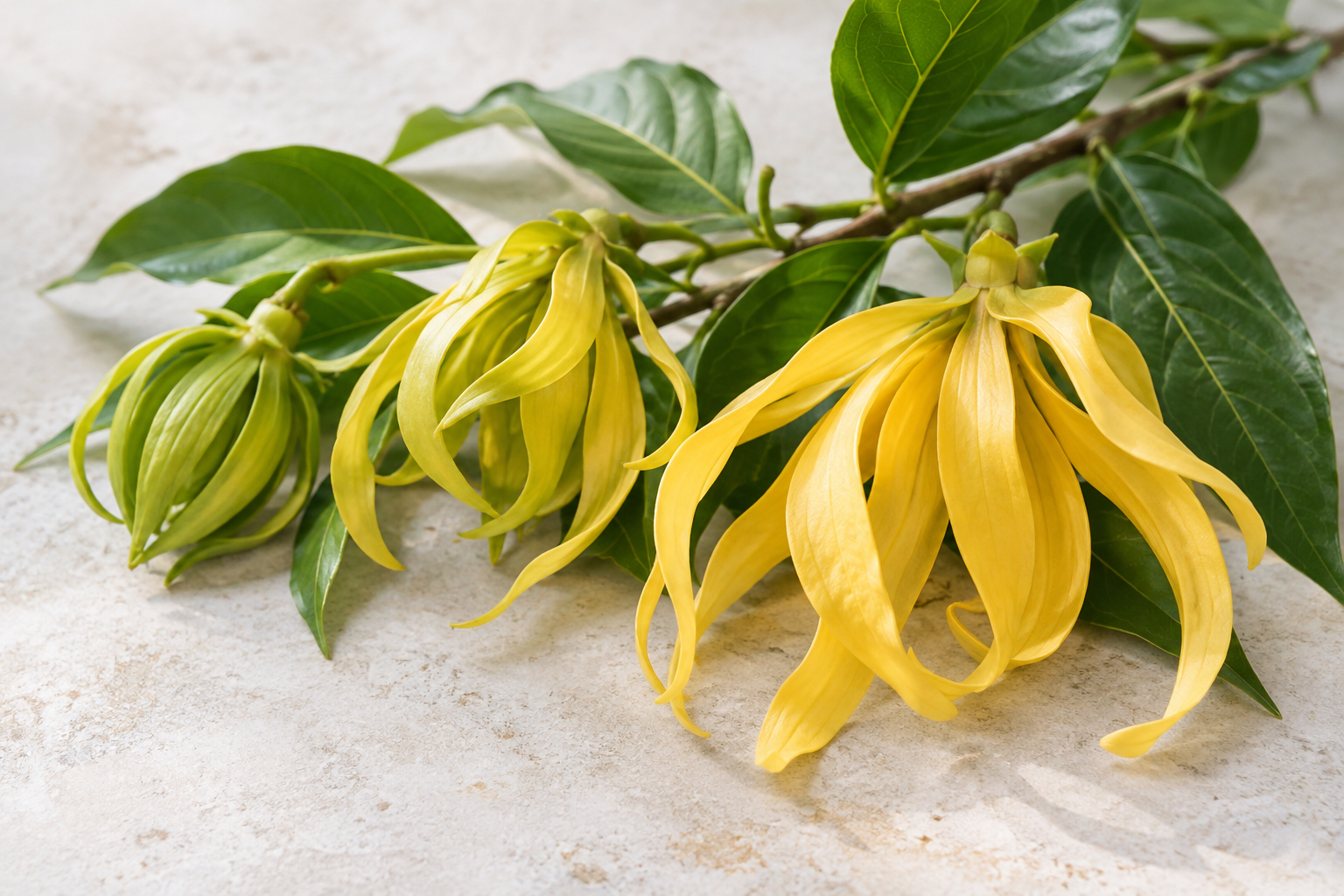
Ylang-ylang is the flower of the tropical tree Cananga odorata, naturally growing in Southeast Asia – from the Philippines to Indonesia. Its name is most often derived from the Filipino language Tagalog and loosely translates to "flower of flowers." Today, it is primarily cultivated for perfumery on the Comoros Islands and Madagascar, where the tree spread at the turn of the 19th and 20th centuries. The islands in the Indian Ocean now supply most of the oil used by perfumers.
The trees are regularly pruned on plantations to keep the flowers within reach. The long, slightly wavy petals are initially green and gradually turn yellow. Harvesters select only fully mature, vibrant yellow flowers, preferably early in the morning when their fragrance is most intense – hence the nickname golden flower.
The essential oil is obtained through steam distillation, which for ylang-ylang takes an unusually long time, around twenty hours. The oil is not collected all at once but in several phases. Each fraction has a different composition and fragrance character:
- Extra – the first, shortest part of the distillation. It is the most delicate, freshest, and floral, which is why perfumers value it the most.
- Fractions I and II – gradually fuller, sweeter, and rounder, with diminishing freshness.
- Fraction III – the last and heaviest part with a more pronounced spicy and woody undertone. It is mainly used where the fragrance needs to last long.
There is also a so-called complete quality, where the distillation is uninterrupted, and the resulting oil contains all components together. Besides the distillate, an absolute is also produced for perfumery, obtained through solvent extraction.
The scent of ylang-ylang is creamy, sweet, and distinctly floral, with a hint reminiscent of jasmine. Beneath the surface, there is a fruity, slightly banana-like tone, a lightly spicy note evoking cloves, and in heavier fractions, a honeyed or balsamic undertone. In high concentration, it can be almost intoxicating, while in small doses, it adds a velvety fullness and warmth to the composition.
Thanks to this nature, ylang-ylang is often part of several types of accords:
- Floral bouquets – it connects rose, jasmine, or lily of the valley and adds smoothness, making the bouquet feel like a cohesive whole.
- White flowers – it enhances the creaminess and sensuality of other white flowers and softens their sharper, green tones.
- Oriental accords – with vanilla, benzoin, or sandalwood, it creates a warm, rounded heart of the composition.
- Sunny accords – together with coconut and milky notes, it evokes the impression of sun-kissed skin and a seaside holiday.
Whether you perceive it as the main star in a composition or just a quiet helper, it reveals itself with a typical creamy sweetness that is easy to remember after the first encounter. On a test strip or skin, it is worth letting the fragrance develop for a while – it shows most of its character in the heart of the perfume.
Tuberose – the Enchanting Queen of the Night
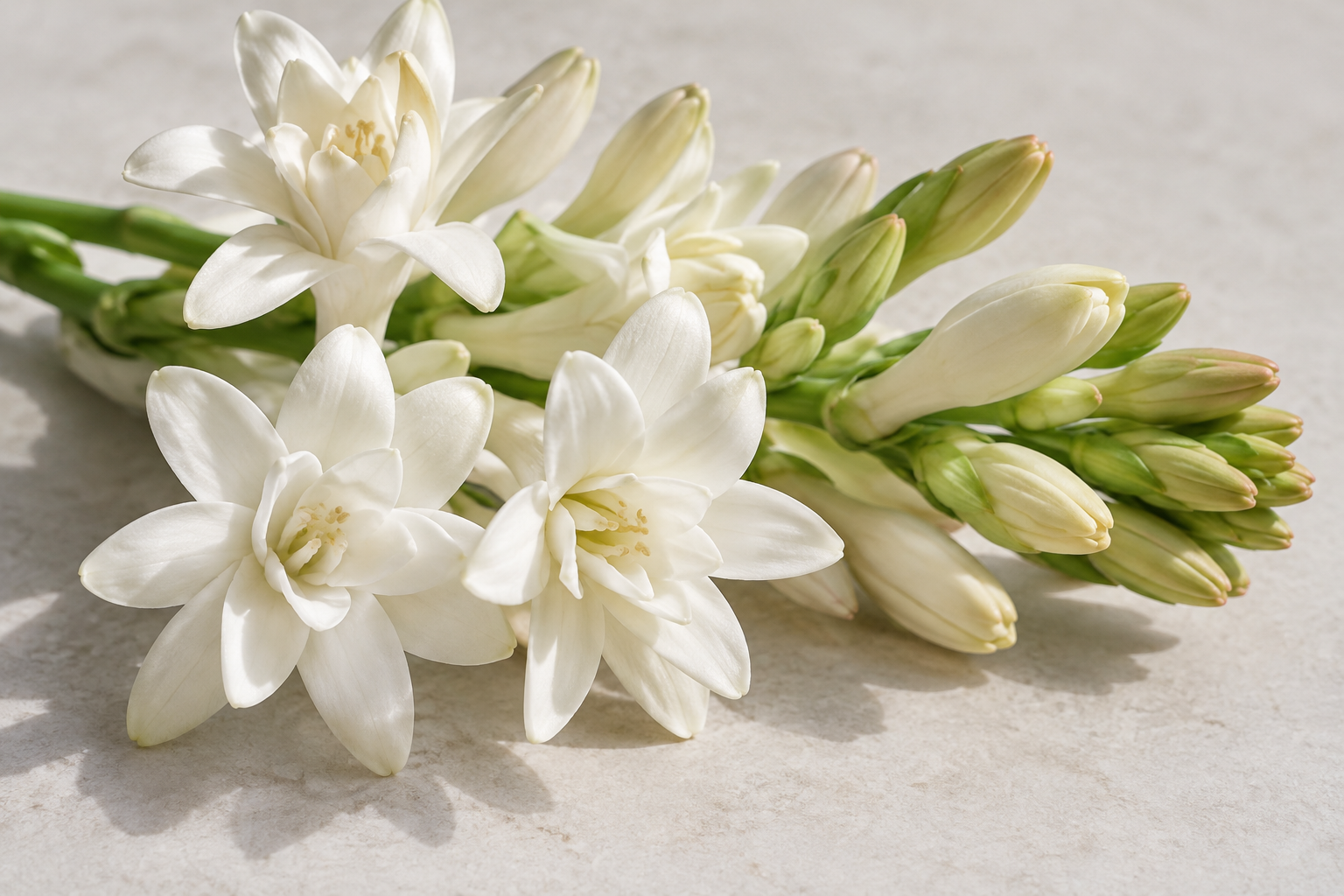
Tuberose (Polianthes tuberosa) is a perennial plant with a bulb and a long stalk, on which waxy white tubular flowers gradually bloom. It originates from Mexico, where it was known to the Aztecs, and was brought to Europe in the 16th century by Spanish sailors. Later, it was cultivated around the French town of Grasse, but today the raw material for perfumery mainly comes from India. There, it is called rajnigandha, meaning "scent of the night" – and indeed, its fragrance is most intense after dusk.
Tuberose is one of the flowers that are difficult to process. Its scent is delicate, and high temperatures would alter it, so it is rarely obtained by traditional steam distillation.
For centuries, the method of enfleurage was used to capture its scent. Freshly picked flowers were spread on glass plates coated with a thin layer of purified fat, which slowly absorbed the fragrant compounds. Tuberose was particularly well-suited for this process because it continues to produce scent for several hours after being picked. The flowers were replaced daily until the fat was saturated, and the resulting fragrant pomade was then washed with alcohol. The method was extremely labor-intensive and is therefore rarely used today.
Modern perfumery relies on solvent extraction. The flowers are soaked in a volatile solvent, which extracts the fragrant compounds along with natural waxes. After the solvent evaporates, a thick waxy substance known as concrete or concentrate remains. This is further processed with alcohol, frozen, and filtered to separate the waxes. After the alcohol evaporates, an absolute extract is formed – a thick liquid that carries a very true imprint of the living flower's scent. A large amount of hand-picked flowers is needed for a small amount of absolute, making tuberose one of the rare and highly prized floral raw materials.
Those who smell tuberose for the first time are often surprised by its strength. The fragrance is intoxicating, sensual, and very full, with several layers that unfold gradually:
- buttery creamy impression, smooth and almost tangible,
- hint of coconut and sweet milk, associated with naturally occurring lactones,
- green notes reminiscent of a freshly broken stem,
- slightly camphoraceous cool undertone, which adds a special tension to the scent,
- in the background, gentle honeyed and spicy nuances.
Along with jasmine and orange blossom, tuberose is one of the pillars of white floral accords – a group of scents characterized by creamy fullness and sensuality. Perfumers use it in the heart of compositions, where it adds volume and allure, and often to create the scent of flowers from which a fragrant extract cannot be obtained, such as gardenia. In the fragrance pyramid, tuberose appears primarily as a middle note, but its trace extends into the base.
Tuberose on its own could easily overpower everything else, so perfumers carefully tame it. They use it sparingly, balancing its sweetness with fresh citrus or green notes and softening its camphoraceous sharpness with musk, vanilla, or soft woody bases. Besides the natural absolute, they also use synthetic reconstructions that highlight only selected shades of the flower – perhaps its creaminess without the heavy, almost intoxicating undertone. If tuberose intrigues you, try it on your skin first and give it time: in the first few minutes, it is most intense, and only gradually does it unfold into a warm, velvety floral trail.
Cinnamon – The Warm Spice from Tree Bark
You can recognize cinnamon even with your eyes closed. It reminds you of Christmas pastries, mulled wine, and oriental markets, yet in perfumery, it behaves much more subtly than your kitchen experience might suggest. Under one word, there are two plants and two different raw materials.
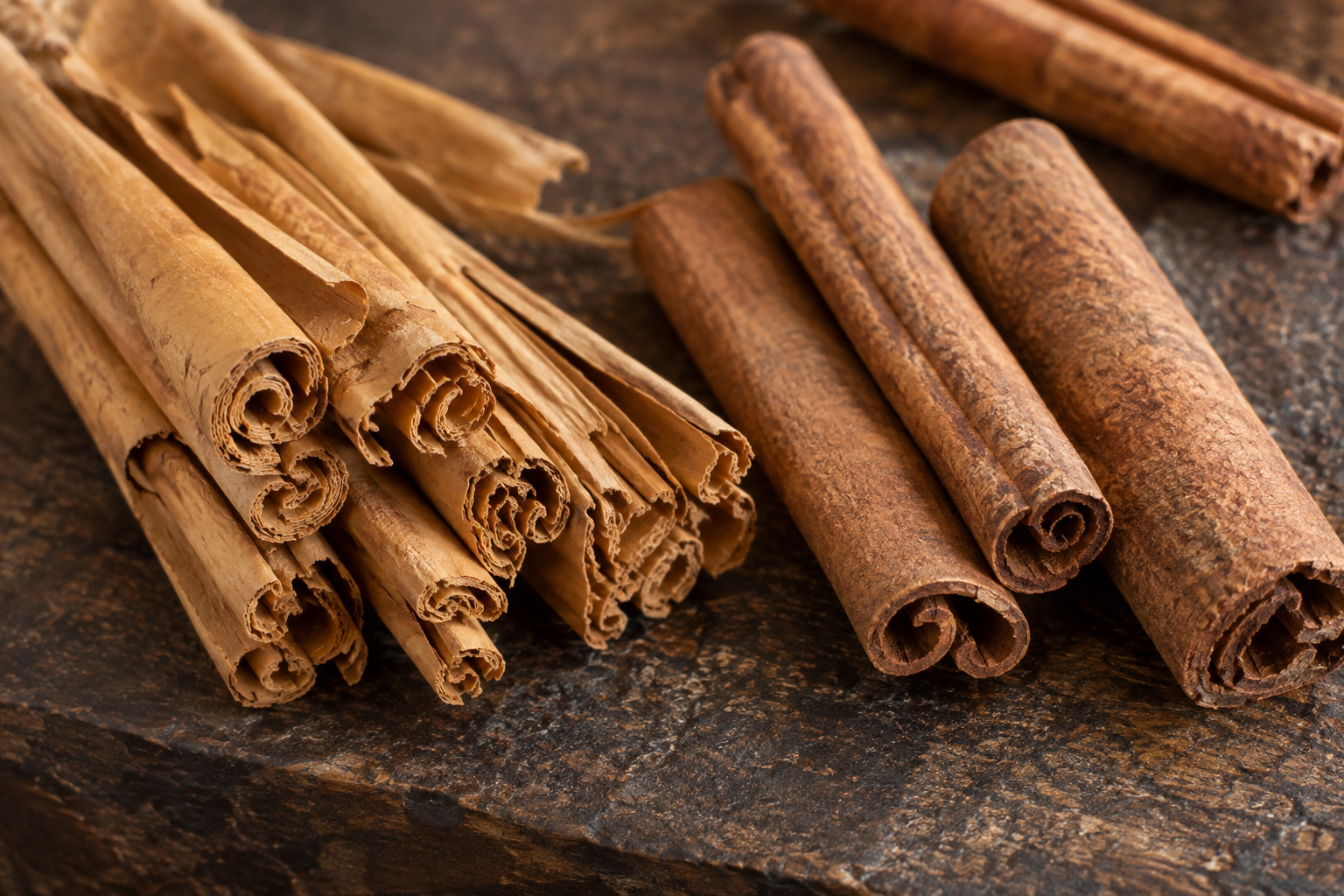
True cinnamon (Cinnamomum verum, formerly known as Ceylon cinnamon) comes from Sri Lanka, where it has been cultivated for centuries. The trees are regularly pruned to encourage new shoots, from which the thin inner bark is peeled; when dried, it curls into fragile rolls. Its relative, cassia (Cinnamomum cassia), is mainly grown in China and other Southeast Asian countries. It has a thicker, tougher bark and a coarser, more straightforward, and less delicate scent. Perfumers use both – true cinnamon for more delicate compositions, cassia where a more pronounced warm accent is needed.
Bark or leaf? Essential oil is obtained from the cinnamon tree by steam distillation from two parts of the tree. The results differ so much that they are treated as separate raw materials:
- Bark oil is sweet, warm, and full, with a typical "baked" cinnamon tone. Its main component is cinnamaldehyde, which is responsible for this character.
- Leaf oil smells sharper and drier and strongly resembles clove. This is no coincidence – it is dominated by eugenol, the same substance that also dominates clove oil.
Leaf oil is produced in larger quantities and is suitable where a generally spicy tone is sufficient. Bark oil is rarer and valued for its sweetness and depth.
How cinnamon smells. Its scent is warm, sweet, and spicy, with a slightly pungent edge that adds energy to the composition. On the skin, it feels warming and naturally evokes comfort and home. In higher concentrations, however, it can be dominant and even sharp, which is why it appears in perfumes more as a spice than as the main star.
Why it is used sparingly. Cinnamaldehyde and eugenol are known allergens. European cosmetic legislation requires their listing in the ingredients once the content exceeds a set limit, and international perfumery association standards further restrict how much they can be present in the finished product. Perfumers handle cinnamon like a strong spice in the kitchen – a little goes a long way, and everything must be carefully balanced. If you have sensitive skin, it's worth checking the perfume's ingredients.
Its place in accords. Cinnamon is versatile and can be found in three main types of compositions:
- Oriental fragrances – it forms a bridge between spices and a warm base. It likes to pair with vanilla, amber tones, and resins, and in the classic duo with orange, it adds brightness to the composition.
- Gourmand fragrances – with vanilla, caramel, or tonka bean, it resembles sweet pastries, but the spiciness softens the sweetness and gives it structure, so the scent doesn't become overly sweet.
- Spicy accords – alongside clove, cardamom, or nutmeg, it creates a velvety, warm spice that appears in women's, men's, and unisex perfumes.
In the fragrance pyramid, cinnamon usually appears between the top and middle notes and gradually blends with the base. If you detect a warm, slightly sweet whiff reminiscent of winter baking when testing a perfume, it's quite possible that cinnamon is behind it.
Black Pepper – The Spark of Top Notes
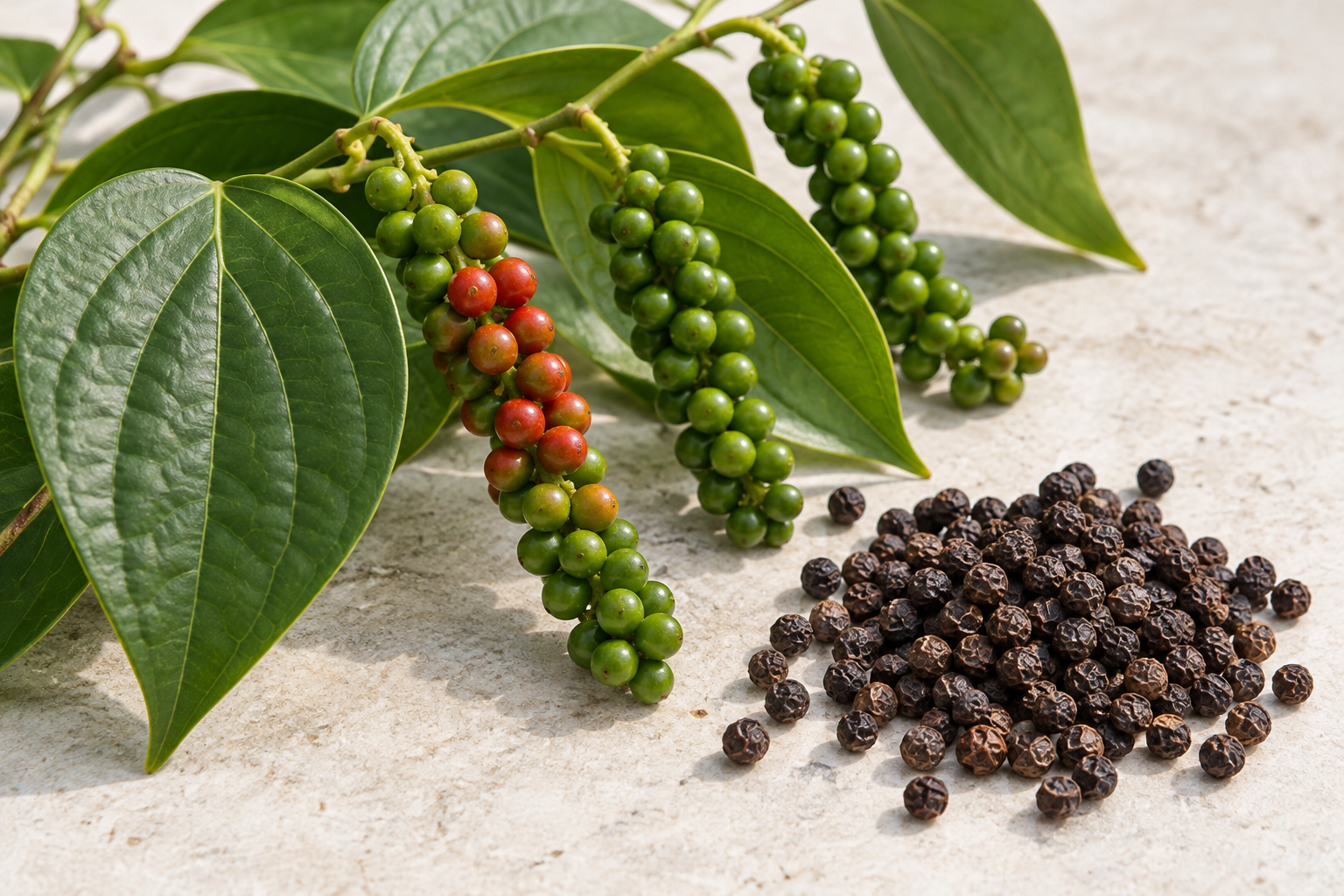
You may know pepper primarily from the kitchen, but in perfumery, it reveals a completely different side. The black pepper plant is a climbing vine native to the Malabar Coast in southwest India. For centuries, it was a highly valued commodity in the maritime spice trade and is now also cultivated in Madagascar, Vietnam, and Indonesia. For black pepper, the fruits are harvested while still unripe and dried until their skin turns black and wrinkled.
In perfumery, the dried fruits are first coarsely crushed and then processed in two main ways. The traditional method is steam distillation: steam passes through the crushed pepper, carrying volatile aromatic compounds, and after cooling, the essential oil is separated from the condensate. The second method is CO₂ extraction. The gas is converted under high pressure into a state where it acts as a solvent, gently extracting the aromatic components at a low temperature. The resulting extract tends to be fuller and warmer, more closely resembling the scent of freshly crushed peppercorns, while the distilled oil feels lighter and fresher.
Why doesn't pepper burn in perfume? The spiciness you know from food is mainly due to piperine – a compound that hardly evaporates, and therefore the nose doesn't detect it in the fragrance. The essential oil mainly contains terpenes, such as caryophyllene, limonene, pinene, and sabinene. Thanks to these, pepper smells dry, fresh, and woody, with a slightly citrusy undertone and a characteristic sparkling, almost effervescent effect. On the skin, it doesn't feel sharp or irritating but rather brings energy and contrast to the composition.
Because its aromatic components evaporate quickly, black pepper is mainly used in top notes, the first phase after applying the perfume. You will most often find it in these types of compositions:
- Fresh Spicy – in combination with bergamot, grapefruit, or ginger, it creates a lively opening and adds a dry, spicy dimension to the citrus.
- Woody – alongside cedar, vetiver, or patchouli, it emphasizes the dryness of the woods and connects the fresh start with a deeper base.
- Aromatic (Fougère) – with lavender, rosemary, and geranium, it gives the classic fern structure a more airy and modern touch.
The peppery spark fades within the first few minutes, but the woody tone of caryophyllene can last into the heart of the fragrance. And if you come across pink pepper in a perfume description alongside black pepper, it refers to the fruit of a different plant – unrelated to black pepper and with a fruitier and gentler scent.
Labdanum – Resin of the Mediterranean Rockrose
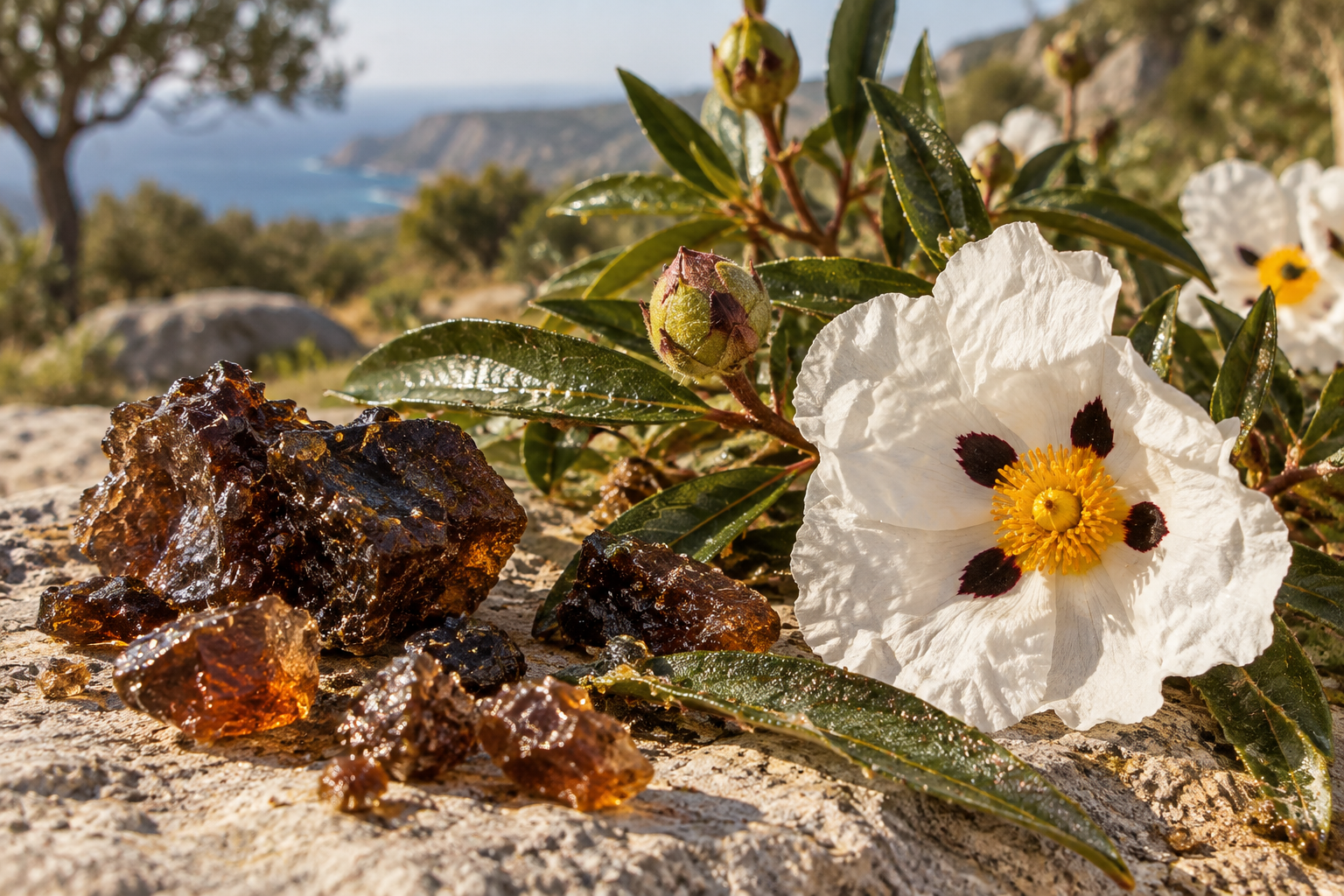
Labdanum is a sticky, dark brown resin secreted by the rockrose (Cistus ladanifer) – a low evergreen shrub with white flowers whose petals resemble crumpled silk paper. Rockroses grow on dry, sunny slopes throughout the Mediterranean, but today Spain is the most important for perfumery, where the majority of the world's production is harvested. In the summer heat, the leaves and young branches are covered with a fragrant sticky coating that helps protect the plant from drying out.
The story of labdanum goes deep into antiquity. Ancient authors described how the resin would catch in the fur and beards of goats grazing among the shrubs. Shepherds would then comb out the matted clumps and separate the substance from them. On Crete, a special tool resembling a whip or rake with several leather straps was used for centuries. Collectors would drag it over the shrubs, the resin would adhere to the straps, and it was then scraped off. This labor-intensive manual method survived on the island in small quantities until recently, but today it is more a reminder of tradition than a source of raw material.
Current production is much less romantic. In Spain, whole branches of the rockrose are harvested and boiled in water, often with the addition of an alkali. The resin is thus released and, after further processing, is separated as raw gum. From this, several perfumery materials are produced:
- resinoid – a thick, dark extract obtained by solvent extraction, a typical material for base notes,
- absolute extract – prepared by further processing the resinoid with alcohol, it is purer, more refined, and blends better with other ingredients,
- cistus essential oil – obtained by steam distillation of the leaves and branches, it has a fresher, more herbal, and slightly spicy scent.
The scent of labdanum is balsamic, warm, and dense. You will find notes of honey, dried fruit, tobacco, and resin, but also a leathery, slightly animalistic undertone that can resemble warm skin or wool. It is this "animal" layer that makes labdanum a plant-based raw material capable of adding sensual depth to a composition without using animal materials. It belongs unequivocally to the base – it develops slowly, lasts long, and helps anchor the more volatile components of the fragrance.
In perfumery, labdanum is the backbone of the so-called amber accord. Beware of confusion: "amber" scent here does not mean one specific raw material, but a warm, sweet, and resinous accord. Its classic base is the combination of labdanum with vanilla, often complemented by benzoin or other balsams. Labdanum brings darkness and depth, vanilla sweetness and roundness. This accord is at the heart of many oriental fragrances.
Labdanum is equally indispensable in the classic chypre structure. It stands on the contrast of a fresh bergamot top and a dark base of oakmoss, patchouli, and labdanum. Labdanum gives the base warmth and velvety fullness, allowing the fresh and mossy components to merge into one whole. Because oakmoss is used today only in limited quantities or in modified forms due to regulations, labdanum carries an even greater share of the work in modern chypre compositions.
If you want to recognize labdanum in a fragrance, look for it in the descriptions of base notes in oriental and chypre perfumes. On the skin, it usually appears after a longer time, when the top notes have faded – and then lasts with a warm, honeyed leathery afterglow for several hours.
Myrrh – the Bitter Resin of Antiquity
Few perfume ingredients carry as much history as myrrh. It is an aromatic resin from shrubs and small trees of the Commiphora genus, which grow in the dry, rocky landscapes of the Horn of Africa and the southern Arabian Peninsula – in areas of present-day Somalia, Ethiopia, Yemen, and Oman. The very name suggests what to expect: it derives from the Semitic root murr, meaning "bitter."
Harvesters cut the bark of the tree, and a light, milky sap slowly oozes from the wounds. In the air, it hardens over several weeks into irregular drops, known as tears, whose color ranges from golden to reddish-brown. Myrrh is not pure resin but a natural mixture of resin, gum, and essential oil, which also affects how it is processed today.
In ancient Egypt, myrrh was one of the most valuable trade commodities. Expeditions to the mythical land of Punt, which historians seek on the coast of the Horn of Africa, brought it along with incense for temples. It was burned as incense, part of the fragrant kyphi mixture, and used in embalming the dead. From Egypt, it reached Greece and Rome, where it scented ointments and oils. It is most firmly etched into European cultural memory as one of the three gifts that, according to the Gospel, the three wise men brought to the newborn Jesus – alongside gold and frankincense.
Today's perfumery uses myrrh in two basic forms:
- Essential oil is obtained by steam distillation. It is lighter and more transparent, capturing primarily the brighter, spicy resinous tones.
- Resinoid is produced by solvent extraction, typically alcohol. It is thicker and darker, preserving the fuller, balsamic, and bitter character of the raw material while also binding other components of the composition well.
The scent of myrrh is bitter, balsamic, and warm, but by no means sweet. Beneath the resinous core lies a smoky undertone, an earthy to slightly mushroom-like hint, and a dry, almost medicinal trace that may evoke old pharmacies or silent church naves. Some may also detect a subtle hint of licorice. Unlike frankincense, it lacks citrus freshness – it is quieter, more introverted, and serious. A related material is opoponax, sometimes called sweet myrrh; it comes from another species of the same genus and smells softer and sweeter.
In compositions, myrrh is mainly used in the base notes, where it lingers long and adds depth to the fragrance. You will find it primarily in these accords:
- Oriental – in combination with vanilla, amber, tonka, or spices, it tempers sweetness and adds a more serious, bitter balsamic dimension.
- Incense – together with olibanum, it creates a temple-like, smoky atmosphere, where myrrh represents a darker and more bitter aspect.
- Leather – with resins, woods, and tobacco tones, it emphasizes the dry, slightly smoky character of leather.
If you want to recognize myrrh in a perfume, pay attention to how the fragrance fades on the skin after a few hours. It is then that its characteristic bitterness emerges from the warm base, giving the entire composition a sense of antiquity and calm.
Category
Recommended articles
Riiffs Freeze in Flames: Ice and Flames Illuminate Warsaw "Give a girl the right shoes and she can conquer the world!" Marilyn Monroe