

 Riiffs Freeze in Flames: Ice and Flames Illuminate Warsaw
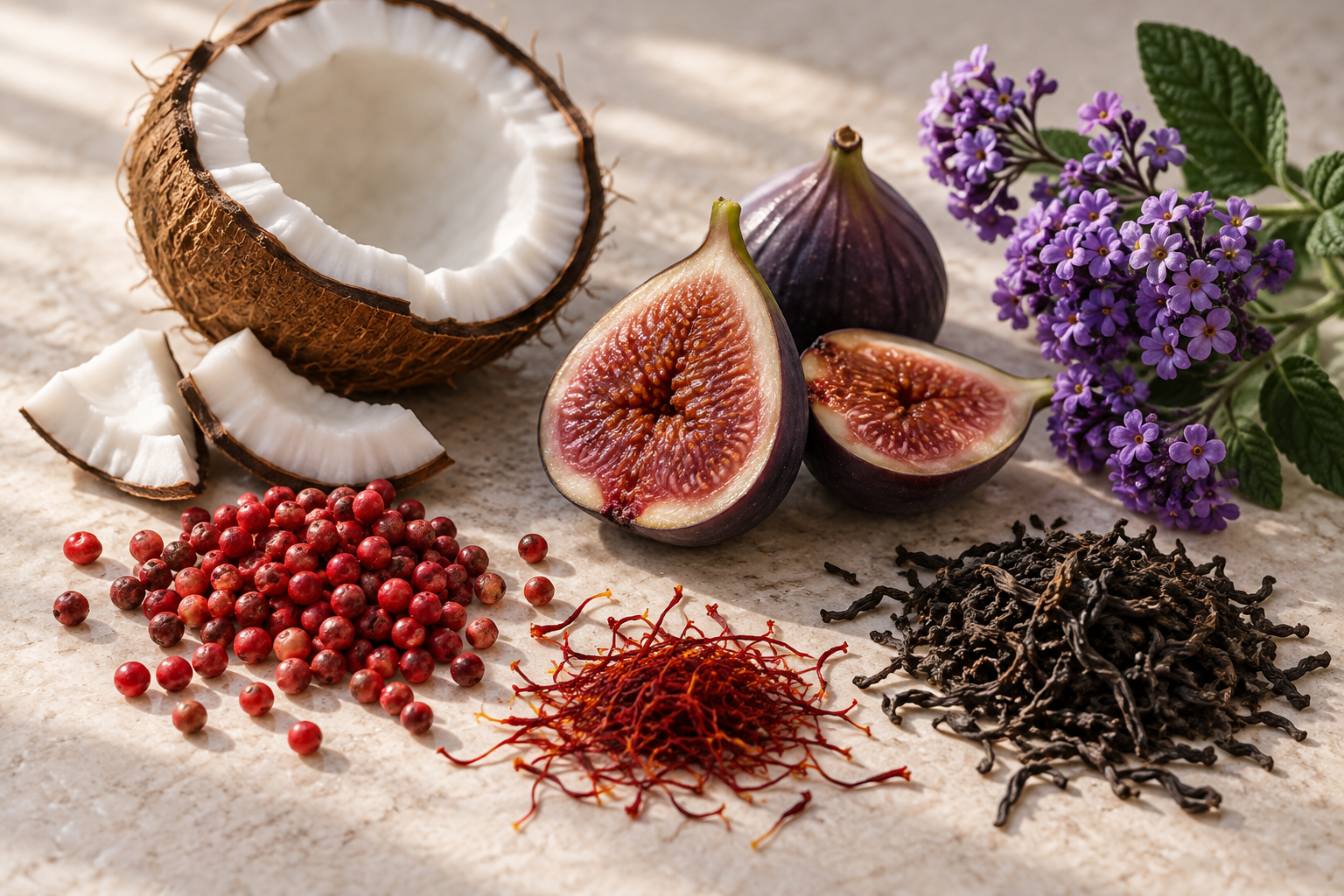
What lies behind the notes in a perfume description? In the 7th part of our encyclopedia, we introduce coconut, pink pepper, fig, saffron, heliotrope, and tea.
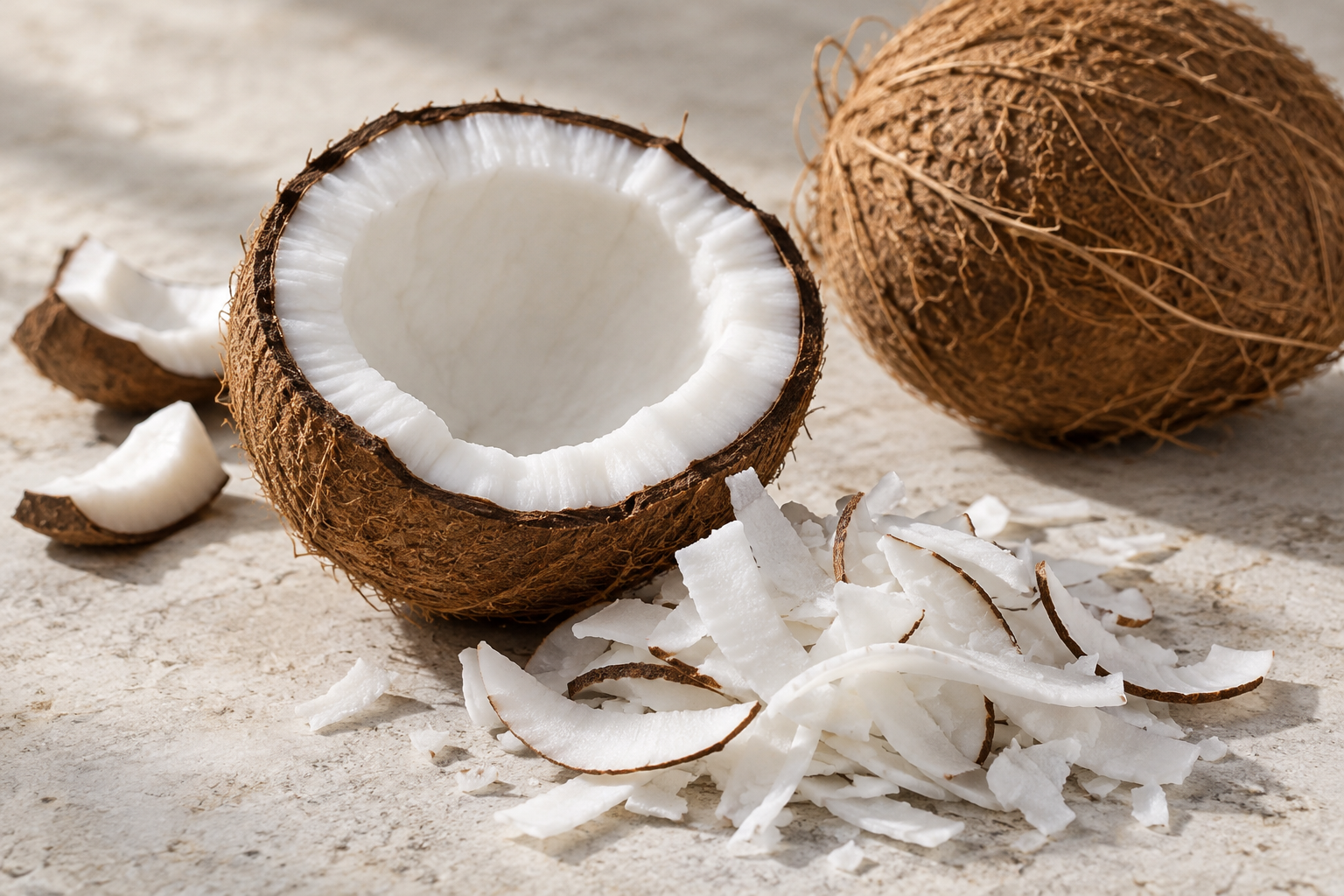
Coconut – Tropical Sweetness with a Creamy Body
Just one whiff and many people picture hot sand, sunshine, and a seaside holiday. Coconut is one of those ingredients in perfumery that almost acts as a shortcut to summer bliss. However, its story is longer and more intriguing than the scent of sunscreen might suggest.
The coconut palm grows on the tropical shores of the Indian and Pacific Oceans. Its fruits can withstand prolonged exposure to saltwater, allowing them to spread along the coastlines naturally. Humans also played a significant role: for thousands of years, coconuts served as a food and liquid supply on long voyages. Thus, the palm reached many islands and coasts in the tropical belt, where it remains a common part of cuisine, crafts, and everyday life.
You might be surprised to learn that coconut oil itself has a relatively mild scent. The distinct, sweet creamy aroma we associate with coconut cannot be extracted in sufficient strength from the fruit alone. Perfumers usually create the coconut note by blending – primarily using what are known as lactones. These are a group of fragrant molecules that naturally occur in small amounts in various fruits and dairy products, carrying a milky, creamy to peachy character. By skillfully combining lactones with other ingredients, a chord is created that resembles coconut more faithfully than the natural raw material itself.
The resulting note is often described as:
- creamy and milky – smooth, rounded, without sharp edges,
- sweet – but not sugary, more like gently nutty,
- suntan – with the warm impression of sun-kissed skin.
The association of coconut with a beach atmosphere has practical origins. Coconut oil and coconut scents have long appeared in sun care products, and the scent has thus become linked in many people's minds with summer and holidays. Perfumery loves to use this association in compositions meant to evoke sun, sea, and relaxation. Coconut also fits well within the gourmand family, among scents inspired by sweets and desserts. It adds softness to the composition and a sense of something rich, almost edible.
In perfume descriptions, you'll most often find coconut in the middle section (heart) or in the base notes. Due to its creamy character, it doesn't act as a fleeting top note but rather as a warm layer that lingers on the skin. It's often accompanied by vanilla, tonka bean, or sandalwood, creating a soft and sweet foundation. Equally common is its pairing with tropical flowers like tiare, frangipani, or ylang-ylang – coconut softens their rich floral scent and adds a beachy touch. So, if you come across a combination of coconut with vanilla and white flowers, you can expect a warm, sunny, and sensual fragrance.
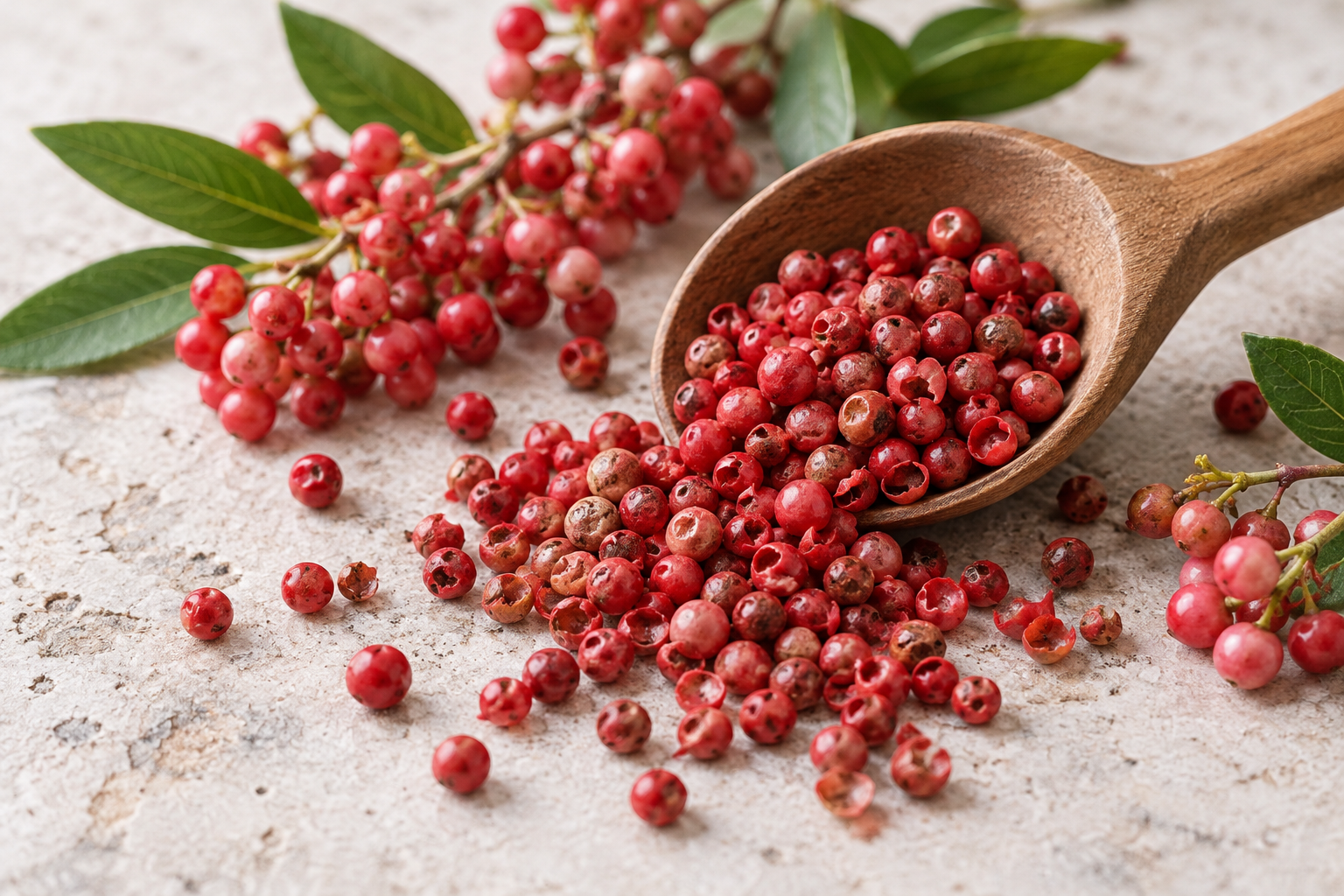
Pink Pepper – The Spark That's Not Really Pepper
The name is misleading at first glance. The small pink berries you know from pepper blends have little in common with true pepper. They don't come from the pepper plant but from the Brazilian pepper tree – an evergreen tree native to South America. Botanically, they belong to a completely different family than black pepper and got their name mainly due to the shape of the fruits and their mildly spicy taste. Today, the Brazilian pepper tree is also cultivated in other warm regions of the world, where it thrives in the sun and mild winters.
How the Fruits Become a Perfume Ingredient
For perfumery, dried fruits are used. Most commonly, essential oil is obtained from them through steam distillation, capturing the fresh and volatile aspect of the raw material. Another method is extraction using carbon dioxide, resulting in an extract with a fuller and slightly warmer profile, closer to the scent of freshly crushed berries. Perfumers choose between the two forms depending on whether they want to emphasize the sparkle or the depth.
What Pink Pepper Smells Like
The scent of pink pepper is freshly spicy but without the sharpness associated with black pepper. Typically, these layers can be distinguished:
- spicy freshness – a gentle tickle that instantly awakens the composition,
- citrus note – reminiscent of lemon or grapefruit peel,
- pink fruity hint – slightly floral, at times even berry-like,
- resinous finish – a gently balsamic ending that anchors the freshness.
This combination of freshness and a warm undertone makes it a very adaptable ingredient that pairs well with citrus, rose, and woody notes.
From Culinary Curiosity to Top Note
For a long time, pink pepper was known mainly as a colorful spice and a kitchen curiosity. However, in recent decades, it has also been embraced by perfumers and today is a frequently used top note. It is used in women's, men's, and unisex compositions – in floral fragrances, it adds a fresh contrast to rose, while in woody and oriental ones, it provides an unexpected flash of light. As a top note, it is primarily perceived in the first few minutes after application. At the very beginning, it adds a sparkle to the composition, which then gradually gives way to the heart and base of the fragrance.
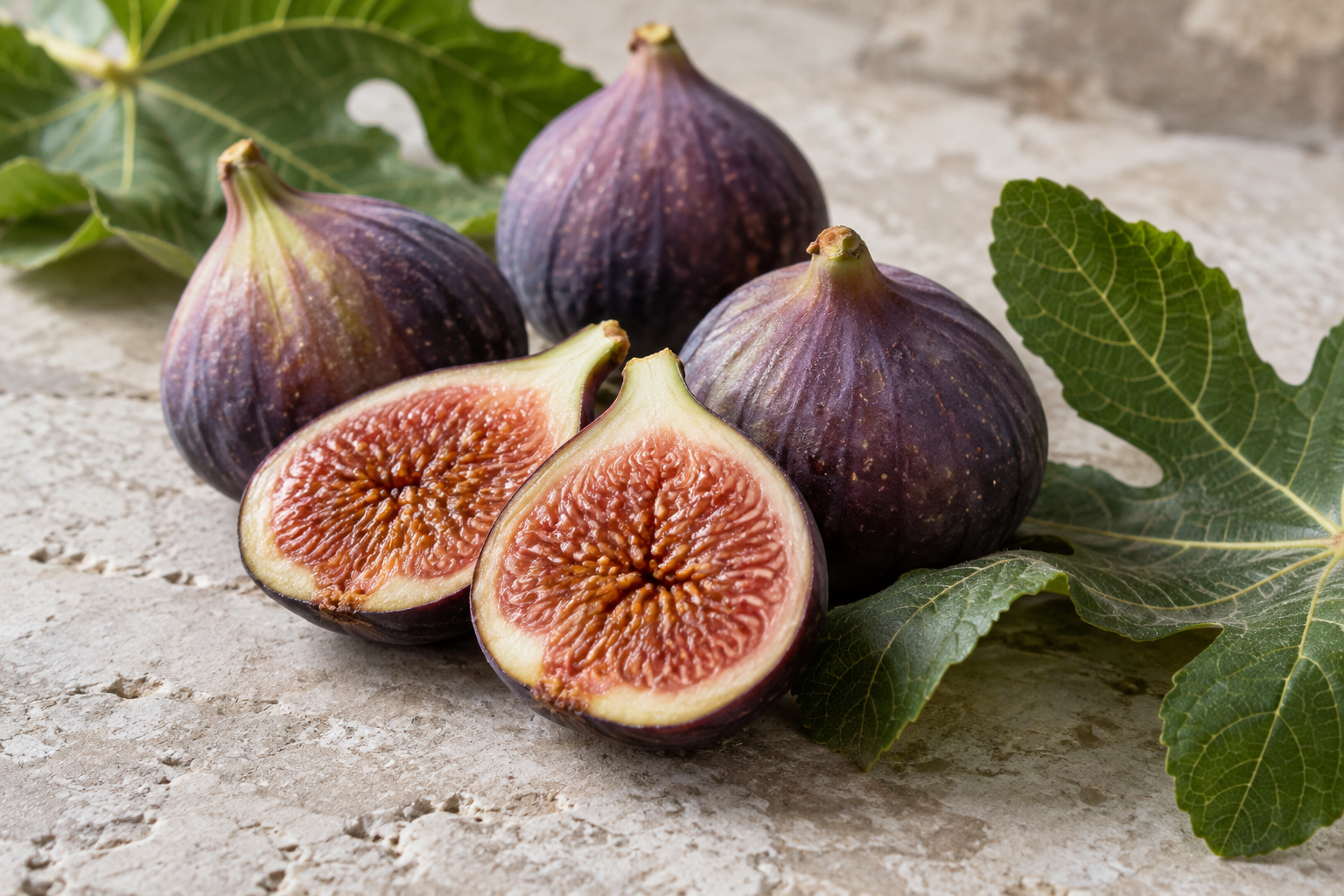
Fig – milky pulp, green leaves, Mediterranean summer
The fig tree is one of the oldest trees cultivated by humans. Its home is in the region of Asia Minor and the eastern Mediterranean, from where it spread to the entire warm belt around the Mediterranean Sea. Anyone who has stood under the sprawling canopy of a fig tree in summer knows its distinctive scent – green, slightly bitter, with a milky undertone and a sweet breath of ripening fruit. This is the atmosphere that perfumers strive to capture.
A tree of myths and symbols
The fig has accompanied human culture since ancient times. In the ancient world, it was associated with fertility, abundance, and divine favor. Roman tradition tells of a fig tree under which a she-wolf found and nursed Romulus and Remus, thus placing the tree directly in the founding myth of Rome. In the Old Testament, the fig leaf appears in the story of Adam and Eve, who used it to cover their nakedness after tasting the forbidden fruit. The fig repeatedly returns in texts and art as a sign of harvest, peace, and home.
How the fig makes it into the bottle
Natural extracts from the fig tree are rare in perfumery. Although a fragrant substance can be obtained from the leaves, its yield is low and its use is limited, so you will encounter it rather exceptionally. The sweet pulp of the fruit is practically unsuitable for producing a fragrant essence. Perfumers therefore usually compose the fig note as a chord – a combination of several natural and synthetic components that together mimic the different facets of the tree:
- green leaves – fresh, slightly bitter to grassy trace,
- milky sap of the branches – creamy, slightly sticky impression,
- ripe pulp – soft fruity sweetness with a hint of honey,
- wood – dry, slightly sweet base.
Depending on which component the perfumer emphasizes, the fig can seem almost like a freshly picked leaf, or conversely, like velvety, sun-warmed fruit.
Green milky style
Although people have known figs for thousands of years, it only became a prominent perfume ingredient relatively recently. In the late 20th century, around the 1990s, compositions built directly on the fig chord appeared, opening up a new, green milky style in perfumery. These were scents that did not rely on flowers or heavy bases, but on the feeling of a summer garden, shade, and warm air. This style has since become part of the perfumer's palette, and today, fig appears in women's, men's, and unisex compositions.
Place in the pyramid
The fig note is most commonly used in the top and middle notes. The green, leafy aspect is often noticeable immediately upon application, adding freshness and sparkle to the fragrance. The milky and fruity facet then develops in the heart, where fig blends well with citrus, green herbs, creamy tones, and woody components, such as cedar. In the base notes, fig appears less frequently on its own, but its creamy imprint can linger in the background for a long time.
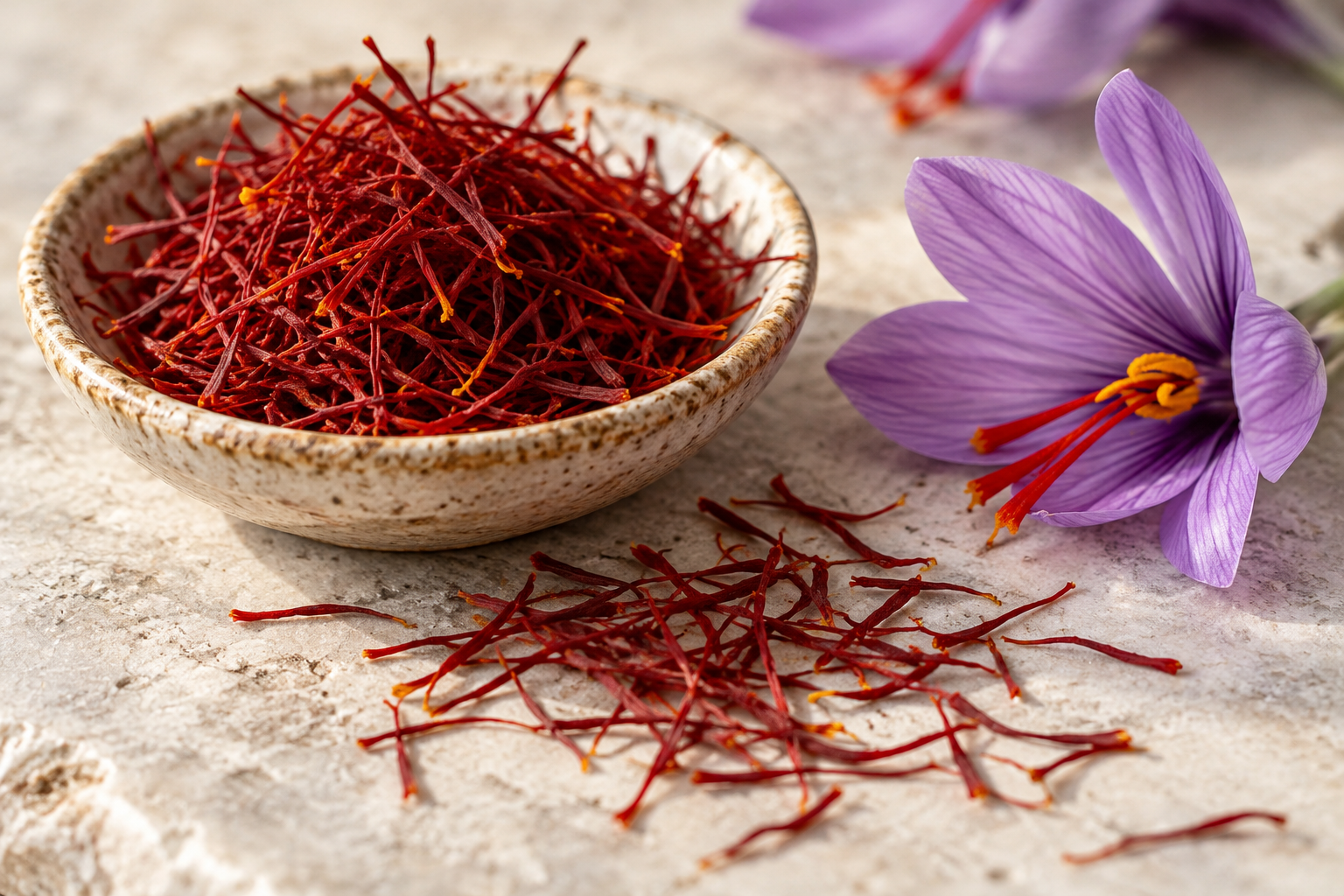
Saffron – A Rare Spice with a Leather Undertone
Saffron is harvested from the stigmas of the saffron crocus, a small autumn plant from the iris family. Each flower bears only three thin red stigmas, which are still mostly picked by hand, usually early in the morning before the flowers fully open. Most saffron comes from Iran, but it is also grown in Spain, India, Greece, and other regions with dry and sunny climates. After harvesting, the stigmas are gently dried – this is when their distinctive aroma and rich color fully develop.
To produce just one kilogram of dried spice, over a hundred thousand flowers need to be harvested. The work is laborious and the yield is small, which is why saffron has always been considered a rare spice, and its natural extracts are among the most expensive ingredients in perfumery. Perfumers often complement them with synthetic molecules that faithfully mimic the saffron character while ensuring consistent quality. This allows the saffron accord to appear in compositions where a pure natural extract would not be available in the required quantity.
The scent of saffron is warm and layered. If you smell it for the first time, you might be surprised at how little it resembles a kitchen spice. In perfumery, it is primarily described by the following nuances:
- leather tone – a dry, slightly animalistic impression, making saffron a natural partner for leather accords,
- honey sweetness – a gentle, unobtrusive sweetness without gourmand heaviness,
- hay note – reminiscent of sun-warmed dried grass,
- metallic sheen – a cool, almost mineral glint that adds contrast and brightness to the composition.
Saffron has accompanied humanity for millennia. In Persian culture, it was used for dyeing fabrics, in cooking, and in ceremonies, and it remains inextricably linked with Iran. The ancient Greeks knew it as a dye and fragrant additive, and saffron yellow was a prized color. According to historical sources, the Romans added it to scented ointments and used it to fragrance baths and ceremonial halls during festivities.
In oriental perfumery, saffron holds a firm place. It is primarily used in middle and base notes, often paired with oud, rose, and leather. Oud softens it and adds a warm glow, rose lends it a spicy depth, and leather accords are enhanced by its dry, slightly animalistic aspect. The trio of saffron, rose, and oud is a classic combination in Arabic perfumery and has gradually found its way into Western compositions. Even a small amount of saffron is enough to give a fragrance a velvety, warm, and simultaneously noble character.
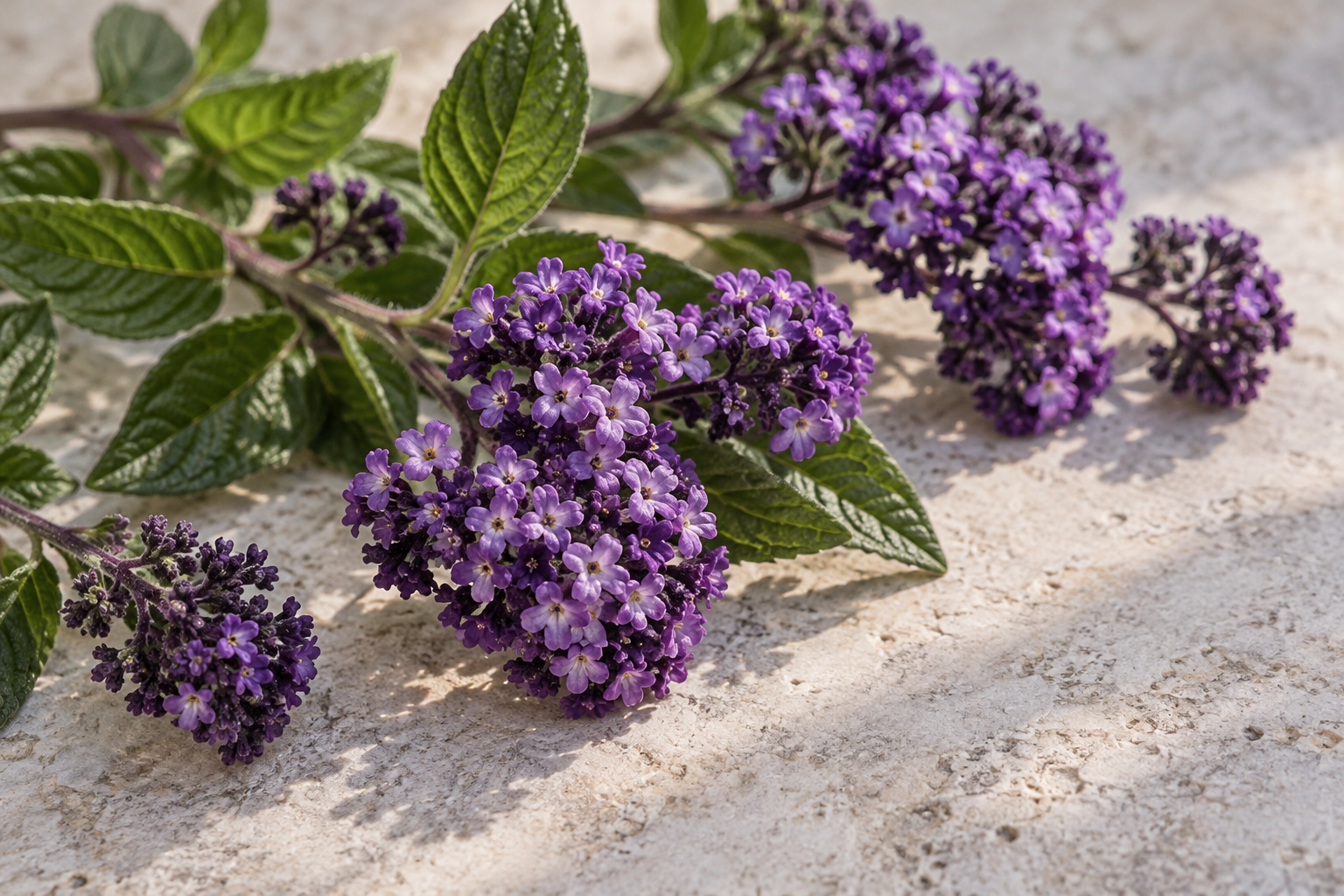
Heliotrope – a powdery flower reminiscent of almonds and vanilla
Heliotrope is a low shrub with small purple to bluish-purple flowers that grow in dense clusters. Its native home is the Peruvian Andes, from where it made its way to European botanical gardens in the 18th century, and later to castle and city flower beds. Those who catch a whiff of its blossoms on a warm day will recognize a sweet, slightly powdery scent that many associate with almond pastries or vanilla cream.
The name of the plant derives from Greek – helios means sun and tropein means to turn. It refers to the old observation that the flowers and leaves turn towards the sunlight. In the Victorian language of flowers, heliotrope was associated with devotion and passionate affection.
Although the flower has a strong scent, it is very difficult to extract its fragrance from the plant. Common processing methods yield little and do not faithfully capture the impression of living flowers, which is why natural heliotrope material is rarely found in perfumery. A solution came from 19th-century chemistry: a molecule called heliotropin, chemically known as piperonal, which smells remarkably similar to blooming heliotrope. Since the late 19th century, it has become a staple in the perfumer's palette and remains the main carrier of the heliotrope accord. Perfumers usually complement it with other ingredients – vanilla, almond, or powdery notes – to create a fuller impression that more closely resembles the real flower.
So, what does heliotrope smell like? Descriptions most often agree on several characteristics:
- Powdery – a soft, velvety impression that evokes cosmetic powder or old dressing tables for many.
- Almond and marzipan – a sweet, slightly nutty tone reminiscent of confectionery ingredients.
- Vanilla – a warm, creamy sweetness that rounds out the fragrance.
- Floral hint – subtle and rather muted, without the sharpness of jasmine or tuberose.
The popularity of heliotrope peaked at the turn of the 19th and 20th centuries, during the belle époque. The availability of heliotropin then allowed its soft, sweet fragrance to appear in many perfumes and toiletries, such as powders and soaps. It is from this era that the association of heliotrope with a sense of elegance, tenderness, and a touch of nostalgia originates, which many people still feel today.
In today's compositions, heliotrope most often appears in the middle notes. In powdery fragrances, it brings a velvety softness, while in gourmand compositions, it connects the floral part with vanilla, tonka beans, or caramel tones. It blends well with iris, violet, musk, and delicate woody bases. If you find heliotrope in a perfume description, you can expect a warm and soothing scent rather than a fresh or sharp one – it usually fully reveals itself only after a few minutes on the skin, once the top notes have faded.
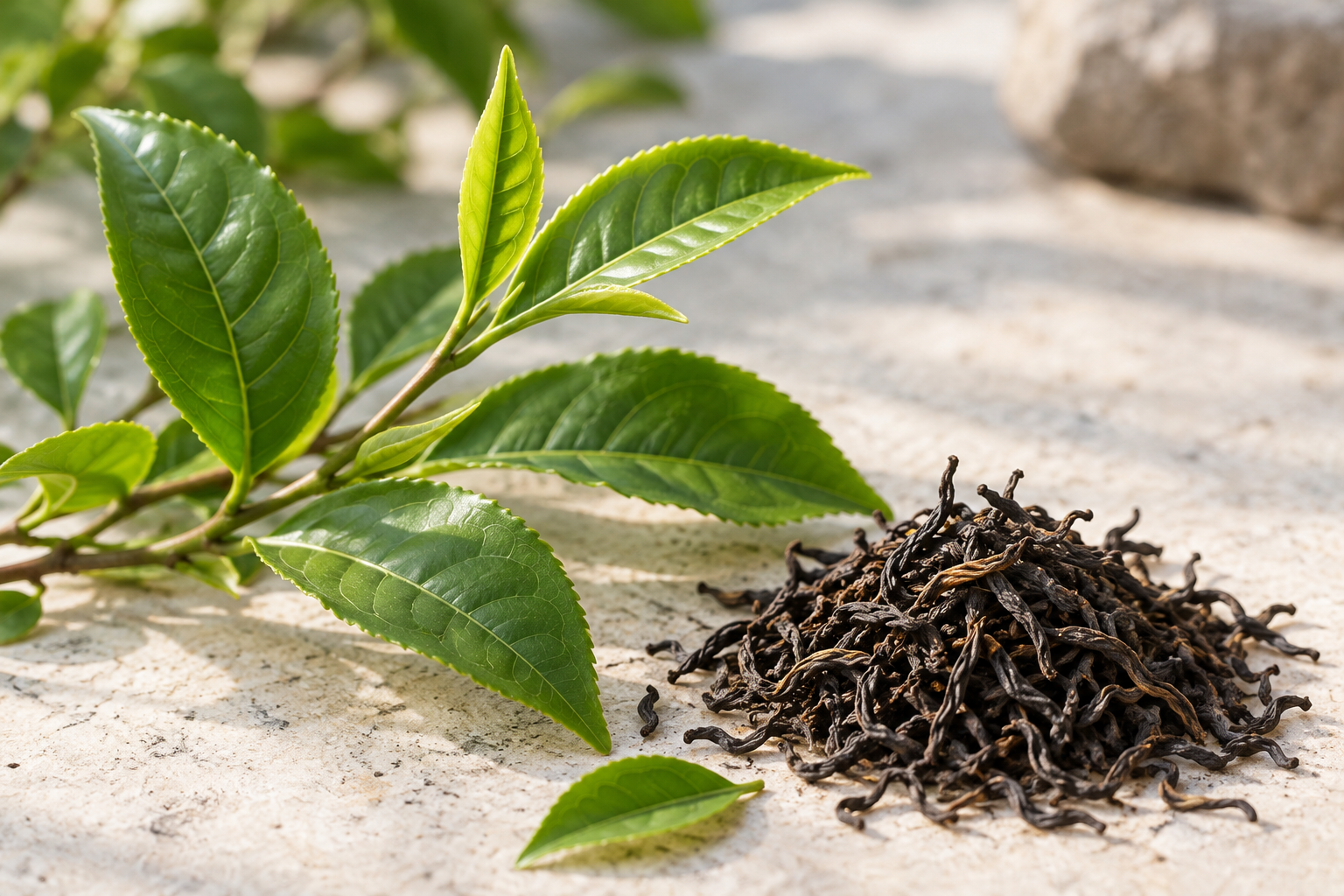
Tea – From Green Leaf to Smoky Lapsang
The Chinese tea plant (Camellia sinensis) is an evergreen shrub, believed by most botanists to originate from the southwestern regions of China. From there, tea spread over centuries through trade and pilgrimage routes – it was brought to Japan by Buddhist monks according to tradition, reached Europe via early modern maritime trade, and its large-scale cultivation in India developed in the 19th century. From a single plant, a wide range of flavors and aromas emerged, mainly differing by the method of leaf processing.
Tea Ceremonies
Few beverages are surrounded by as many rituals. The Japanese tea ceremony is centered around green powdered tea, silence, and attention to detail, while the Chinese tradition of gongfu cha emphasizes repeated short infusions, during which the aroma of the leaves gradually transforms. The European afternoon tea moment is mainly associated with black tea. All these customs share the commonality that the aroma of tea is as important as its taste – and it is this fleeting atmosphere that perfumers strive to capture.
Absolute or Accord?
Tea absolutes and leaf extracts do exist, but they are relatively rare, and their scent tends to be dark, dried, and tobacco-like. Therefore, most tea notes are composed by perfumers as accords from multiple ingredients and molecules. This allows them to capture the differences between various types of tea:
- green tea – fresh, slightly grassy and watery, with a gentle bitterness,
- white tea – the most delicate, airy, almost floral and powdery,
- black tea – velvety, rounder, with notes of dried fruit, honey, and tobacco,
- lapsang souchong – tea dried over pine wood smoke, with a scent reminiscent of campfire, resin, and smoked wood.
The Wave of Transparent Fragrances
In the 1990s, green tea became one of the symbols of a new approach to perfumery. After the bold and dense compositions of the previous decade, there was a desire for purity, lightness, and transparency. Tea accords, often complemented by citrus and airy floral molecules, paved the way for so-called transparent fragrances, which are subtle yet distinctive. This style has remained in perfumery to this day.
How Tea Works in the Pyramid
The tea note is remarkably versatile. In the top notes, it refreshes and adds a green sparkle to the composition, often in combination with bergamot or lemon. In the middle notes, it softens the floral heart and connects it with musk and light woods. In the base notes, black and smoky tea are more prominent, adding depth, dried sweetness, or a leathery and woody undertone. Whether you're drawn to the calm freshness of the green leaf or the mysterious smoke of lapsang, tea can tell a story of slow time and focus in a perfume.
Category
Recommended articles
Riiffs Freeze in Flames: Ice and Flames Illuminate Warsaw "Give a girl the right shoes and she can conquer the world!" Marilyn Monroe
