


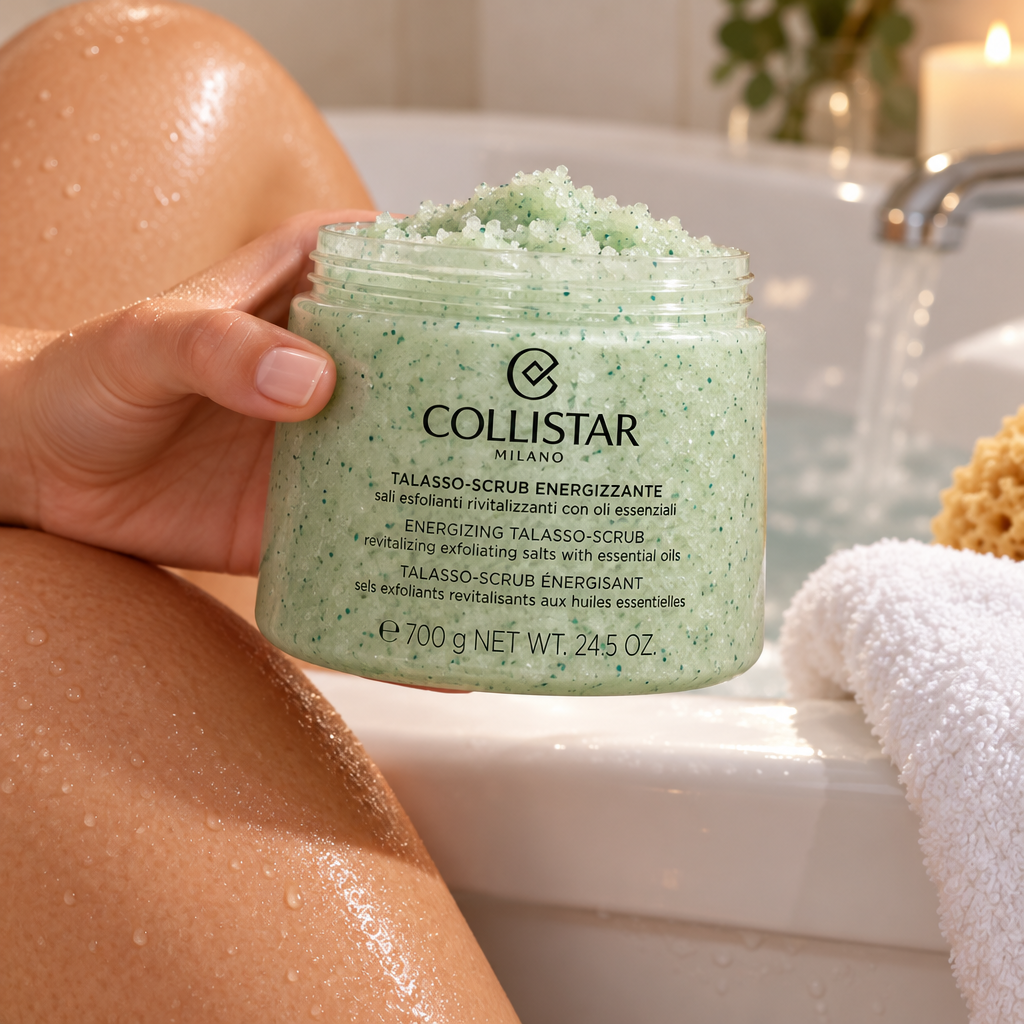

The more you scrub, the smoother your skin? We debunk the most common myths about body scrubs and recommend which product from Brasty's range suits your skin type.
Smooth Skin Without Irritation – Why We Misunderstand Peeling So Much
Whether you reach for a peel regularly every week or just before a holiday to get your skin ready for swimsuits and summer dresses, you probably expect one thing from it: a smooth and soft surface that absorbs cream well and feels velvety to the touch. Yet, after exfoliation, many people instead deal with redness, burning, or uncomfortable tightness. The culprit is usually not the product itself, but the misconceptions about how peeling should work – and surprisingly, there are many circulating about body care.
Before we get to them, it's worth clarifying what actually happens to the skin during peeling. The surface layer of the skin naturally renews itself, and dead cells gradually flake off. Sometimes, however, they accumulate – typically on elbows, knees, heels, or thighs – and the skin then feels rough and dull. Peeling simply speeds up this natural process. There are two basic methods to achieve this.
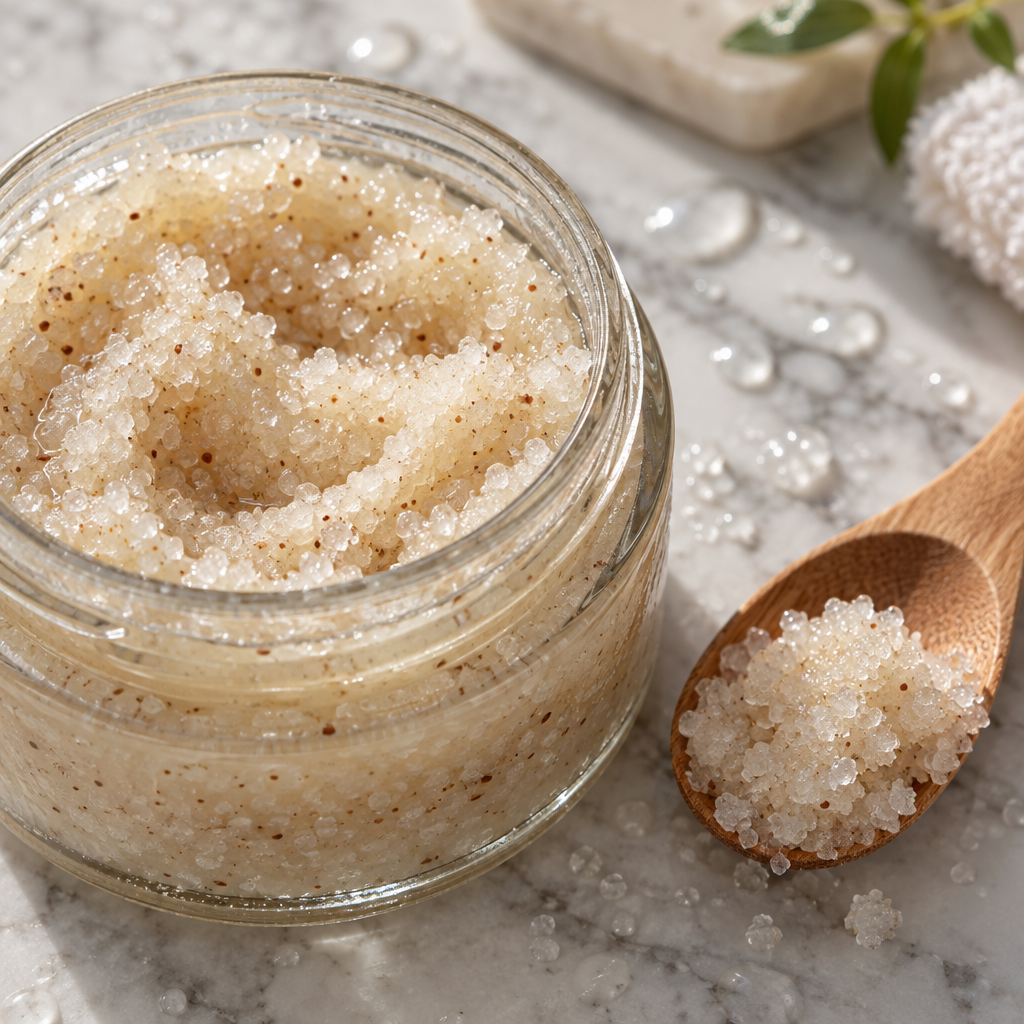
- Mechanical peeling uses small particles – sugar, salt, ground seeds, or fine grains in a gel or cream. During massage, it literally scrubs dead cells off the skin's surface. You feel the result immediately, but this is why it's easy to overdo it: overly coarse grains or strong pressure can mechanically irritate the skin.
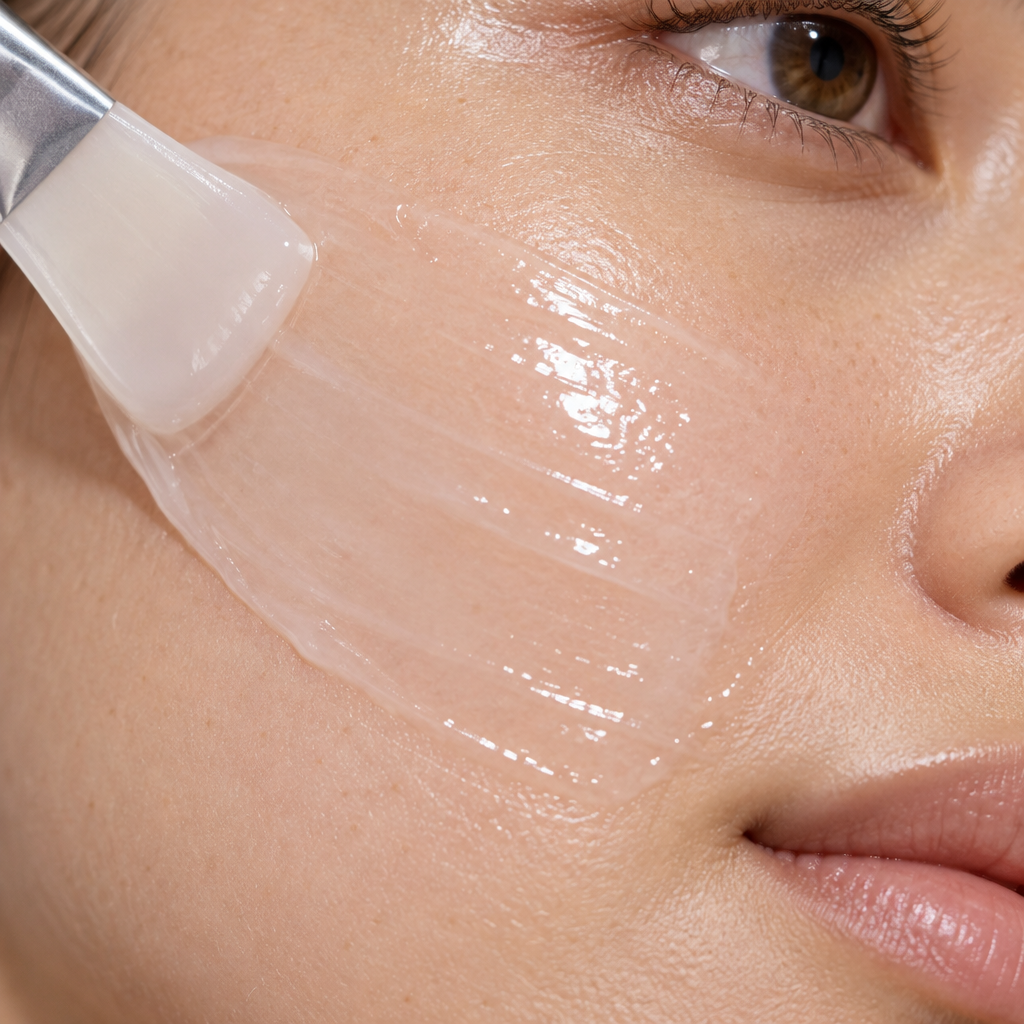
- Chemical peeling uses acids instead of grains, most commonly lactic, glycolic, or salicylic acid. These loosen the bonds between dead cells, allowing them to release without scrubbing. It works more gradually and evenly, but it can still irritate sensitive skin if used carelessly.
Whichever method you choose, they have one thing in common: they remove part of the surface layer that protects the skin from water loss. Therefore, after peeling, the skin is temporarily more vulnerable, dries out faster, and is less resistant to external influences. Achieving a smooth result depends not only on the scrub itself but equally on what follows.
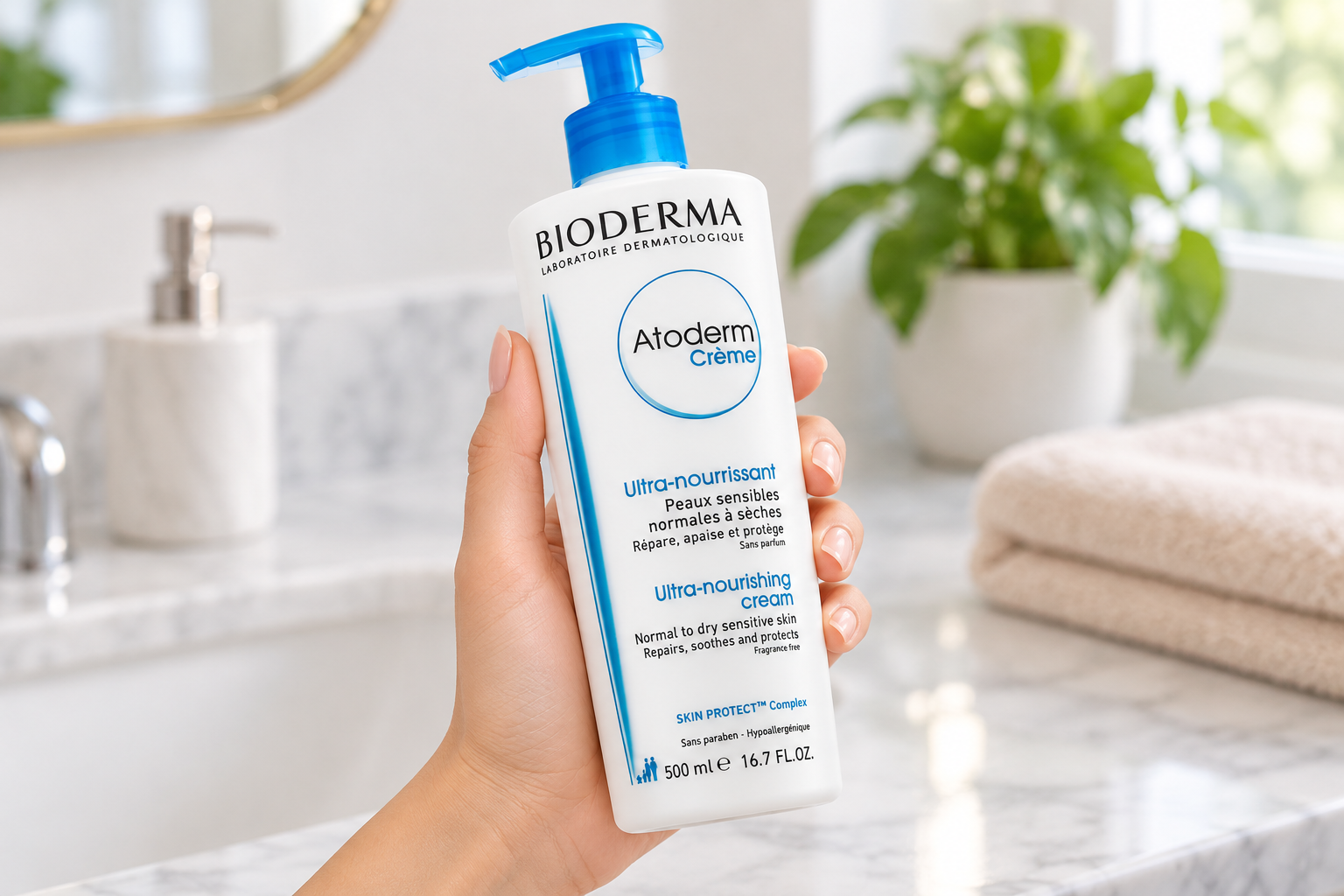
Subsequent hydration is not a bonus but the second half of the entire procedure. After showering and gently patting dry with a towel, it's a good time to apply body balm or cream while the skin is still slightly damp. Richer textures work well here, softening the skin and helping it retain moisture – for example, body balms from the Bioderma Atoderm range. For very dry skin, the nourishing Atoderm Intensive Baume is recommended, similarly rich is Atoderm PP Baume, and for daily care of dry skin, the slightly lighter Atoderm Crème Ultra-Nourishing is suitable.
Between the effort for smooth skin and irritation often stand just a few ingrained misconceptions. In the article, we will gradually analyze the four most common ones:
- that the more and longer you scrub, the smoother your skin will be,
- that one coarse grain suits every skin without distinction,
- that timing in relation to shaving doesn't matter and peeling can easily follow right after,
- and that acids and scrubs can be combined without concern.
For each of them, we will explain why they don't hold up and advise you on what works better.
Myth: The more you scrub, the smoother your skin
The idea that a good scrub will remove all roughness at once is tempting. However, skin works differently. Its outer layer is not just "extra dirt" to be scraped off – dead cells along with skin lipids form a protective barrier that keeps moisture in and irritants out. The purpose of mechanical exfoliation is to release only those cells that are already shedding. When you press hard on your skin, scrub in one spot for several minutes, or use a scrub every day, you strip away what should be left intact. The result is often dry, tight, and irritated skin that feels rougher than before.
How often and how intensely. For most people, exfoliating the body once or twice a week is sufficient. Between exfoliations, the skin needs time to renew itself, so regularity is more beneficial than intensity. One gentle exfoliation a week does more good than three intense scrubs that leave the skin needing days to recover.
You can tell you're overdoing it with exfoliation by several signs:
- skin feels tight and burns even after applying a regular body lotion,
- redness appears that doesn't fade even after several hours,
- skin starts peeling or appears shiny and thinned,
- rough spots worsen instead of softening and become itchy.
In such cases, skip exfoliation for one to two weeks and focus only on gentle cleansing and hydration.
Technique: slow, circular, and without pressure. You can try gentle mechanical exfoliation with the Dermacol Aroma Moment Body Scrub Vanilla Bourbon, which fills your bathroom with the scent of vanilla:
- First, moisten your skin with warm, not hot, water. On damp skin, the scrub glides and the particles move over it instead of scratching.
- Take a small amount and spread it with your palms, without a washcloth or brush, which would intensify the mechanical effect.
- Massage in small circular motions with only light pressure – as if you were applying body lotion. About half a minute is enough for each area.
- Pay more attention to areas that tend to be rougher, such as elbows, knees, or heels. Gently go over more delicate areas.
- Rinse the scrub thoroughly and pat your skin dry with a towel, rather than rubbing.
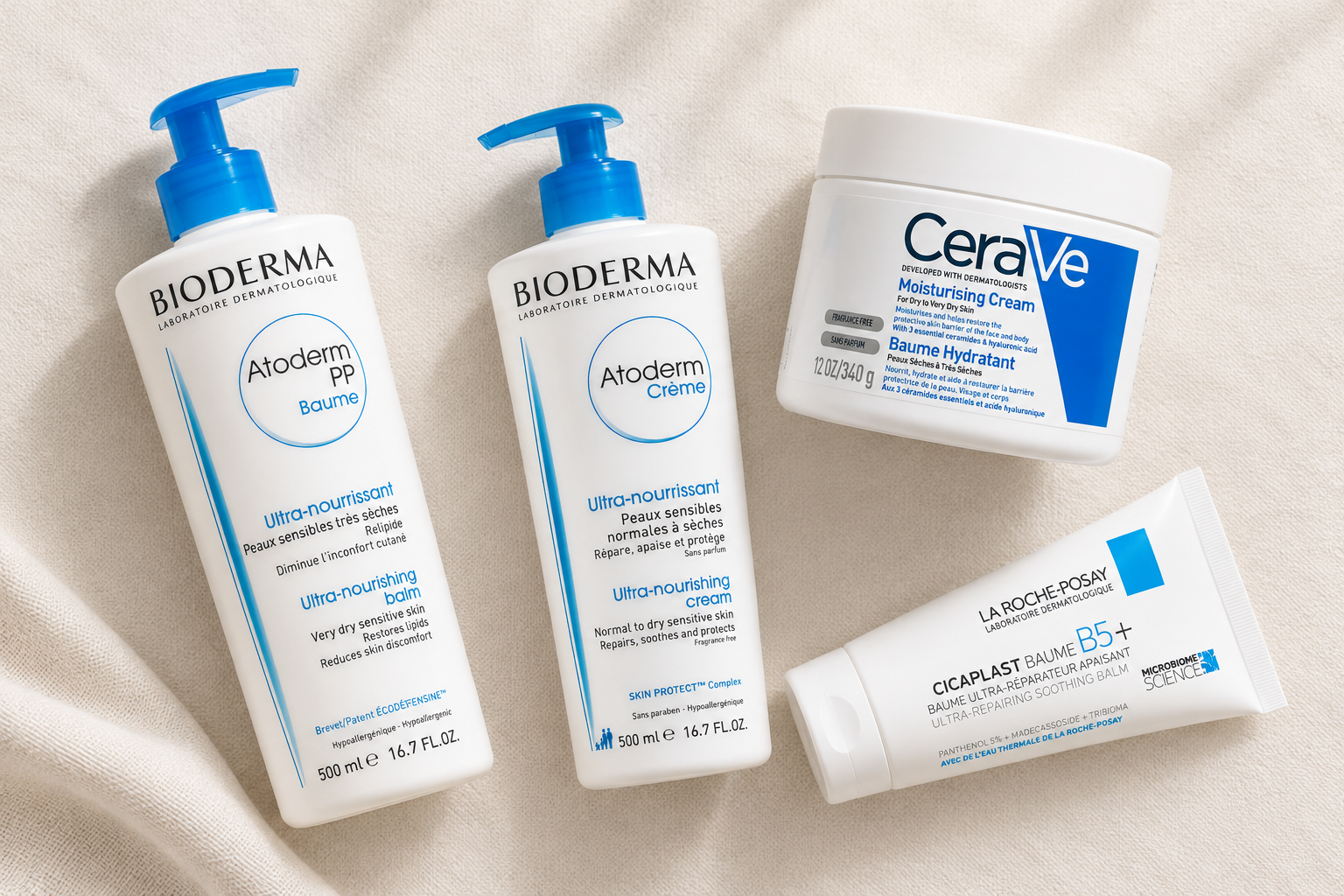
After exfoliation, it's time to restore the barrier. Freshly exfoliated skin is more sensitive and loses moisture faster, so it's best to treat it with nourishing care immediately after drying, while it's still slightly damp. If your skin is rather dry and feels tight after exfoliation, a rich balm like Bioderma Atoderm Intensive Baume, designed for very dry skin, might suit you. Those who prefer a creamy texture that spreads easily over large areas can opt for CeraVe Moisturising Cream with ceramides – lipids that are a natural part of the skin barrier. Both options are suitable for the days between exfoliations. The smoothness of your skin depends not only on what you remove but also on how well you treat it afterward.
Myth: One coarse grain suits every skin type
A coarse body scrub seems like a universal solution: a few circular motions and your skin is smooth. However, skin isn't the same all over the body, and it certainly isn't the same for everyone. What works on hardened elbows might cause burning, redness, and an unpleasant tight feeling on sensitive skin or skin prone to atopy. Before reaching for a scrub, it's worth finding out what type of skin you have.
Sensitive, dry, and atopic skin needs calm above all. Its protective barrier is often weakened, so sharp grains are more likely to disrupt it than help. A typical sign is that your skin itches, tightens, or flakes after a shower, even without any exfoliation. In such cases, it's more sensible to focus on gentle cleansing and regular moisturizing. Skin that has enough lipids and moisture appears smoother on its own – without scrubbing.
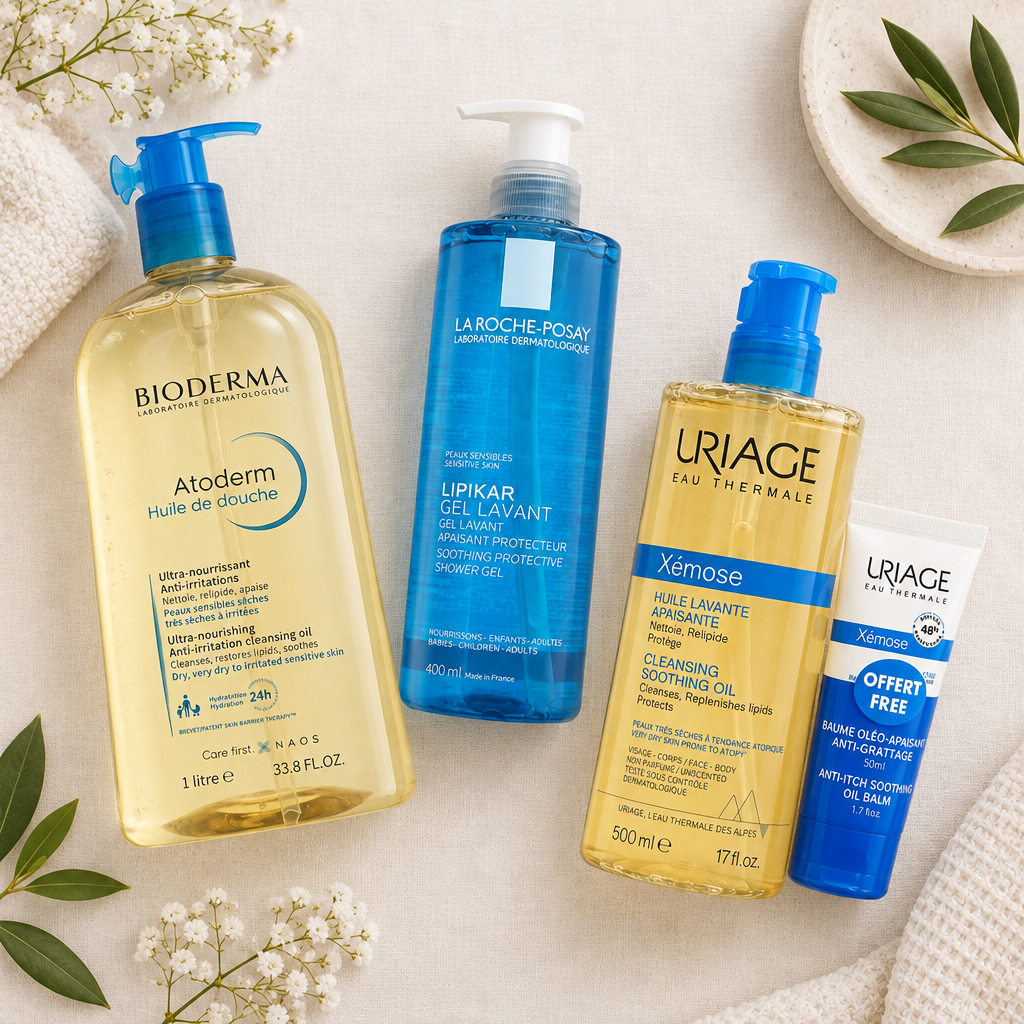
For this skin type, use products in the shower that don't dry it out:
- Bioderma Atoderm Huile de Douche – a shower oil that gently foams upon contact with water and doesn't leave the skin dry after washing. It's intended for dry to very dry and sensitive skin.
- La Roche-Posay Lipikar Gel Lavant – a gentle cleansing gel for daily washing of dry and sensitive skin, including skin prone to atopy.
- Uriage Xémose – a range for very dry skin prone to atopy. The soothing cleansing oil from this range is also available in combination with an anti-itch oil balm.
After showering, gently pat your skin dry with a towel and apply body balm or cream while it's still slightly damp – for example, Bioderma Atoderm Intensive Baume. If you still wish to exfoliate, choose the gentlest approach possible and carefully observe how your skin reacts. Scrubs should not be used on irritated, red, or eczema-affected skin; if problems persist, it's worth consulting a dermatologist.
Normal skin with rough areas is a different case. The skin on most of the body is fine, but elbows, knees, heels, or the back of the arms tend to be rougher and drier. Here, a more intense scrub makes sense – just don't use it all over. Grains will mechanically smooth the thickened layer where it actually forms, while the rest of the body can be washed with a regular shower gel.
From Brasty's selection, Dermacol Aroma Moment Body Scrub Vanilla Bourbon with a vanilla scent is suitable for this purpose. Apply a small amount to damp skin, focus only on hardened areas, and rinse. Leave other parts alone – even normal skin on the stomach, chest, or inner arms is more delicate than it seems at first glance.
Many people don't fit into just one group. You might have generally sensitive skin and still deal with rough elbows. In that case, it makes sense to divide your care: a gentle cleansing oil or gel for the whole body, a small amount of scrub for hardened areas, and then thorough moisturizing. The key isn't how coarse the grain is, but where and how you use it.

Timing Myths: Exfoliating After Shaving, Acids with Scrubs
Even a well-chosen exfoliant can irritate the skin if used at the wrong time. Two common mistakes often occur in bathrooms – exfoliating freshly shaved skin and combining body care with acids and mechanical exfoliation on the same day. Both usually result in burning, redness, or small bumps, which can easily be mistakenly attributed to the product itself.
Myth: After shaving is the perfect time to exfoliate
Shaving itself acts as a gentle exfoliation – the razor removes not only hair but also some surface cells. If you immediately reach for a scrub afterwards, you burden the skin again within minutes. Tiny abrasions that aren't visible after shaving start to sting when they come into contact with grains or acids, and the skin reacts more sensitively than usual.
It's better to reverse the order: exfoliate a day or two before shaving. Exfoliation removes dead cells, allowing the razor to glide more smoothly and reducing the chance of ingrown hairs. On the day of shaving, a warm shower is enough to soften the skin and hair.
During shaving, it's beneficial to provide the skin with a layer that allows the blade to glide easily. Soap or shower gel usually doesn't suffice – a product specifically designed for shaving works better:
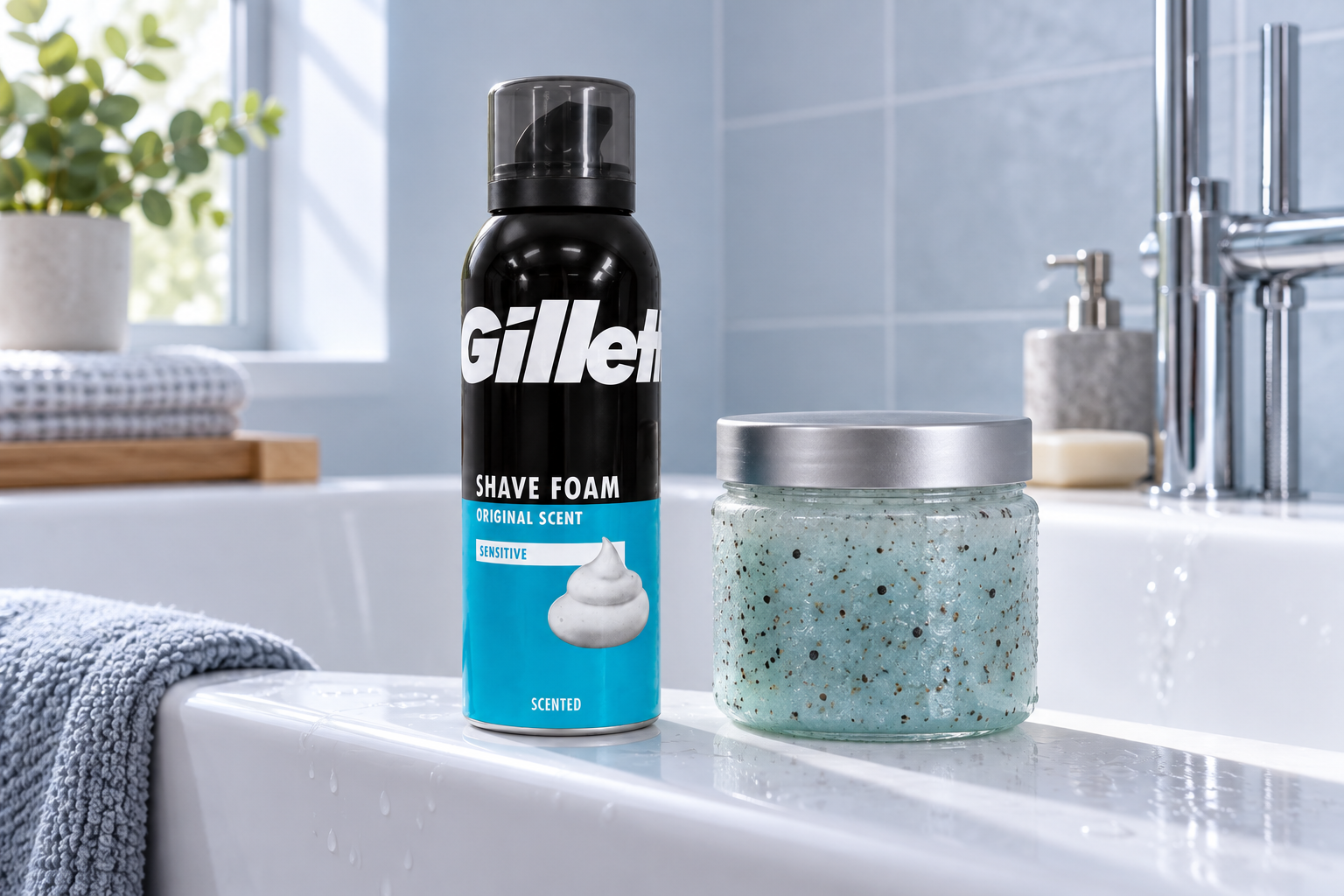
- Gillette Sensitive Shave Foam – a light foam for more sensitive skin that spreads easily over larger areas, such as the legs.
- Gillette Satin Care Lavender Touch Shave Gel – a gel that foams into a thicker layer in your hands, suitable for smaller, more challenging areas like the underarms or bikini line.
Myth: Acids with scrubs on the same day mean double the effect
Body lotions and creams with acids – most commonly lactic, salicylic, or glycolic – break the bonds between dead cells chemically. Mechanical exfoliation does a similar job through friction. When both are used on the same day, the effect isn't additive but burdensome: the skin loses more of its protective layer than it can regenerate, resulting in tightness, burning, or dry, flaky patches. This is most noticeable where the skin is thinner or where you've recently shaved.
It's wise to alternate between the two exfoliation methods. On scrub days, skip body care with acids and use a simple moisturizing cream or balm instead. Apply the acid product on days when nothing else is affecting the skin. The same goes for shaving – acids on freshly shaved skin usually sting just like grains do.
When the skin already burns
If redness and tightness appear after shaving or exfoliating, give your skin a break from all exfoliation until it calms down. For irritated areas, La Roche-Posay Cicaplast Baume B5+ is suitable, a soothing balm with panthenol that only needs to be applied in a thin layer. It's worth reintroducing exfoliation into your routine once the skin no longer burns or feels tight. If irritation persists or worsens, consulting a dermatologist is advisable.
What to Choose: Exfoliating Routine Based on Skin Type
Once you set aside the myths, you'll find a surprisingly simple process. Exfoliating is not an everyday ritual but an occasional step, after which skin barrier care takes center stage. Whether you have sensitive skin or more normal skin with a few rough patches, the routine revolves around three questions: how often, when to skip it, and what to treat the skin with immediately afterward.
Three Rules for Every Skin Type
- Frequency: Normal skin usually requires mechanical exfoliation once a week, while sensitive skin may benefit from it once every two weeks or only as needed.
- When to Skip Exfoliating: Avoid exfoliating irritated, sunburned, or injured skin, during periods when the skin is red and itchy, and on freshly shaved areas.
- Post-Care: Gently pat the skin dry with a towel and apply cream or balm while it's still slightly damp. This helps retain moisture that washing and exfoliating may have stripped away.
Sensitive or Atopic Skin
For skin that easily reddens, feels tight, or itches, the main focus is on gentle cleansing and regular moisturizing – exfoliation plays a secondary role here. A good foundation is the cleansing oil Bioderma Atoderm Huile de Douche, designed for dry and sensitive skin, which typically doesn't leave a tight feeling after showering due to its oily texture.
After drying, follow up with Bioderma Atoderm PP Baume, whose thicker texture is especially suitable for the driest areas, or care from the Uriage Xémose line, developed for very dry skin prone to atopy. If you wish to occasionally remove dead cells from sensitive skin, choose a very gentle product, keep contact with the skin brief, and apply light pressure without scrubbing. For persistent issues, it's worth consulting a dermatologist.
Normal Skin with Rough Patches
Normal skin can handle more regular care, but you don't need to treat the entire body with the same intensity. Focus the Dermacol Aroma Moment Body Scrub Vanilla Bourbon with its vanilla scent mainly on elbows, knees, and other areas where the skin tends to harden, and lightly go over the rest of the body.
After rinsing, reach for Bioderma Atoderm Créme Ultra-Nourishing, suitable for daily moisturizing of the entire body, or CeraVe Moisturising Cream, a rich cream with ceramides that works for both body and face. You can apply cream to elbows and knees twice a day in the days following exfoliation.
No matter which group you belong to, one thing holds true: smoothness is not achieved by scrubbing, but by the combination of gentle exfoliation and thorough post-care. If your skin reacts with redness or burning, take a step back – exfoliate less frequently and prioritize moisturizing.


Category
Recommended articles

"Give a girl the right shoes and she can conquer the world!" Marilyn Monroe
