
 Riiffs Freeze in Flames: Ice and Flames Illuminate Warsaw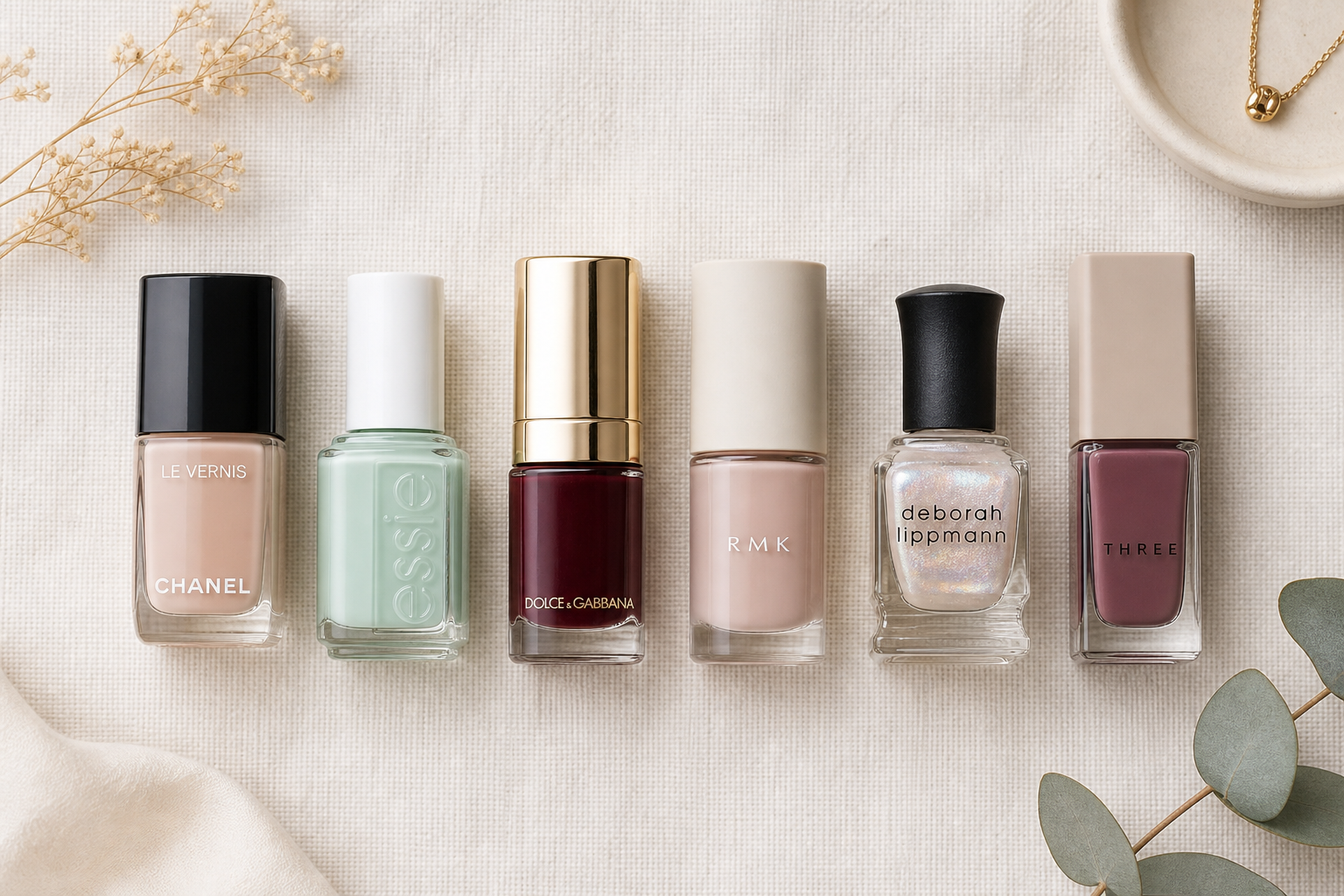
The year 2026 hasn't brought a single dominant color of the season, but rather a whole palette of shades and textures that coexist beautifully. In this article, we explain how to navigate the range of nail polishes—from nudes and pastels to vibrant tones, and from glossy to matte and pearlescent finishes—and how to create a perfect home manicure.
Nail Polish Trends in 2026: A Whole Palette Instead of a Single Season Color
Whether you switch up your nail polish based on your mood and the season, or you've stuck to one shade for years because it just suits you, this year it's worth revisiting the selection. Not because the tried-and-true classics are out of style—rather, the way we talk about nail polish colors has changed.
A few seasons ago, an entire spring or winter wave could be summed up with a single name. A shade would emerge that everyone was talking about, and the rest of the offerings would somehow define themselves against it. In 2026, this scheme has stopped working. Several trends stand side by side, not competing or trying to overshadow each other.
Simply put, today's selection speaks four languages that nail polish can express:
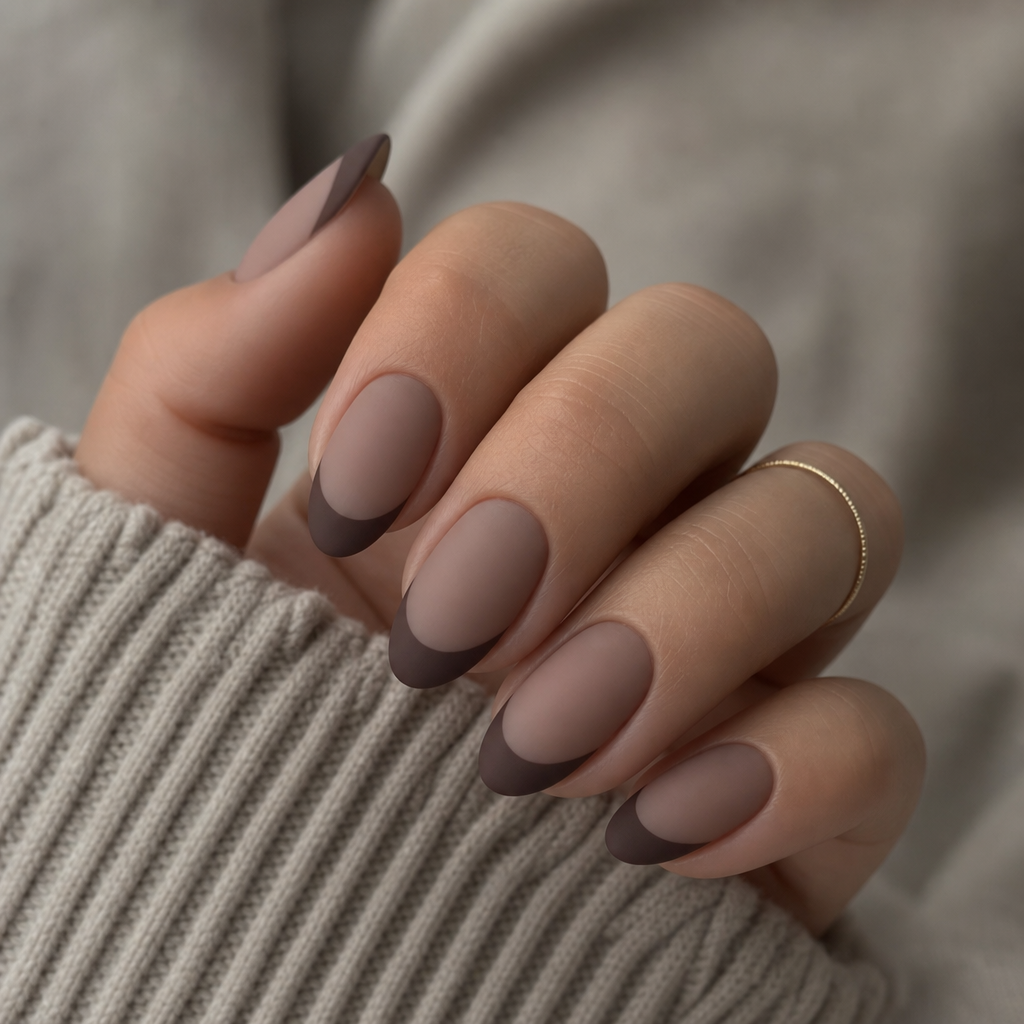
- Nude and Neutral Tones — from cooler beiges to warm sands and soft pinks; the choice for days when you want your manicure to look more polished than bold.
- Pastels — light, milky-softened shades that aren't as sweet as they used to be and are worn beyond the spring months.
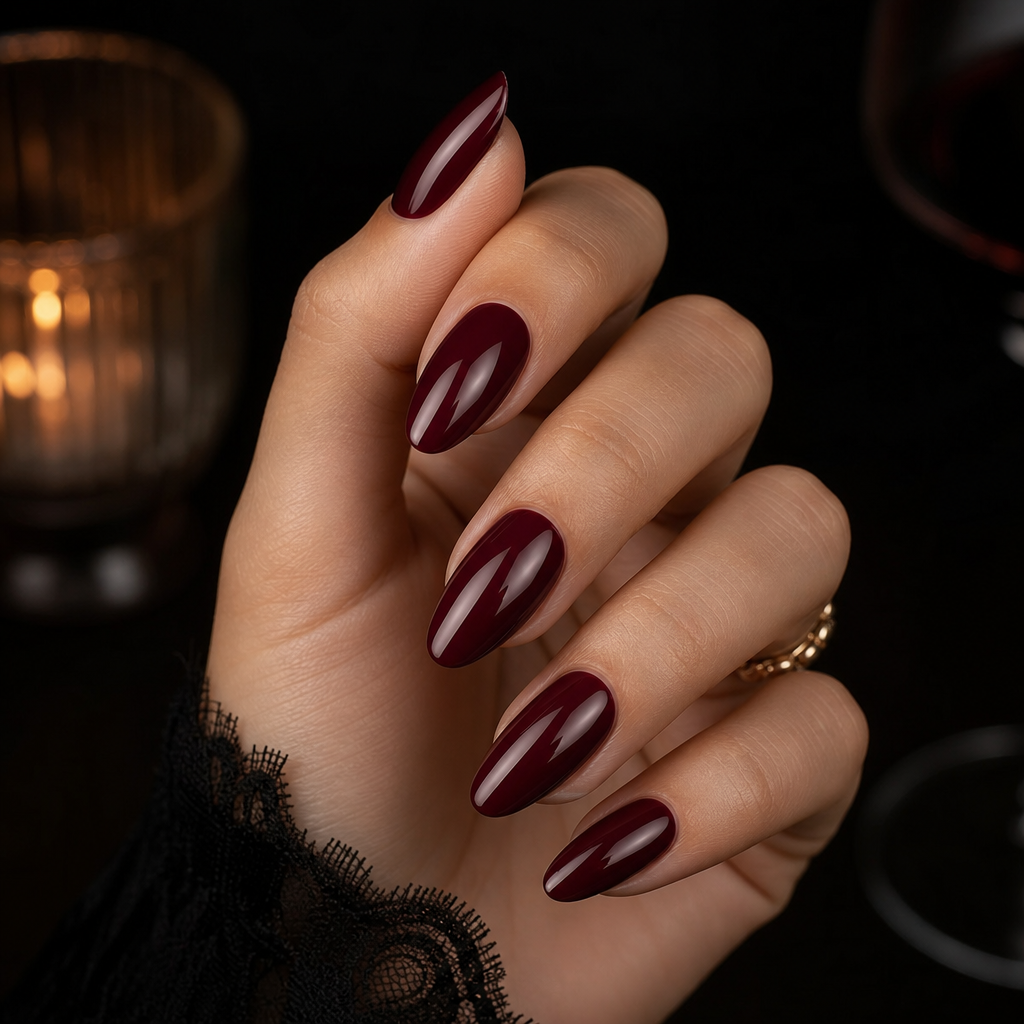
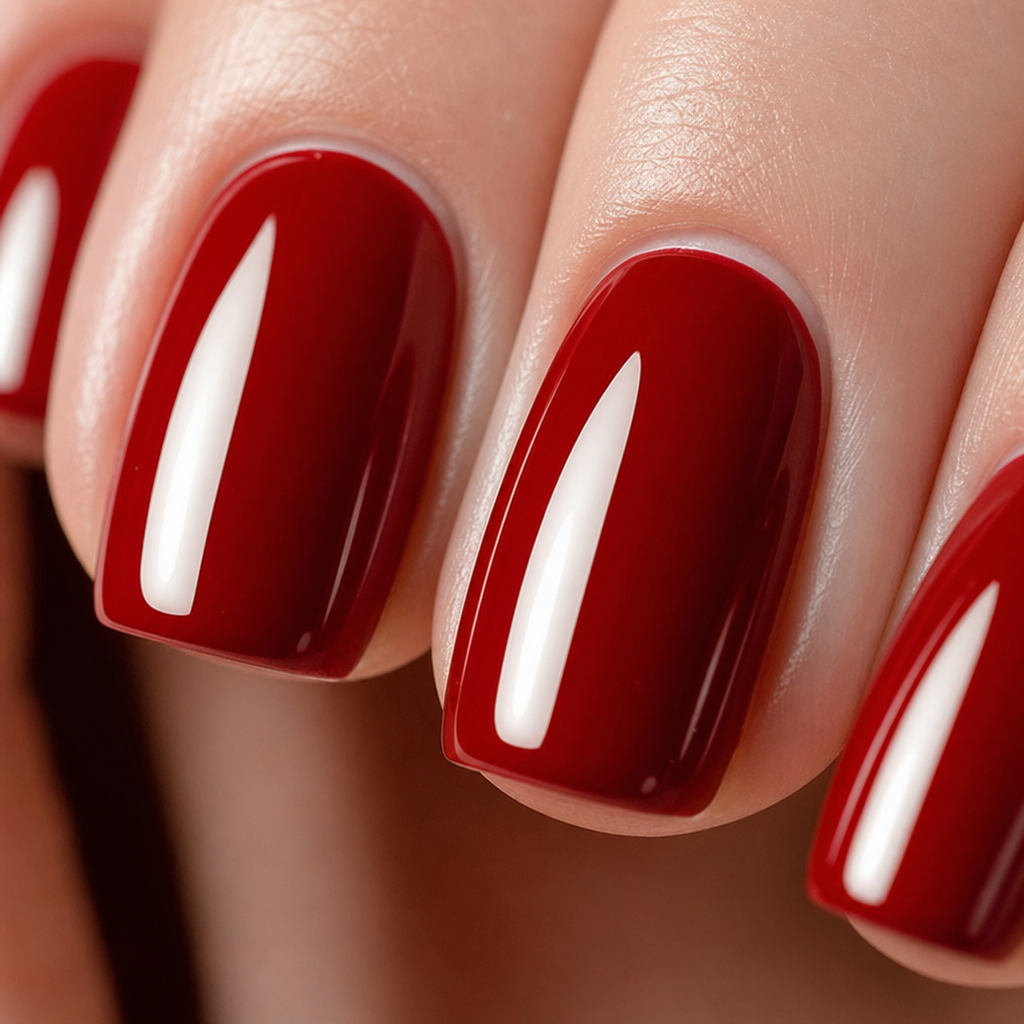
- Rich and Dark Colors — burgundy, navy blue, forest green, or pure red as a contrast to the more subdued tones.
- Special Effects Finishes — matte finish, pearlescent, subtle glitter, or creamy translucency that can transform even a shade you already have at home.
This might sound complicated, but it's actually the opposite. When there's no single "right" shade of the season, you can't go wrong. You decide based on what suits you, what matches your wardrobe, and how much time you're willing to spend on your manicure—and that's a much more practical guide than a fashion report from the runway.
The second shift is the balance between color and finish. Previously, the shade was the main decision, with the finish as a minor addition. Today, it's often the reverse: the same burgundy looks like three different polishes in glossy, matte, and pearlescent finishes. For you, this means that even with a relatively small collection of shades, you can achieve a variety of results if you choose the right topcoat.
In the following sections of the article, we'll explore both. First, the shades—how to navigate the different color families and choose between them so that the color complements your skin tone and the occasion. Then, textures and finishes, because this is where the most is happening this year, and the differences between them are not just cosmetic. Finally, the practical side: what can be achieved with a regular home manicure without professional equipment, how long each type of polish lasts, and where to start if you want to build a foundation that will serve you all year.
One thing remains unchanged: the result depends on nail preparation and how you apply the polish. Even a well-chosen shade looks sloppy if it clings to an uneven surface, and conversely, an understated nude looks great when applied in thin layers and given time to dry. We'll get to that—just know that in 2026, you don't have to search for a single color that won't let you down. You can choose from several that work simultaneously.
From a Single Shade to Multiple Directions: The Evolution Behind the Change
To understand the current variety on the nail polish shelf as more than just a sudden shift, it's worth looking back in time. Just a few seasons ago, nail colors were often discussed in singular terms: there was one shade that appeared in collections, in shop windows, and in magazines, while the rest of the palette quietly faded into the background. Manicures functioned much like pant styles – one dominant variant with a few accessories. The change you see on nails today isn't about one trend replacing another. It's more about branching into several parallel lines that run alongside each other.
Simply put, this journey can be described as the gradual separation of three approaches, each with its own logic:
- The Minimalist Line grew from caring for the nail itself. Nude shades, sheer polishes, and milky tones emerged from the demand for manicures that look neat but don't draw attention. Light pink and beige shades, which mimic the appearance of a natural nail, are closely related.
- The Bold Color Line remained with polish as an accessory meant to be seen. This includes vibrant reds, burgundies, blues, or greens – shades where the color itself is the theme.
- The Effect Line primarily works with the surface. Metallic, pearlescent, and finely textured polishes differ from smooth gloss by how they react to light – the result changes depending on whether you're in daylight or under artificial lighting.
The key is that these directions do not exclude each other today. While trends used to be expected to replace the previous one, now they layer. In practice, this means that the same drawer can contain a sheer polish for everyday wear, a bold shade for the evening, and a pearlescent polish for occasions when you want a more striking detail. The choice has shifted from "what's in this year" to "what do I need today".
Social Media and Faster Collections Played a Role
The first factor is the way manicures are discussed today. Visual social networks work with detailed shots of hands, making the difference between smooth gloss and milky translucency suddenly visible – and nameable. Descriptions of looks, not just color names, are spreading. At the same time, the circle of inspiration has expanded: alongside editorial picks, individual users and nail designers, who showcase variations for different nail lengths and skin tones, also influence the final taste. The result is the parallel existence of several "right" looks instead of one recommended color.
The second factor is the pace at which cosmetic brands refresh their offerings. Instead of two major seasonal collections a year, smaller, thematically defined lines and limited editions now appear more frequently throughout the year. For you as a customer, this has two practical consequences. The range of shades is wider at any given moment because new lines don't necessarily push out the older ones – classic polishes that have been selling for a long time remain in the assortment alongside new arrivals. On the other hand, with distinctly profiled limited shades, once sold out, they might not be restocked, whereas staple lines tend to be available long-term.
So when talking about new nail polish releases today, it's not about a command to replace your entire cosmetic bag. It's more about a map of possibilities, where you can choose based on the occasion, nail length, and how much time you're willing to dedicate to your manicure. That's why it's worth looking at individual shade groups and the differences between polish finishes separately – each addresses a slightly different need.
Shades: nude, pastels, and bold tones, and how to choose between them
The major change in recent seasons isn't about one specific color, but rather that three very different groups of shades coexist harmoniously. Neutral nude tones, soft pastels, and bold dark or vibrant polishes no longer compete as "this year's" and "last year's" choices — each serves a different occasion. Whether you're looking for a polish that will discreetly last the entire workweek or a color for one specific evening, it's worth choosing based on the occasion, nail length, and skin undertone.
Neutral and nude tones
This group includes everything from sheer pinks to beiges and caramels, to cool gray-pinks. They're suitable when you need one color that works everywhere — in the office, for more formal occasions, and for hands that are visible all day at work. Choose based on your skin undertone: warmer undertones suit beige and caramel tones, cooler ones are better with gray-pinks and milky whites. A nude tone slightly darker than your skin will visually elongate the nail, while a much lighter one will highlight its actual length.
The practical advantage of nude shades is that the growing nail bed at the cuticle almost blends with the polish color. The regrowth is therefore not visible as quickly as with contrasting colors, allowing you to wear the polish for a few more days.
Pastels
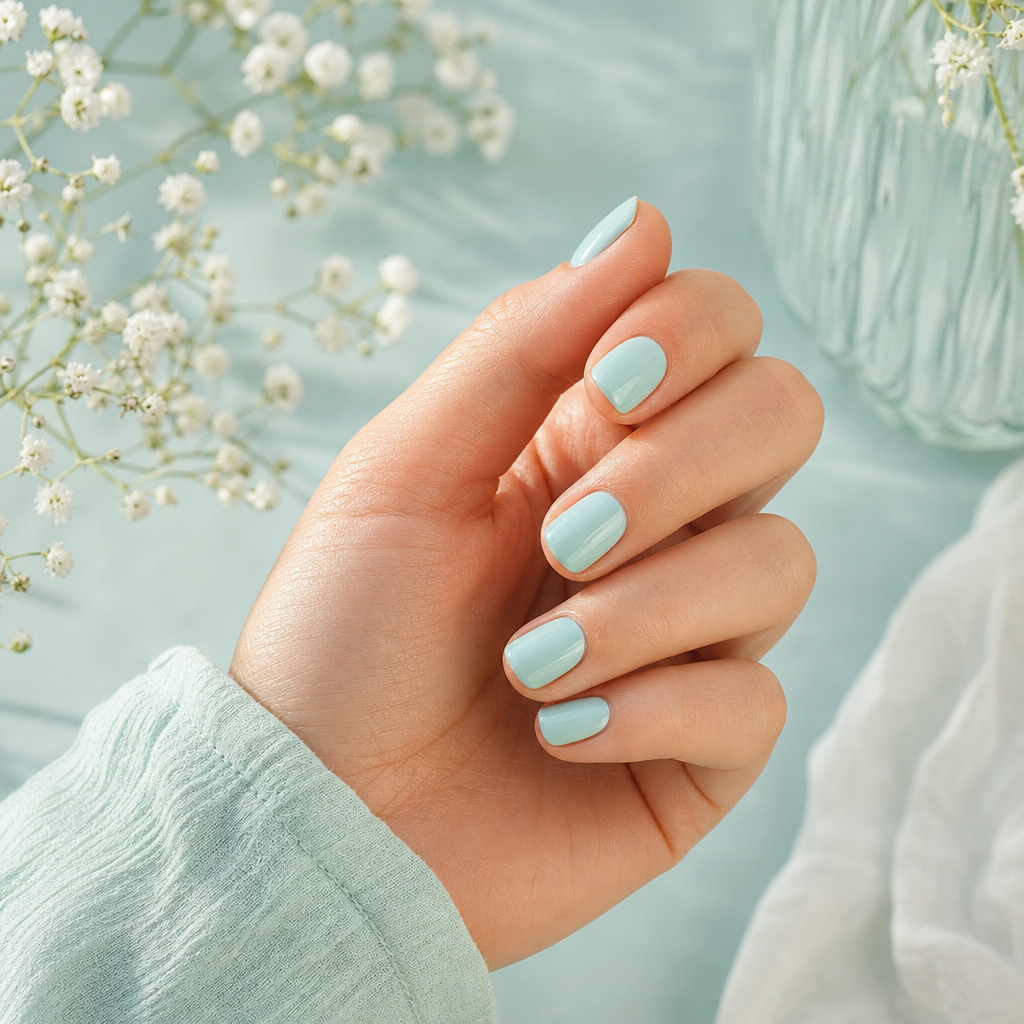
Pastel polishes — powder blue, mint, light lilac, or pistachio — are ideal for the warmer part of the year and for situations where you want color but not a stark contrast. They work well on shorter nails, where they appear clean. If you're unsure which pastel to start with, choose a shade that appears in your wardrobe — matching with clothing is more noticeable with pastels than with neutral tones.
Keep in mind that light creamy pigments tend to be less opaque. Most pastels need two to three thin layers for even color. Regrowth is visible sooner than with nude tones, but less conspicuous than with dark polishes.
Bold and dark tones
Burgundy, plum, dark blue, forest green, and classic red are shades you most often choose for specific occasions — evening events, celebrations, photoshoots. They clearly define the shape of the nail, so precise application is necessary. An imperfect edge is immediately noticeable with dark polish, while no one will notice it with a nude tone.
Bold shades have two practical limitations to consider in advance. Regrowth is noticeable after just two to three days, so you'll need to refresh them more often. And highly pigmented dark polishes can stain the nail surface after prolonged wear — therefore, it's worth applying a base coat underneath.
Quick decision based on the situation
When you need to decide on the spot, consider these four questions:
- How long do you want to wear the polish? For a week without touch-ups, choose a neutral tone; for two to three days, feel free to go for a bold shade.
- How much time do you have for application? Nude and sheer polishes forgive inaccuracies, while dark and pastel ones require a steady hand and thinner layers.
- What is the occasion? For everyday wear, neutral tones; for seasonal situations, pastels; for evening, bold colors.
- How long are your nails? On very short nails, a strong contrast can visually shorten the shape even more.
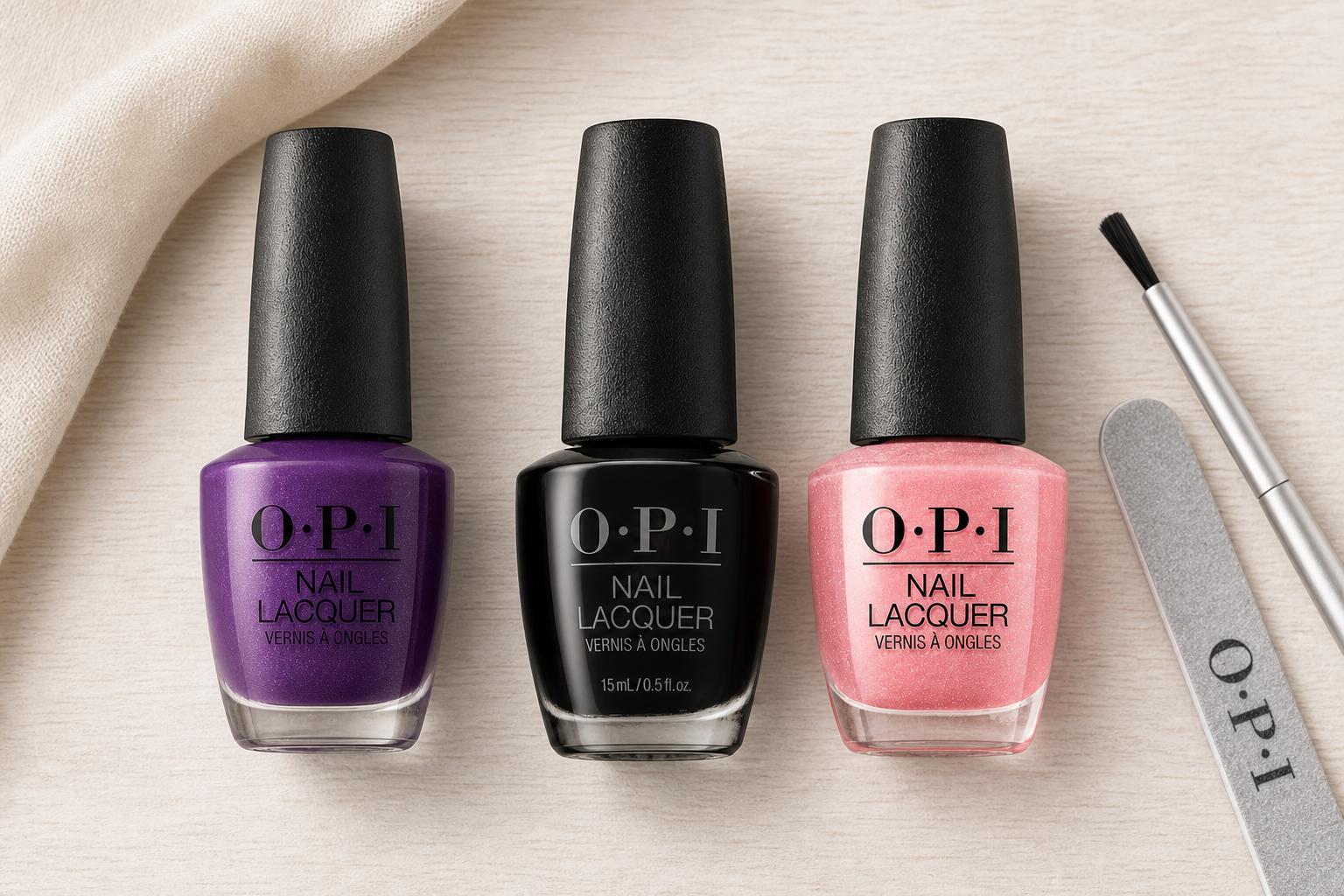
It's more practical to have one polish from each group than to search for a universal shade. Classic polish lines, such as those by OPI, cover all three directions within one collection, allowing shades to be compared with each other. Which color you apply then becomes a matter of the day, not a seasonal dictate.
Textures: Glossy, Sheer, Matte, and Pearlescent Finishes
While colors often steal the spotlight, texture is the quieter half of the decision-making process — and it's the aspect that has likely evolved the most in recent seasons. The same shade can appear fresh or strict on the nail, depending on whether it has a high gloss, sheer translucency, matte veil, or pearlescent sheen. Texture also determines how much effort application will require and how noticeable the first scratch will be. It's worth considering it as a separate parameter, not just a side note on the label.
Classic High Gloss remains the starting point and is the least demanding in terms of patience. A glossy top coat usually creates an even surface in just two layers, and the shine itself visually smooths out minor imperfections in the nail plate. That's why gloss is the most forgiving: irregularities in brush strokes tend to disappear in the mirror-like surface rather than stand out.
Sheer and Milky Formulas are the opposite case. These are polishes that are intentionally only partially opaque — either completely transparent with a slight tint of color or milky clouded into a white-pink mist. They appear soft and natural but come at the cost of more layers. Where a covering polish needs two, a sheer one often requires three, sometimes even four, before the color evens out and the free edge of the nail stops showing through. Advertising descriptions usually don't mention this nuance, so the first experience with a milky polish is often accompanied by the feeling that it "doesn't cover." It doesn't cover intentionally — just keep that in mind when planning your time.
Matte Finish can be achieved in two ways: either the polish itself is mattifying, or a matte top coat is applied over a regular glossy shade. The second option is more flexible, as it allows you to get two different moods from one shade. However, a matte surface absorbs light, highlighting texture — irregularities, remnants of imperfectly shaded cuticles, and brush strokes are more visible than on gloss. It's also more sensitive to grease, so after treating your hands with oil or cream, shiny spots can easily appear on matte surfaces.
Pearlescent and Metallic Effects have returned in a more subdued form than you might remember from previous seasons. Instead of a distinctly grainy pearl, it's more often a smooth, almost chrome-like sheen or fine shimmering pigments dissolved in a colored base. Pearlescent particles have one practical advantage: on a vibrant metallic surface, the regrowth line and small chips are less noticeable because the sheen distracts attention. The downside is that they are more difficult to remove than smooth covering shades.
If you want to choose a texture based on what you expect from your manicure, this simplified comparison might help:
- Gloss — minimal precision required, quick results, versatile for work and evening.
- Sheer Translucency — the softest impression, but more layers and longer drying time; suitable for shorter nails and a natural look.
- Matte — bold, modern surface that hides nothing and is less tolerant of grease.
- Pearlescent and Metallic — best at masking regrowth among the textures mentioned, ideal if you want to go longer without touch-ups.
One more thing to know in advance: textures can be combined, but not arbitrarily. A matte top coat works over practically any covering shade, whereas over a strong pearl, it usually flattens the effect you chose the polish for. Sheer polishes, on the other hand, can't handle too many layers — after the fourth, the surface tends to ripple rather than cover more. If you're unsure, try the combination on one nail first; it will save you the hassle of repainting the whole hand.
Practical Home Manicure: Steps, Longevity, and Where to Start
Knowing the shade and texture you want is about half the battle. The other half happens on your own nails at the kitchen table, where it's decided whether the polish will look nice for two days or a good week. A home manicure doesn't require professional equipment or an entire evening, just patience at a few moments that are easy to overlook.
Step-by-Step Process
The basic sequence of steps is the same for most polishes, whether you choose a glossy topcoat, a milky translucence, or a matte finish:
- Remove old polish and degrease. Residues of old polish and cream grease are the most common reasons why polish doesn't adhere well. Swipe the nail plate with a remover, even if nothing is visible on it.
- Trim and file into one shape. File in one direction, from the side to the center, to prevent the edge from fraying. Push back and moisturize the cuticle rather than cutting it.
- Apply a base coat. A thin layer evens out the surface, gives the polish something to hold onto, and limits nail discoloration with intense pigments. Let it dry before continuing.
- Color in two thin layers. Wipe the brush on the bottle neck and apply in three strokes: down the center and then on both sides. A thin layer dries faster and doesn't create waves.
- Finish with a top coat. Also cover the free edge of the nail, its tip. This is where the polish peels off first, and a few tenths of a millimeter extra makes a difference in longevity.
The number of layers varies by texture. Glossy shades usually suffice with two, while milky translucent and nude tones often need three for evenness. Pearl and fine glitter can be built up gradually, as even one thin layer gives a noticeable effect. For matte polishes, the opposite is true: a matte top coat should not be covered with a glossy one, or the matte finish will disappear.
Longevity and When to Reapply
There's no single number for longevity. With the classic polish system—base, color, and top coat—it's commonly said to last five to seven days, but in reality, it depends more on what you do with your hands. Frequent dishwashing, working with disinfectants, gardening, or cold pool water can reduce longevity to two or three days, even with carefully applied polish.
A small chip on the nail tip doesn't necessarily mean complete removal. Often, just coating the edges with a new layer of top coat can extend the manicure by another two days. However, if the polish starts lifting at the cuticle or forms bubbles, it's wiser to remove the entire surface and start over, as a new layer on an unstable base will last even less. Nails benefit from a day or two without polish between manicures and a bit of cuticle oil.
Where to Start
To start, you don't need ten shades. More practical is a trio: a base coat, a top coat, and one color shade you know you'll wear even on a weekday. Depending on how well you apply it, it makes sense to add bolder tones or texture experiments.
In our nail polish category, you'll find over two hundred and sixty items, so the choice is more about narrowing down than searching. Among classic polish lines, the brand OPI has long been a favorite among readers—its portfolio includes the staple shade OPI Nail Lacquer Pompeii Purple 15 ml, a darker purple with a blue undertone, which serves as a transition between subtle and bold manicures. If you want to match your nails with the rest of your makeup, browse the entire decorative cosmetics category: it's easier to complement a lipstick or blush shade with a similar undertone than to find a polish for already completed makeup.
Category
Recommended articles
Riiffs Freeze in Flames: Ice and Flames Illuminate Warsaw "Give a girl the right shoes and she can conquer the world!" Marilyn Monroe