
 Riiffs Freeze in Flames: Ice and Flames Illuminate Warsaw
The first part of our series on the world's fragrant cultures invites you to Provence. We'll explore how the year unfolds around Grasse, from May roses through lavender in July to jasmine at the end of summer.
The Land Where the Year is Measured by Harvests
When you think of French fragrance, an elegant bottle in a shop window might come to mind. But in the south of France, a scent doesn't begin in a laboratory; it begins in the fields, and its story unfolds with the seasons. In Provence and around Grasse, the year has long been measured not just by the calendar, but also by what is blooming and what needs to be harvested while the flowers are at their most fragrant.
The series "Scents and the World," which we are introducing with this piece, will take you through ten stops at places where the raw materials of perfumery are born. We won't be delving into the histories of perfumer families or telling tales of famous workshops—that's the focus of our series "The History of Scents." This time, we're looking at the landscape: the soil, the weather, the people in the fields, and the rhythm in which each flower appears.
The French fragrant year has three distinct chapters:
- May belongs to the centifolia rose, whose flowers are picked early in the morning before the temperature rises.
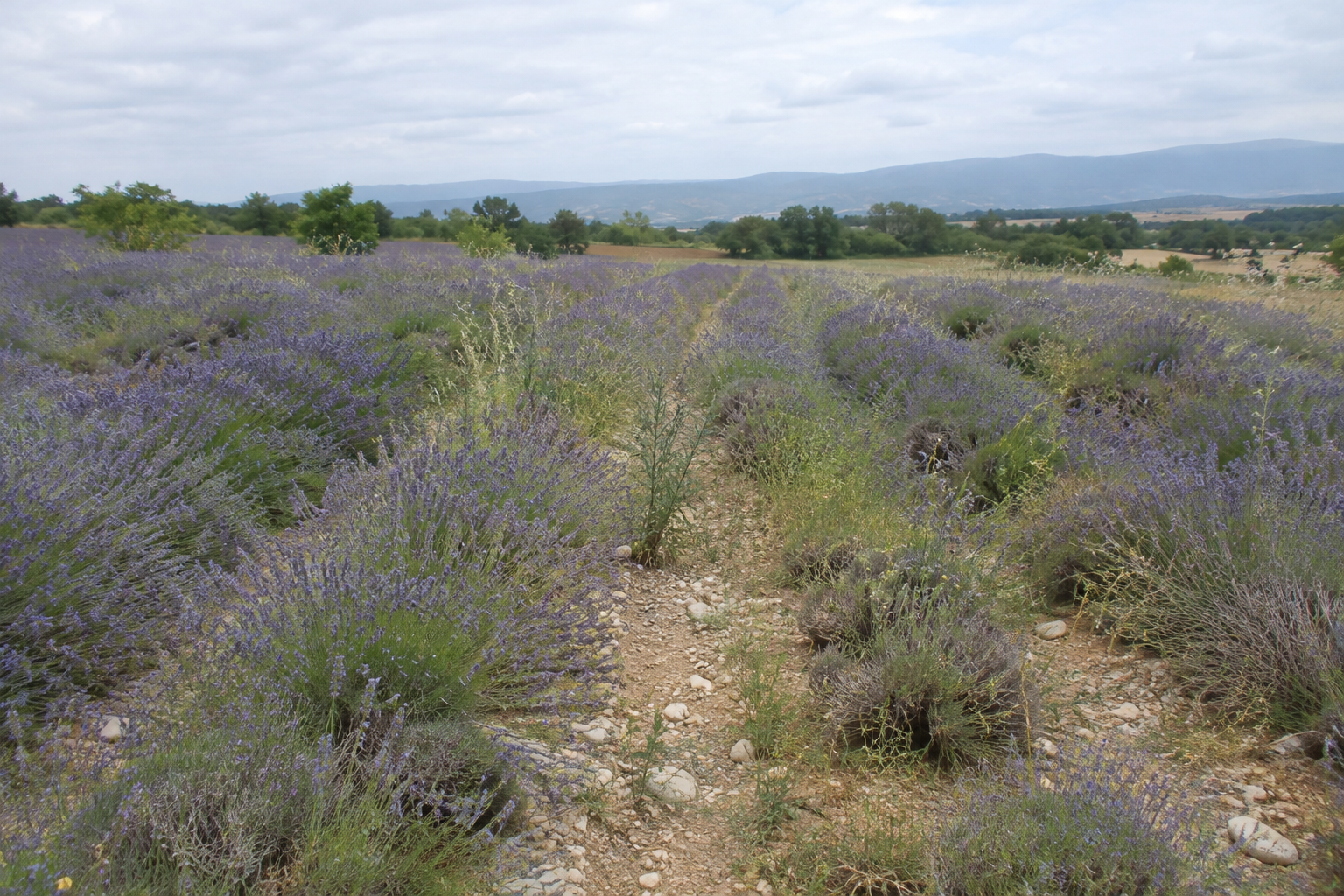
- July turns the plateaus of Haute-Provence purple, as the lavender and lavandin harvest reaches its peak.
- Late summer and the beginning of autumn are the time for jasmine, which is still picked by hand, flower by flower, in the early morning hours.
Why write about this in a magazine dedicated to perfumes and home fragrances? Because each fragrance captures a moment in time in its own way. A perfume with a rose heart carries a spring morning within it, a lavender note evokes a hot summer afternoon, and jasmine belongs to the cool evenings at the end of the season. When you look at perfumes from this perspective, they become more than just a list of notes; they become a small map of landscape and time.
The same applies at home. A scented candle or diffuser can bring the atmosphere of a season into your living room or bedroom. With home fragrances, you can work similarly to how you do with clothing: differently in spring, summer, and autumn. You don't need to know the technical terminology—just what each time of year brings.
In this piece, you'll find a brief explanation of why the flowers in the south of France are so fragrant, followed by a guide to three harvests—rose, lavender, and jasmine. For each, we'll explore how its character is reflected in perfumes and home scents. At the end, you'll find tips on how to arrange your Provençal year according to your own taste. Sit back and relax—we're heading to the fields.
Sun, Limestone, Mistral – Why Flowers Smell Different Here
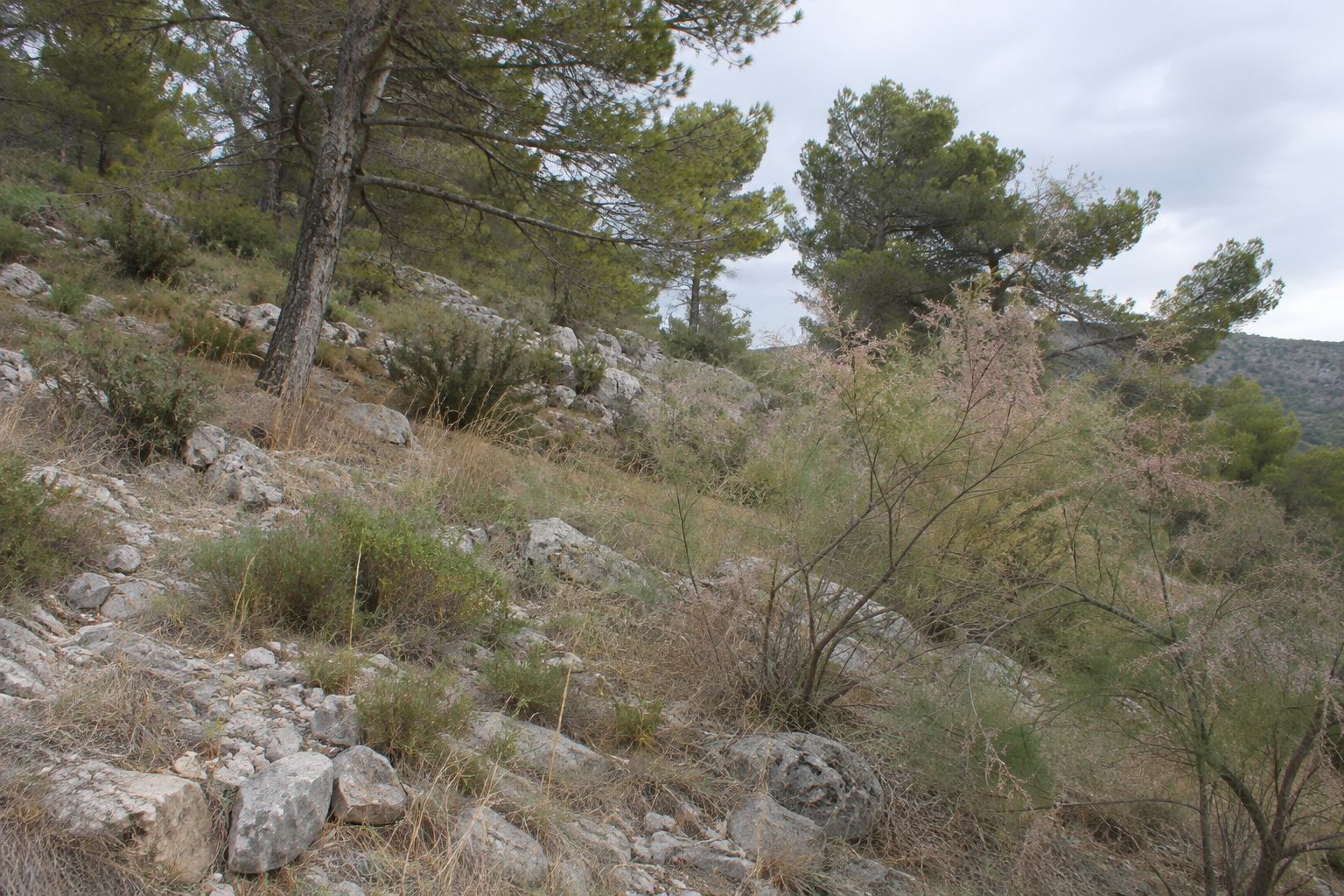
A flower destined for a bottle needs more than just a fertile garden. The south of France offers a combination rarely found elsewhere in Europe: many sunny days, poor limestone soils, higher altitudes, and a wind that dries the air. Each of these elements ultimately influences the scent of the final raw material.
- Sun – a long, warm summer gives plants time to build up a rich supply of aromatic substances. These help them cope with heat and drought, which is why scents tend to be more intense in sunny areas.
- Limestone – rocky, permeable, and nutrient-poor soil prevents the plant from growing too leafy. It grows more slowly but more focused.
- Altitude – warm days alternate with cooler nights. This temperature difference slows the development of flowers and enhances the delicacy of their fragrance.
- Mistral – a dry and cold wind blowing from the north through the Rhône valley to the sea. It disperses clouds, quickly dries fields after rain, and limits mold, so the sky over Provence is often clear.
It is not a single continuous fragrant area. The surroundings of Grasse lie in the hills above the Côte d'Azur, where a milder and more humid climate prevails. Smaller, often family-run fields of roses and jasmine are cultivated here – flowers that need care, warmth, and protection from harsh winds.
The inland has a completely different character. On the Valensole plateau and in the hills of Haute-Provence, vast fields of purple rows stretch out. On the lower plateaus, lavandin, a hardy and productive hybrid, prevails, while true lavender prefers higher, cooler, and rockier slopes. The landscape here is more open, drier, and the mistral affects it much more than the coastal hills.
However, the flower itself is not yet a raw material. The transformation must happen quickly because a picked flower begins to lose its fragrance within hours. Lavender and lavandin are processed by steam distillation – steam passes through chopped stems with flowers, carries away the aromatic substances, and after cooling, the essential oil is separated from the water. Delicate flowers, such as jasmine, cannot withstand hot steam, so their fragrance is obtained by solvent extraction. This results in a waxy substance called concrete, and after further purification, an absolute extract, a thick and highly concentrated raw material. For roses, both methods are used, each giving a slightly different shade of fragrance.
This is also why the harvest is timed according to the hours and weather. Many flowers smell strongest early in the morning before the midday sun dries them, so pickers head to the fields at dawn. After rain, they wait for the flowers to dry, as a wet harvest can easily spoil and lose quality. Thus, the calendar shifts slightly each year depending on how warm the spring was and how much rain fell.
These raw materials then carry the notes you recognize in many perfumes and home fragrances. And if you're curious about how Grasse became a perfume center, you'll find this story in our series "History of Fragrances."
May Belongs to the Centifolia Rose
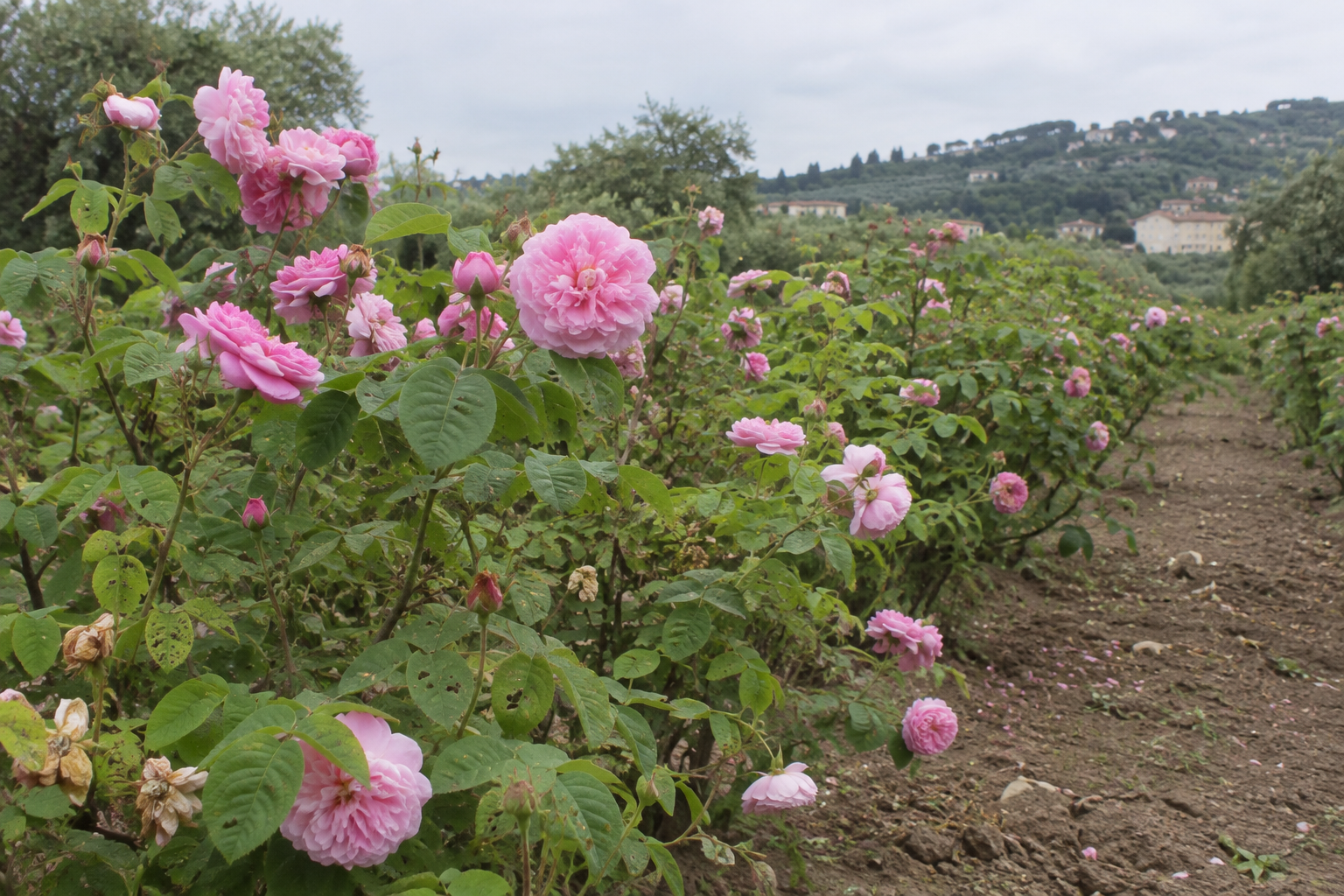
As spring warms up around Grasse, a flower eagerly awaited by local growers comes into bloom. The centifolia rose, also known as the May rose, blooms for only a few weeks, roughly from the beginning to the end of May. The work in the fields is swift and follows a precise rhythm: the flowers are handpicked early in the morning while the air is still cool and the dew hasn't dried. It is during these hours that the flower's scent is at its fullest—once the sun rises higher, some of the most delicate notes evaporate.
Each flower is picked individually, placed into baskets or cloth bags, and processed the same day, as the plucked petals lose their fragrance surprisingly quickly. The name centifolia, meaning "hundred-leaved," refers to its richly full bloom with numerous delicate petals.
So how does the May rose smell in a perfume? Less sweet and powdery than many might expect. Its character can be described in three layers:
- Honeyed – a warm, slightly sweet aspect reminiscent of a honeycomb or light honey.
- Slightly Spicy – a gentle hint of clove or pepper, giving the rose a non-flat character.
- Green – a fresh note of leaves and stems, adding a spring-like, almost garden-like purity to the scent.
This combination explains why the centifolia rose often appears in the middle notes, the heart of a perfume. In floral compositions, it forms the main axis and pairs well with jasmine, lily of the valley, or peony. In chypre perfumes, it balances the bitter, mossy, and woody base—bringing light and softness to it. The term "centifolia rose" or "May rose" is most commonly found in the composition descriptions of women's perfumes, but roses are increasingly appearing in unisex compositions as well.
The spring floral note doesn't have to be limited to the skin. In home fragrances, the rose plays a similar role as in perfume: it adds softness and the feel of a freshly blooming garden to the space. A scented candle with a rose or generally floral profile is more suited to the living room or dining room, where the fragrance unfolds with longer burning. A reed diffuser acts more subtly and continuously, making it ideal for the hallway or bathroom. For both formats, less is often more with floral scents—in a small room, one candle or a smaller number of reeds is sufficient.
The May atmosphere at home isn't just about the scent from a bottle or wick. It pairs well with a few simple habits:
- Fresh Bouquet – a few cut roses or peonies on the table; choose a more subtle scented candle to avoid clashing fragrances.
- Open Windows – morning ventilation brings in cool air, enhancing floral notes much like in the fields during harvest.
- Morning Ritual – a drop of floral perfume after a shower and a cup of tea by the window; in the morning, your sense of smell is refreshed, allowing you to perceive the scent more clearly.
Lavender July, Jasmine End of Summer
When you visit the plateaus of Haute-Provence in July, the landscape transforms into purple stripes stretching to the horizon within a few weeks. You'll smell it before you see the fields – a herbal, sunlit scent with a hint of honey. For perfumery, it's a key time of year, as lavender is an essential ingredient for an entire family of fragrances.
True Lavender or Lavandin?
The term lavender actually refers to two plants. True lavender grows at higher altitudes, has smaller flowers, and yields less oil. Its scent is delicate, floral-herbal, with a soft, almost powdery finish. Lavandin is a hybrid of true lavender and spike lavender, thriving even at lower altitudes and is significantly more productive. It has a sharper, fresher, and distinctly camphor-like scent – often found in soaps, detergents, and fragrances designed to smell clean and energetic. Neither is better; they are two distinct characters: true lavender suits compositions meant to be warm and soft, while lavandin shines where a fragrance needs to refresh.
Lavender in Perfume and Home
In perfumery, lavender is a cornerstone of aromatic and fougère compositions. Fougère, meaning fern in French, is based on the combination of lavender, coumarin with a sweet hay-like note, and a mossy or woody base. This accord still forms the backbone of many fresh men's perfumes, but lavender is increasingly found in unisex fragrances, where perfumers combine it with citrus, sage, vanilla, or musk. If you like a clean, neat impression that isn't overly sweet, lavender in the top or middle notes is a good guide.
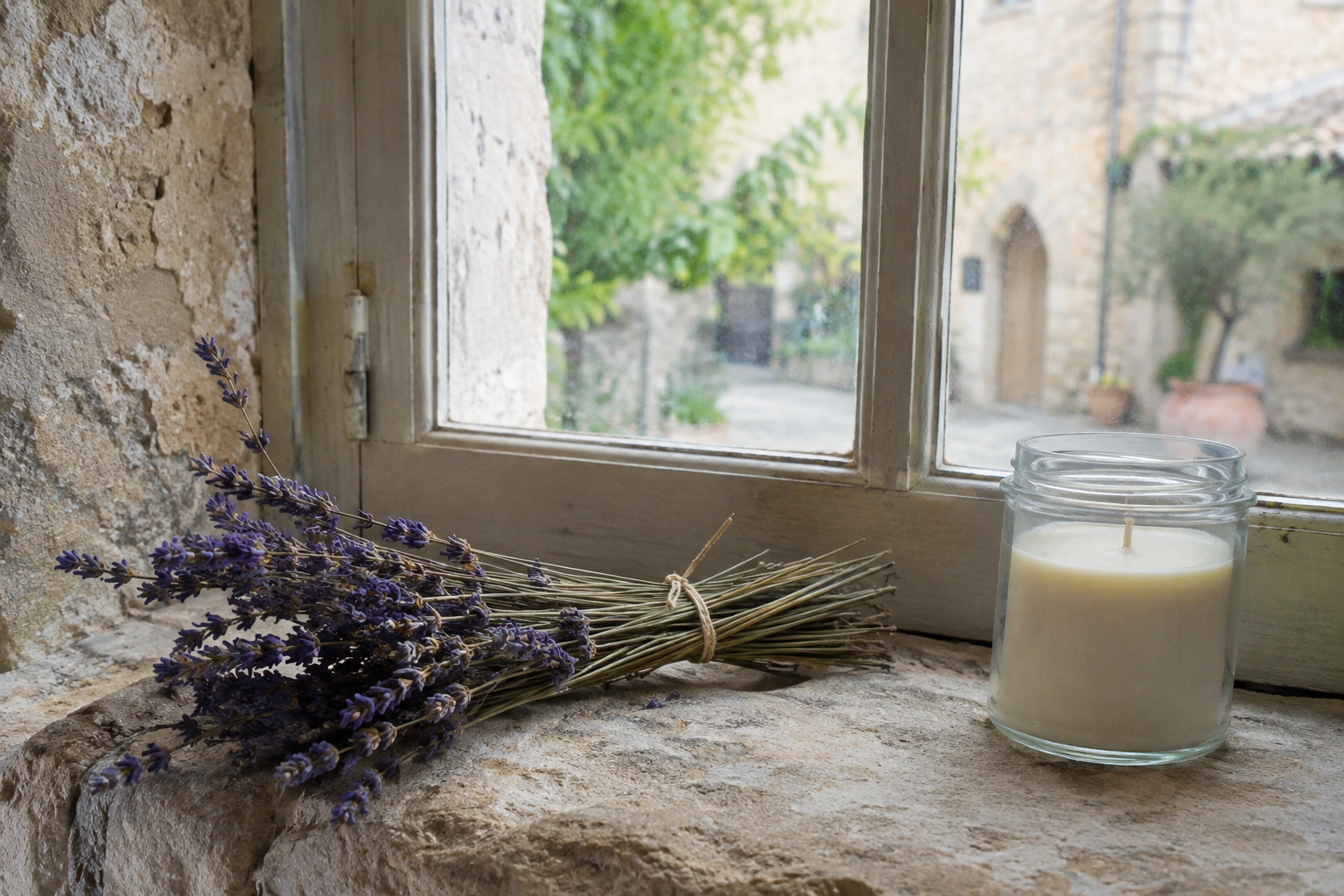
At home, lavender has an even longer tradition. Sachets with dried flowers have long been placed in linen closets and wardrobes to impart a gentle fragrance to clothes. In the bedroom, its softer form is suitable – a scented candle or diffuser with true lavender, possibly combined with vanilla or wood, creates a calm and unobtrusive atmosphere in the evening. The sharper lavandin tone, on the other hand, is better suited for the bathroom or hallway, where the fragrance should be fresh.
Jasmine Harvested at Dawn
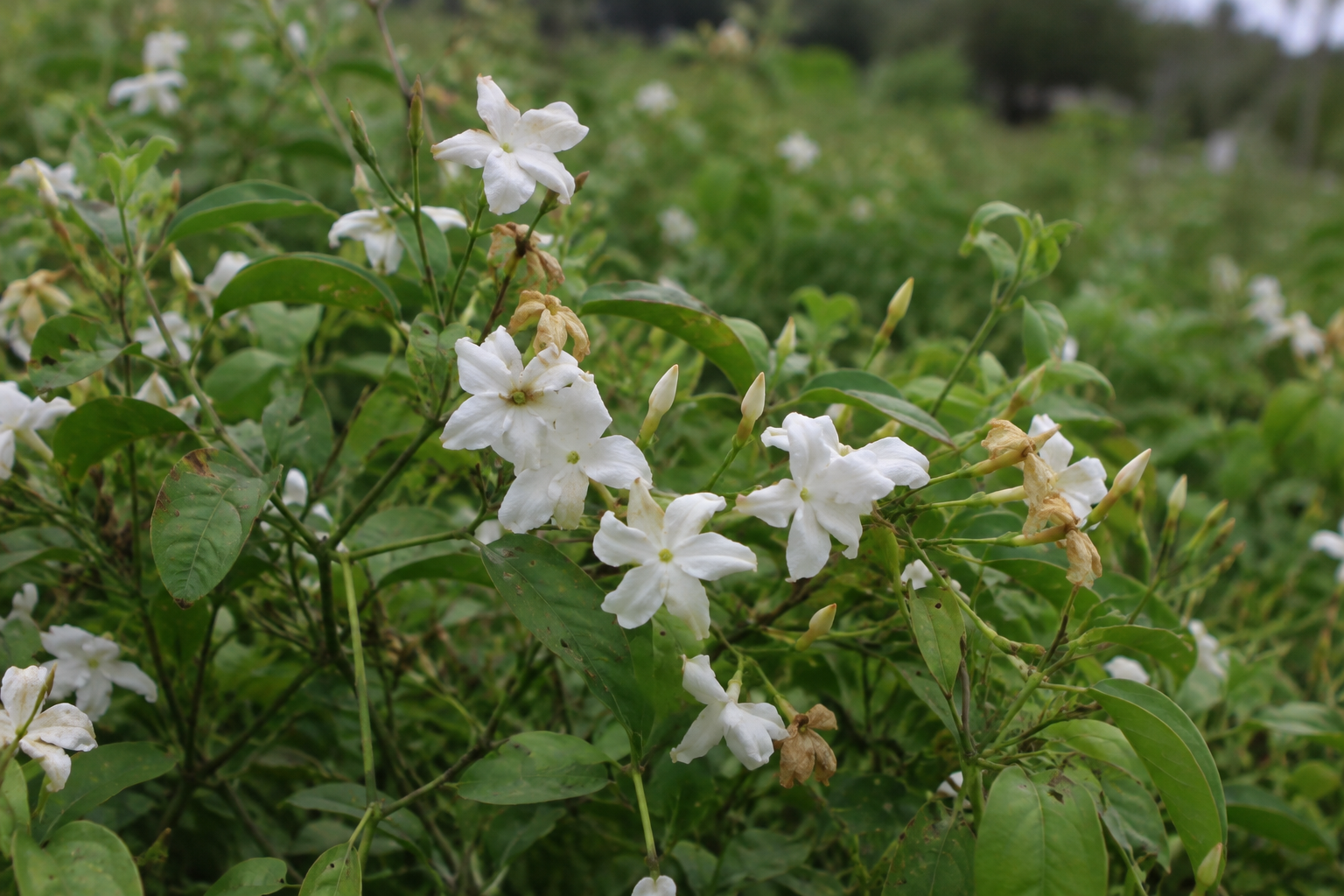
At the end of summer, attention shifts from the plateaus back to the area around Grasse. Large-flowered jasmine is hand-picked, flower by flower, early in the morning – while the blooms are freshly opened and their scent is most intense, before the day's sun weakens it. The flowers are small and light, so even a small amount of absolute extract requires a tremendous amount of work. This is why jasmine is considered a precious ingredient in perfumery.
Its scent is rich, floral, and sensual, with fruity and slightly animalic undertones. In perfumes, it usually forms the heart of the composition – linking fresh top notes with a warm base. You'll find it in many women's perfumes, from light floral to deep oriental scents, where it meets amber, vanilla, or sandalwood.
You can bring jasmine into your home as a warm evening fragrance for the transition from summer to autumn. In a scented candle or diffuser, where it blends with amber, honey, or woody tones, it softens and rounds out – perfect for the living room as evenings begin to shorten and the light turns golden. If pure jasmine seems too strong to you, try combinations with citrus or other white flowers, which pleasantly soften its intensity.
How to Bring a Provençal Year into Your Home
The Provençal calendar doesn't have to remain just on postcards from your travels. Simply borrow three main moments from it – the May rose, the July lavender, and the jasmine of late summer – and let them weave through your own year. It's not about replicating the landscape literally, but capturing the mood each season carries and bringing it to your skin and the rooms where you spend the most time.
A simple annual plan might look like this:
- Spring – Rose tones. As windows open and days grow longer, floral perfumes with a heart of rose are ideal, whether fresh and green or softly honeyed. At home, they can be accompanied by a light floral scented candle or diffuser in the living room.
- Summer – Lavender freshness. On hot days, aromatic and fougère compositions that feel clean and airy are appreciated. Lavender tones in the home are best suited for the bedroom or laundry, where they add a calm, tidy impression.
- Autumn – Jasmine evenings. With shorter days comes the time for fuller, more sensual flowers. Jasmine in perfume pairs well with a warmer base and is perfect as an evening scent at home, perhaps in a scented candle lit after dark.
Perfume on the skin and home fragrances should have a conversation, not compete. A few simple guidelines can help:
- Stick to one fragrance family, or choose two that naturally complement each other – a floral perfume and an aromatic home scent usually pair well.
- Let one fragrance lead. If you wear a bold perfume, choose a softer, lighter tone for the home, and vice versa.
- Consider the size of the space. In a small room, a shorter candle burn or fewer sticks in a diffuser is enough to prevent the scent from overpowering the perfume.
- Divide your home into zones. The kitchen and dining room can handle a more neutral environment, while stronger scents are better suited for the living room or bedroom.
Scents associated with a particular landscape have another power – they act as memories. A lavender tone might remind you of a summer spent in the south of France, while a rose perfume recalls a morning walk in the garden. And if you haven't been to Provence yet, such a scent can become a quiet invitation for a journey you have yet to plan.
Where to start looking? In the Perfumes category, focus on floral and aromatic fragrance families. You'll find rose and jasmine most often in women's and unisex compositions, while lavender is found in aromatic and fougère scents. Among home fragrances, choose scented candles, diffusers, and room sprays with floral and herbal tones of a similar style.
With that, we bid farewell to France for now. In the next installment of the Scents and the World series, we'll head to another country and explore how its landscape and seasons imprint their character into fragrances.
Category
Recommended articles
Riiffs Freeze in Flames: Ice and Flames Illuminate Warsaw "Give a girl the right shoes and she can conquer the world!" Marilyn Monroe