
 Riiffs Freeze in Flames: Ice and Flames Illuminate Warsaw
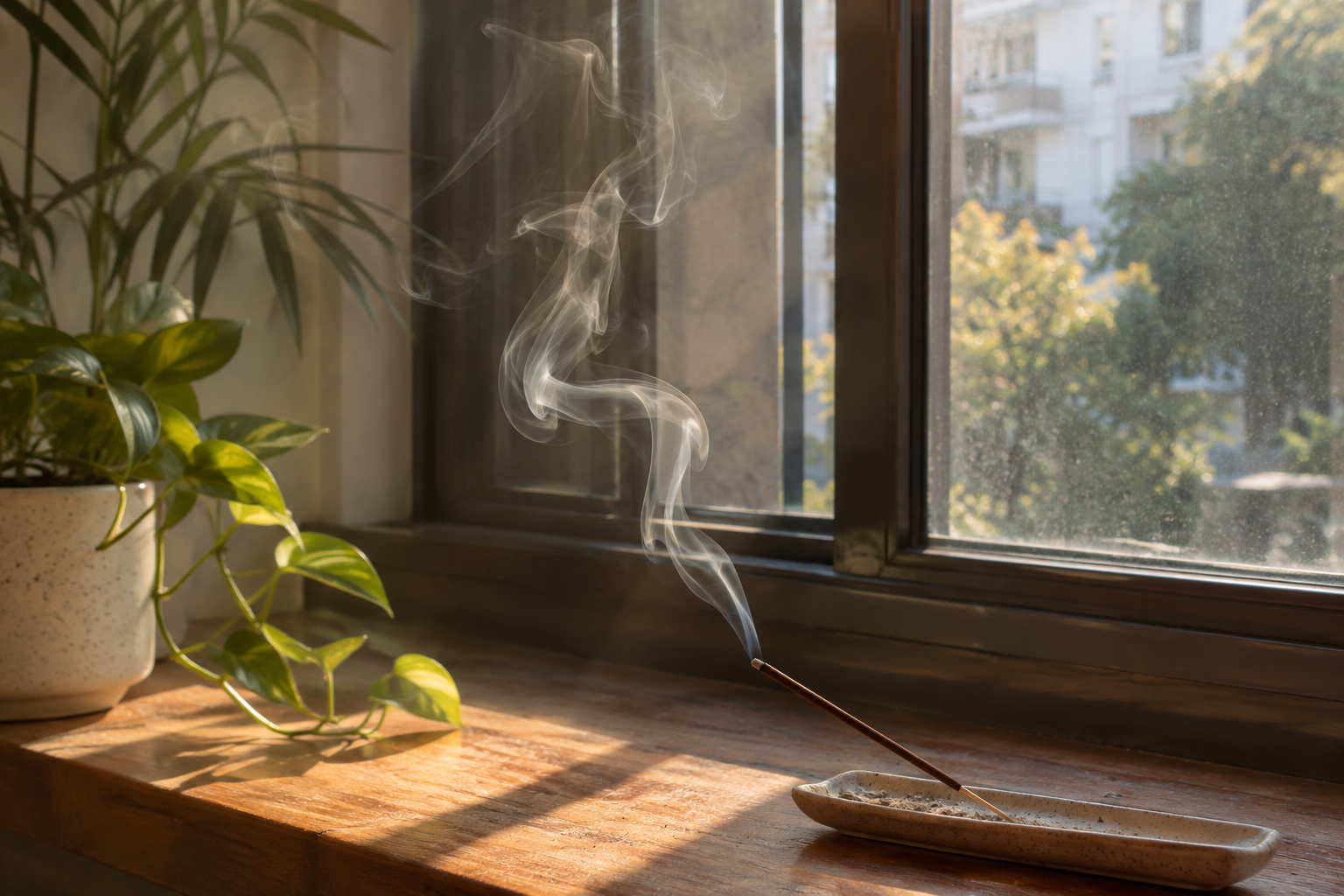
In the tenth and final part of the series The History of Fragrances, we explore how, after the loud '80s and the fresh '90s, there was a renewed interest in craftsmanship. Discover the first independent perfume houses and why niche perfumery continues to attract people today.
When the Market Became Mundane: The Origin of the Desire for Different Perfumes
In the previous installment, we observed how the loud and bold scents of the eighties were replaced by the clean, airy freshness of the nineties. Both decades demonstrated the power of the global perfume market: a single successful innovation could scent offices, clubs, and streets of major cities worldwide within a few seasons. However, within this success lay a question that many fragrance enthusiasts began to ask themselves – are perfumes starting to become too similar?
As the number of new releases grew, so did the way perfumes were created. Large cosmetic houses introduced more and more compositions to the market, each needing to withstand tough competition. New fragrances often underwent consumer tests, where groups of respondents primarily assessed the first impression after smelling them. The logical result was perfumes that wouldn't offend anyone and appealed to the broadest audience possible. Bolder accords, like smoky, animalic, bitter, or earthy tones, rarely made it into the final version because they might alienate some people in tests.
For many customers, this was not a flaw: a department store perfume was pleasant, easy to wear, and predictable. However, those who viewed perfumery as an art form might have felt that it was slowly losing its uniqueness. Just as independent creators stand alongside major productions in music or film, the desire for something different began to grow in the world of fragrances – for perfumes that don't try to please everyone and perhaps tell a more distinctive story because of it.
This movement became known as niche perfumery. The word "niche" comes from French and means a recess – a place away from the main area, where one doesn't stumble upon by chance, but whoever finds it discovers something special. Niche perfumes are usually produced in smaller batches, do not rely on extensive advertising campaigns, and their creators can afford to experiment with raw materials and composition structure. Instead of asking what appeals to the majority, they ask what they want to convey with the fragrance.
Today, niche perfumes form a distinct and diverse segment of the perfume world. However, their roots go deeper than it might seem – the first independent perfumery houses began to emerge long before the term niche became familiar even to regular customers.
Pioneers Beyond the Mainstream: The First Independent Perfume Houses
Today, niche perfumery is spoken of as a world of its own, yet its roots run surprisingly deep. Long before the English term was adopted, small houses in Paris emerged that did not wish to compete with fashion giants. They weren't seeking mass success – they wanted to create perfumes their own way.
The Sixties and Seventies: Boutiques Instead of Campaigns
In the early sixties, a trio of friends opened a shop on Paris's Boulevard Saint-Germain called Diptyque. Initially, they offered fabrics and small home items, but soon added scented candles and by the end of the decade, their first perfume. The fragrances were not created as accessories to a clothing collection, but as standalone stories – inspired by the founders' travels, gardens, and memories.
In the mid-seventies, L'Artisan Parfumeur joined them, a house founded by perfumer Jean Laporte. The name itself suggests the focus: perfumery as a craft, not as industrial production. The compositions often stemmed from a single distinctive ingredient or a specific natural motif and were intended for people who wanted to smell different from the rest.
In 1981, Annick Goutal entered the scene. Originally a pianist, she came to perfumery by a roundabout route, and her house was built on delicate, personal compositions that were created more as a memory of a place or a close person than as a response to market demand.
The Nineties: Perfume as an Author's Project
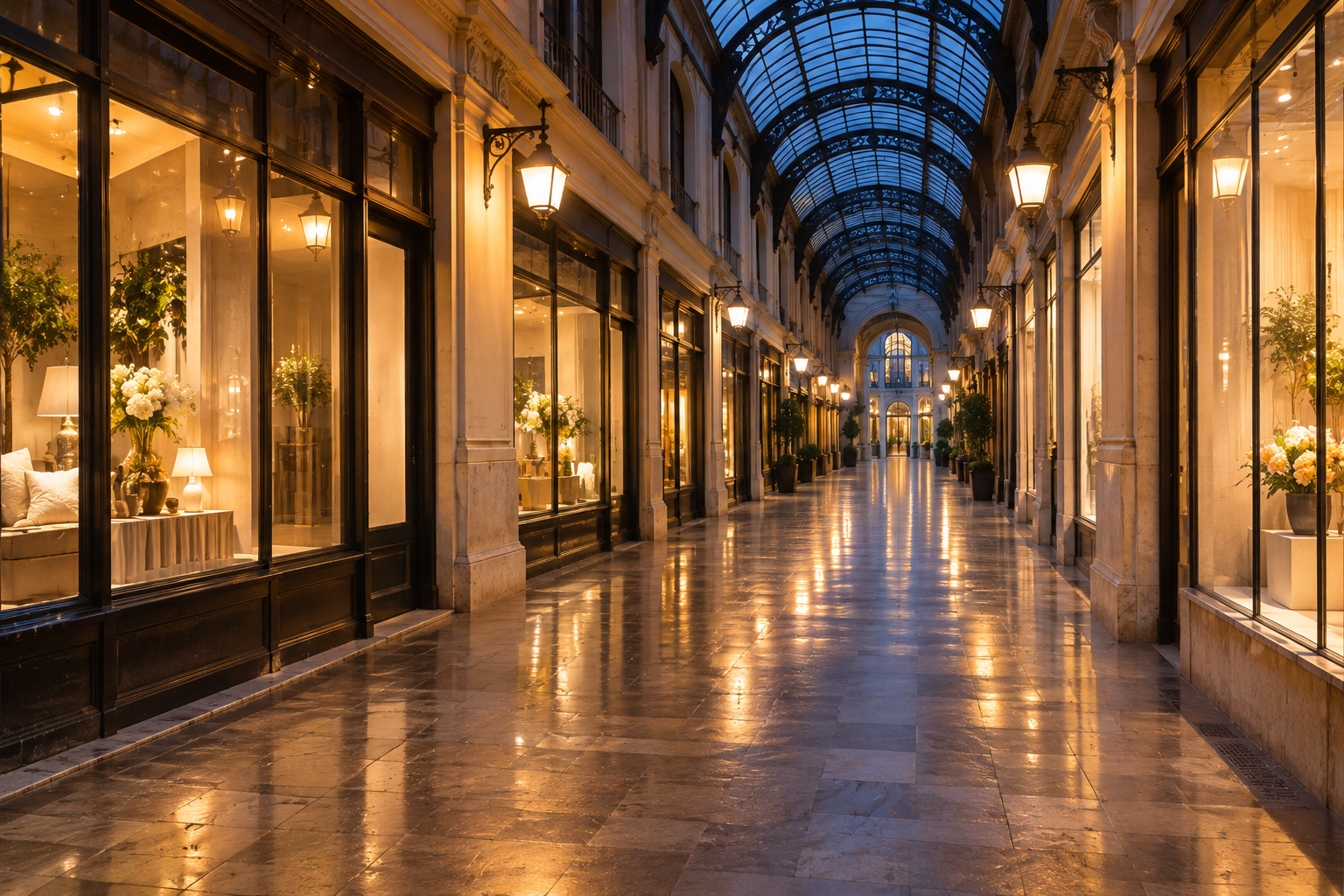
In the nineties, a new wave arrived. Serge Lutens, who had previously worked as an image creator for major cosmetic companies, opened a salon in the arcades of Palais Royal in Paris with the support of the Japanese group Shiseido. The compositions there worked with tones that seemed unusual in the mainstream offerings of the time – with spices, resins, or sweet woody accords. The boutique thus became more of a place of discovery than a store.
Around the same time, the Japanese fashion brand Comme des Garçons also began releasing perfumes. Although it was a fashion house, it approached fragrances experimentally and wasn't afraid of concepts that consciously challenged the classic notion of a "pleasant perfume."
What Set Them Apart from Big Brands
Whether it was a small shop on the left bank of the Seine or a salon under the arcades, these houses shared several common traits:
- Small Boutiques – perfumes were mainly sold in their own shops or through a few selected retailers, where customers had time to smell the fragrance and discuss it.
- Limited Distribution – instead of shelves in department stores worldwide, the offerings spread slowly, often by recommendation.
- Minimal Advertising – no big campaigns with famous faces; the reputation grew thanks to the fragrance itself.
- Creation Without Popularity Tests – while big brands tested new compositions on consumer panels, independent houses relied on their own taste and weren't afraid that the perfume might not appeal to everyone.
These very principles later helped define what we now call niche perfumes. At first glance, inconspicuous houses thus laid the foundations for a direction that would transform the entire perfume market several decades later.
The Perfumer as an Author: Quality Ingredients, Personal Signature, Bold Notes
For decades, the person who actually composed a perfume remained hidden behind the name of a fashion house. Customers knew the brand, the advertising campaign, and the face on the poster, but few knew who created the fragrance. This began to change around the year 2000, with niche perfumery playing a crucial role.
A significant milestone was the publishing concept of Frédéric Malle. He approached perfumers much like a publisher approaches writers: providing them with freedom, time, and space to work with quality ingredients, and featuring their name directly on the bottle, alongside the composition's title. Among the authors who created for him were Jean-Claude Ellena and Dominique Ropion. The idea that a perfume has an author, just like a book or a painting, quickly caught on in the niche segment. Today, it's common for many independent houses to feature the creator's name on the packaging, in the fragrance description, or at least in accompanying materials.
With authorship came a personal signature. An experienced perfume lover can often recognize that certain compositions are linked by a typical work with light and transparency, or conversely, with a dense, velvety base. This opened up a new way of choosing: not by brand, but by the creator whose style resonates with you.
The second pillar was working with ingredients. Niche creators reached for materials that are too expensive, rare, or challenging to process for mass production:
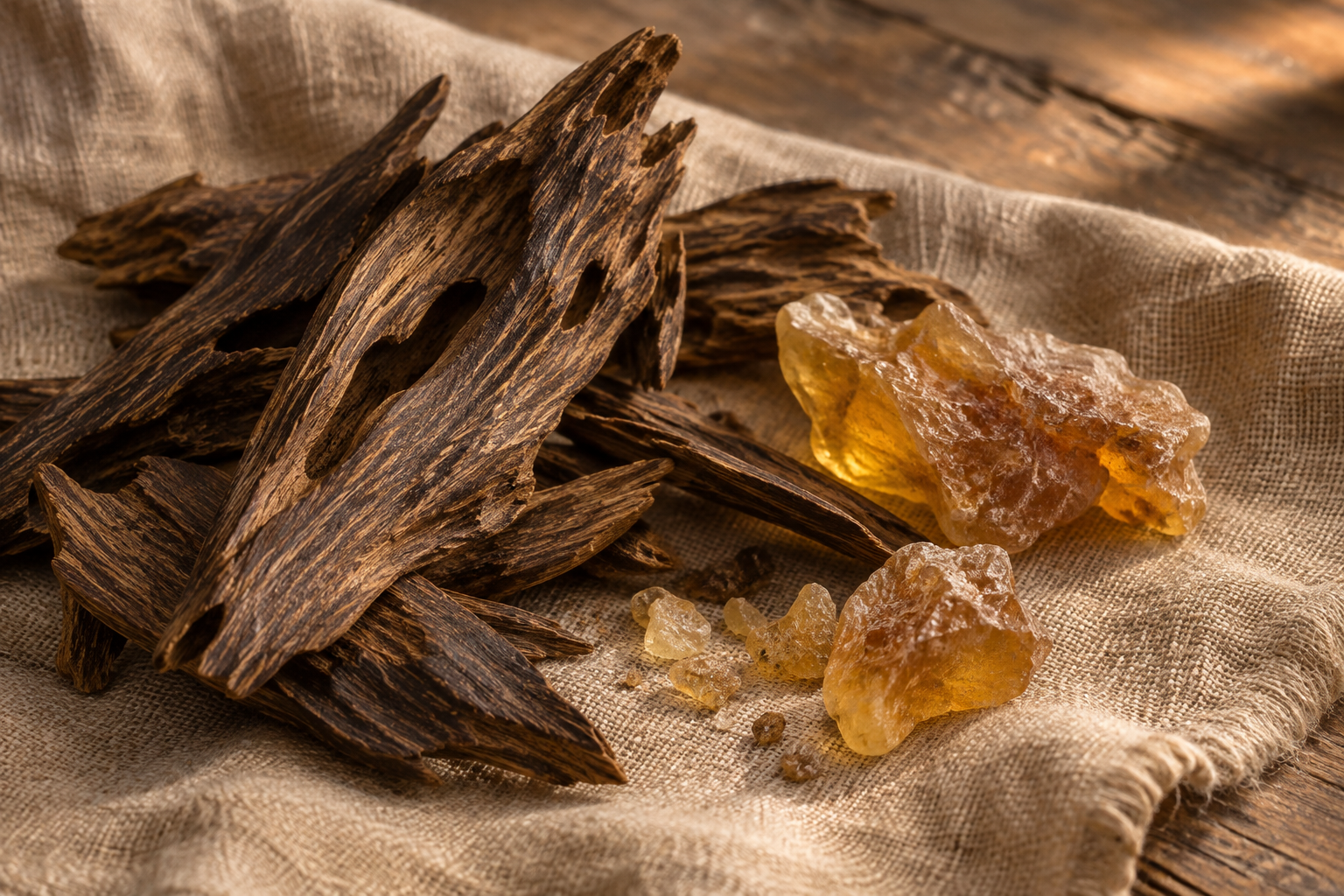
- Incense – resin from Boswellia trees, which smells dry, smoky, and slightly citrusy, evoking the atmosphere of ancient temples.
- Oud – dark, resinous wood from Aquilaria trees. Natural oud is very rare, and therefore it is often combined with accords that mimic it in practice.
- Iris Root – iris rhizomes are left to mature for several years before a powdery, gently earthy essence is extracted from them. The lengthy process makes it one of the most expensive ingredients.
- Tobacco – sweet, honeyed, and dry notes that add depth and warmth to compositions.
- Leather Accords – the scent of leather doesn't come from leather itself but is composed of other ingredients, such as birch tar. It can feel softly suede-like or rough and smoky.
Equally important was courage. The mass market long relied on consumer tests and considered smoky, animalic, or earthy tones too risky. Niche perfumers, on the other hand, brought them to the forefront – creating compositions reminiscent of a fireplace, damp earth after rain, an old library, or warm skin. Animalic tones, once derived from natural sources, are now commonly replaced by synthetic molecules in perfumery, allowing their character to remain intact. Such perfumes are not for everyone and were never meant to be. Their purpose is to evoke a reaction, a story, or a memory, not to appeal to the broadest audience possible. Many of them are also designed regardless of gender, which is reflected today in the offering of unisex niche perfumes.
Why Niche Perfumery Attracts – The Charm of Uniqueness Without Illusions
When you encounter the same few scents in the office, elevator, or tram, it's understandable that you start looking for something different. The desire not to smell like everyone else is what draws most people to niche perfumery. It's not just about being noticeable – it's more about the feeling that the scent you wear truly belongs to you and doesn't get lost in the crowd.
The second allure is the story. Niche perfumes often revolve around a specific idea, place, or memory, and their creators love to talk about them: why they chose a particular ingredient, what they wanted to capture, how long they fine-tuned the composition. Those who are deeply interested in perfumes will also appreciate the craft itself – smaller series, bolder combinations of tones, and compositions that don't try to appeal to everyone.
That's the allure, now for a more sober perspective. The term niche primarily describes the way a brand is created and sold – on a smaller scale, with limited distribution, and without massive advertising campaigns. However, it doesn't guarantee that you'll like the perfume more than a popular classic from a regular perfumery. Even among niche scents, you'll find excellent, average, and some that just don't suit you. Conversely, many mainstream perfumes are the result of the careful work of experienced perfumers.
Moreover, the concept itself has loosened over time. Many once-independent perfumery houses have become part of large cosmetic and fashion groups, and at the same time, many new brands have emerged that use the word niche mainly as a marketing label. This doesn't mean their perfumes are worse – it just pays to take this label as a guideline, not as a guarantee of quality or uniqueness.
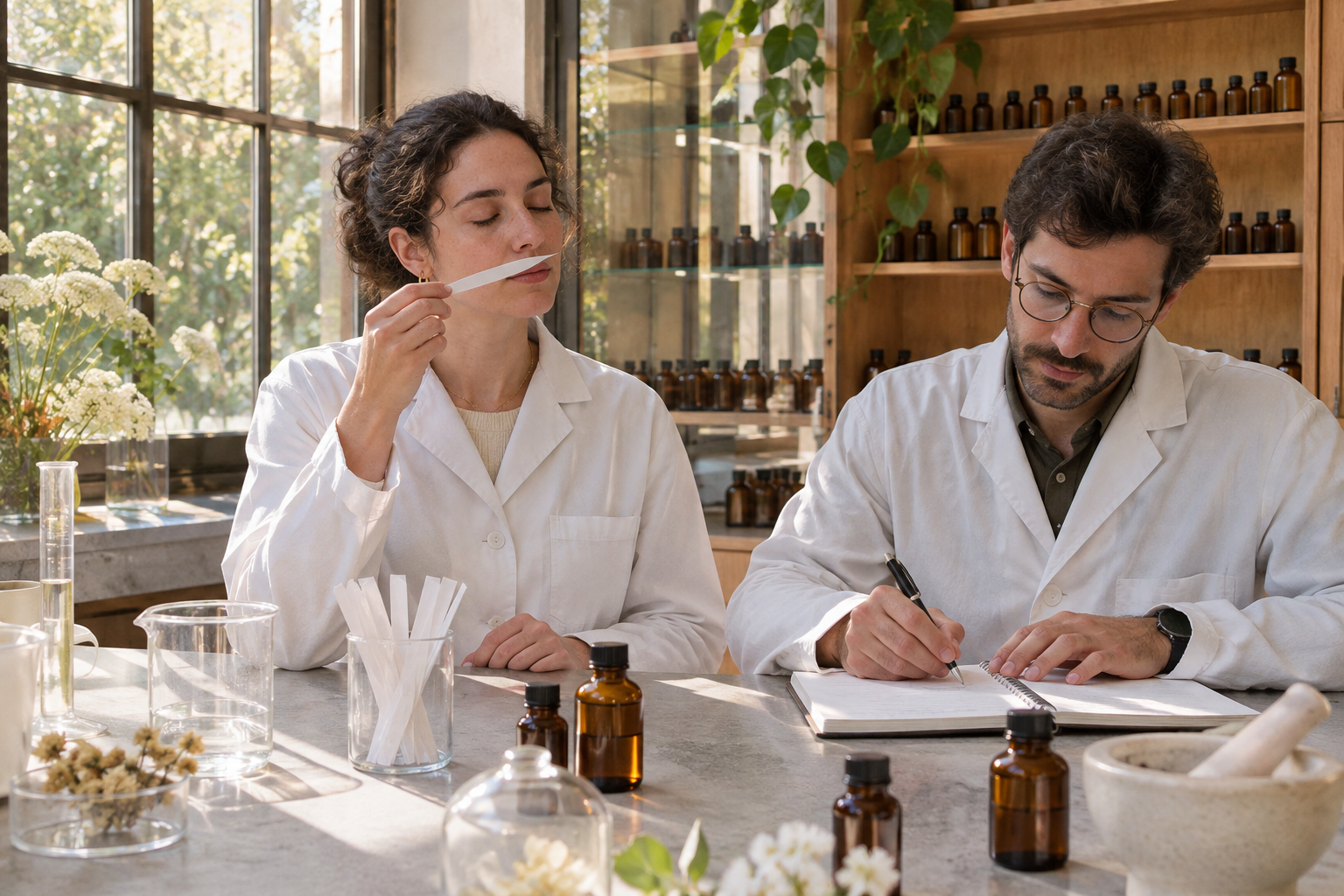
How to Test a Niche Perfume
- Take your time. Set aside a calm moment for testing and don't rush. Try no more than two or three scents at a time, or they will start to blend together.
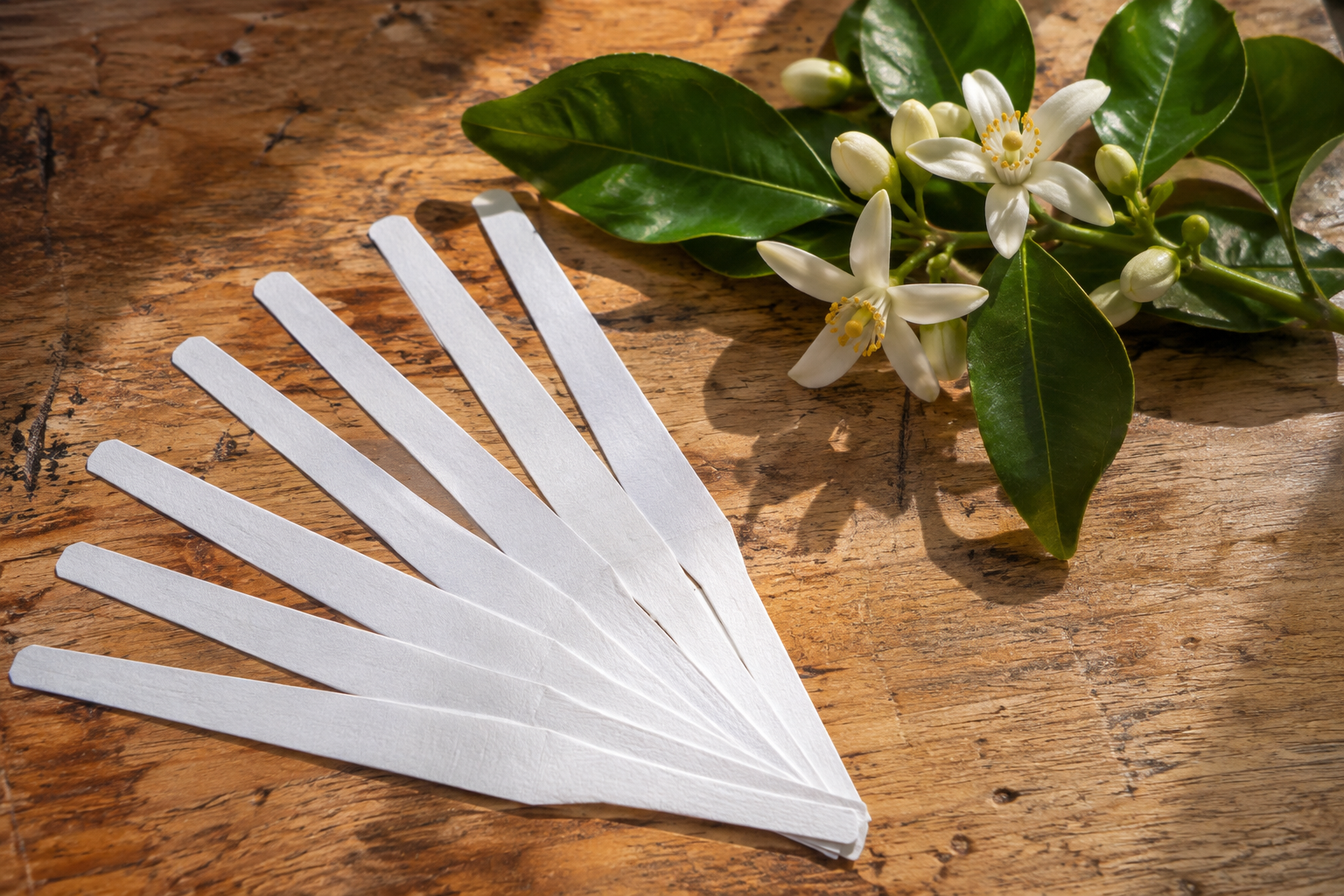
- Test on your skin. A paper strip shows the first impression, but only on the skin will the scent reveal itself as you will wear it. Apply it to your wrist or the inside of your forearm and don't rub.
- Wait several hours. The top notes fade quickly, the heart and base open later. Many niche compositions rely on resins, woods, or leather, which develop slowly – so leave the final verdict until the afternoon or evening.
- Ask yourself. What matters is not how exclusive the brand name sounds, but whether you feel good in the scent and want to return to it.
Many niche perfumes also don't distinguish between women's and men's scents, so the range of unisex niche perfumes is wide. It's worth trying even what you wouldn't expect based on habit. Niche perfumery can be a pleasant discovery – if you take it as a journey for your own fragrance experience, not as a badge of exclusivity.
From Resins to the Laboratory: A Look Back at Ten Parts of the History of Fragrances
Ten parts have taken us through millennia, during which fragrance transformed from a sacred offering to a personal signature. At the end of the series, it's worth pausing to see how the individual chapters fit together – and why niche perfumery can be seen as a return to roots, not just a passing trend.
In the beginning, there was smoke. In ancient Egypt, smoke from incense and myrrh rose from temples, and fragrant resins and oils were part of rituals and body care. The Romans brought fragrant oils into baths and everyday life, where fragrance became a part of social gatherings. Later, Arab scholars perfected distillation and paved the way for rose water and fragrant essences, without which we cannot imagine modern perfumery.
Then came artisanal Europe. In Grasse, southern France, the cultivation of flowers and the extraction of their fragrance became a craft passed down from generation to generation. The perfumed court at Versailles made perfume a symbol of status and taste, and cologne brought lightness, freshness, and a sense of cleanliness that people loved across social strata.
The laboratory changed the rules. Synthetic molecules allowed for the creation of tones that nature itself does not offer, making fragrances accessible to a much wider audience. Chanel No. 5 from the 1920s showed that bold work with aldehydes could give rise to a completely new, abstract fragrance. The 1980s and 1990s turned perfume into a global phenomenon – striking compositions, grand advertising campaigns, and bottles known worldwide.
Niche as a synthesis of both worlds. Independent perfumers do not pit nature against the laboratory. They take the essence of both traditions:
- respect for raw materials – incense, resins, iris, or oud evoke the oldest chapters of fragrant history,
- the artisanal patience with which flowers were once worked in Grasse,
- the freedom of modern chemistry, allowing for the creation of mineral, leathery, or completely abstract tones,
- the personal signature of the creator, reminiscent of a time when a perfume was mixed by a specific person for a specific customer.
If the series has intrigued you and you want to explore the history of fragrances with your own nose, you can check out the dedicated niche perfume section on Brasty. Perhaps in some composition, you'll catch the smoke of ancient temples, flowers from Grasse, or the boldness of a modern laboratory. Thank you for journeying through the History of Fragrances with us.
Category
Recommended articles
Riiffs Freeze in Flames: Ice and Flames Illuminate Warsaw "Give a girl the right shoes and she can conquer the world!" Marilyn Monroe