
 Riiffs Freeze in Flames: Ice and Flames Illuminate Warsaw
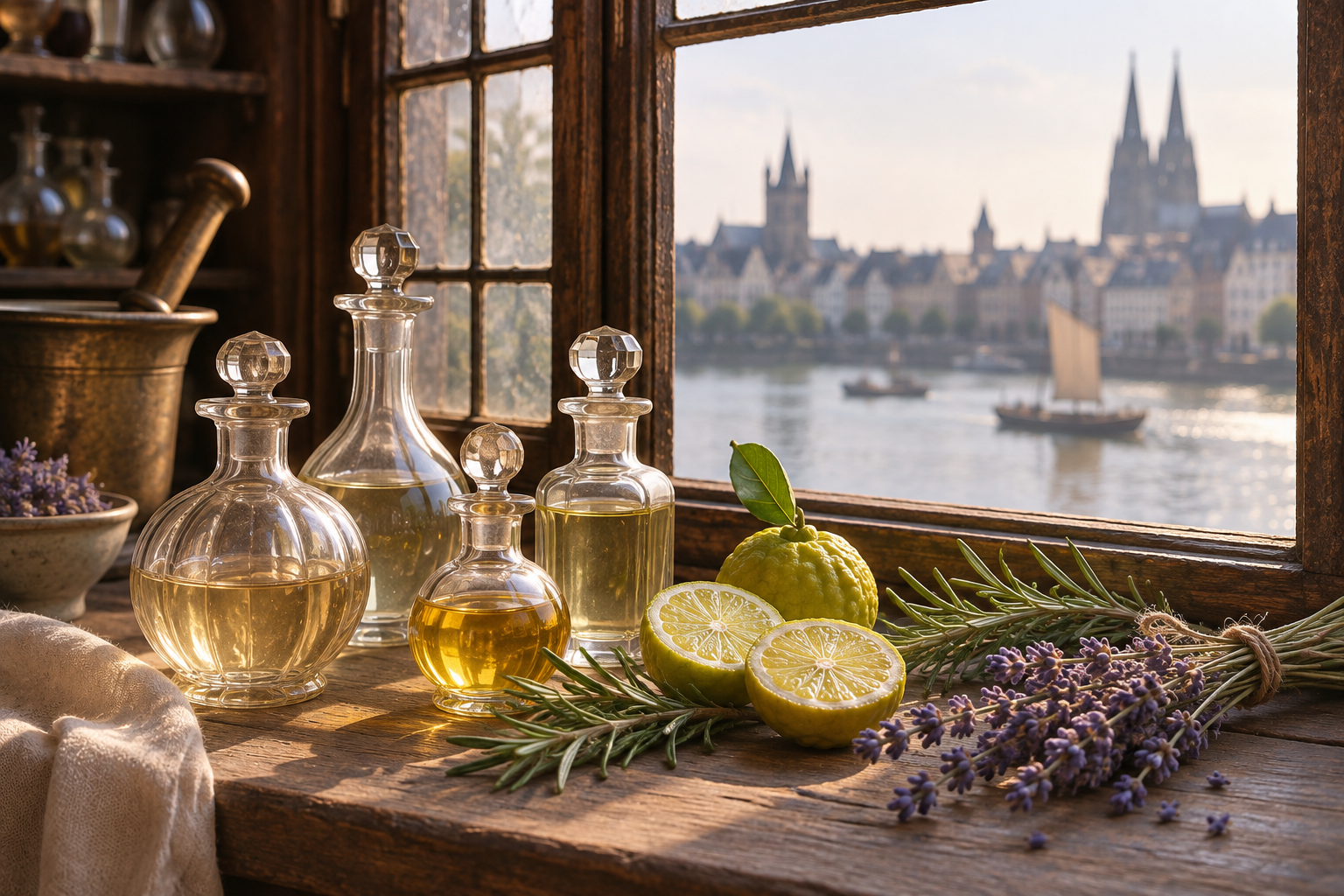
In the sixth installment of the series The History of Fragrances, we move to Cologne, where Giovanni Maria Farina introduced a light citrus water. Discover why it became popular after heavy court fragrances, how it was loved by Europe and Napoleon, and how the city's name became the title of an entire category.
The History of Fragrances Continues: What Europe Smelled Like Before Eau de Cologne
Welcome to the sixth installment of the series The History of Fragrances. In previous episodes, we followed how scents evolved from ancient rituals to the splendor of European royal courts. This time, we move north to Cologne at the beginning of the 18th century—a city whose name today graces an entire category of perfumes and is familiar to almost anyone who has ever closely examined a bottle label.
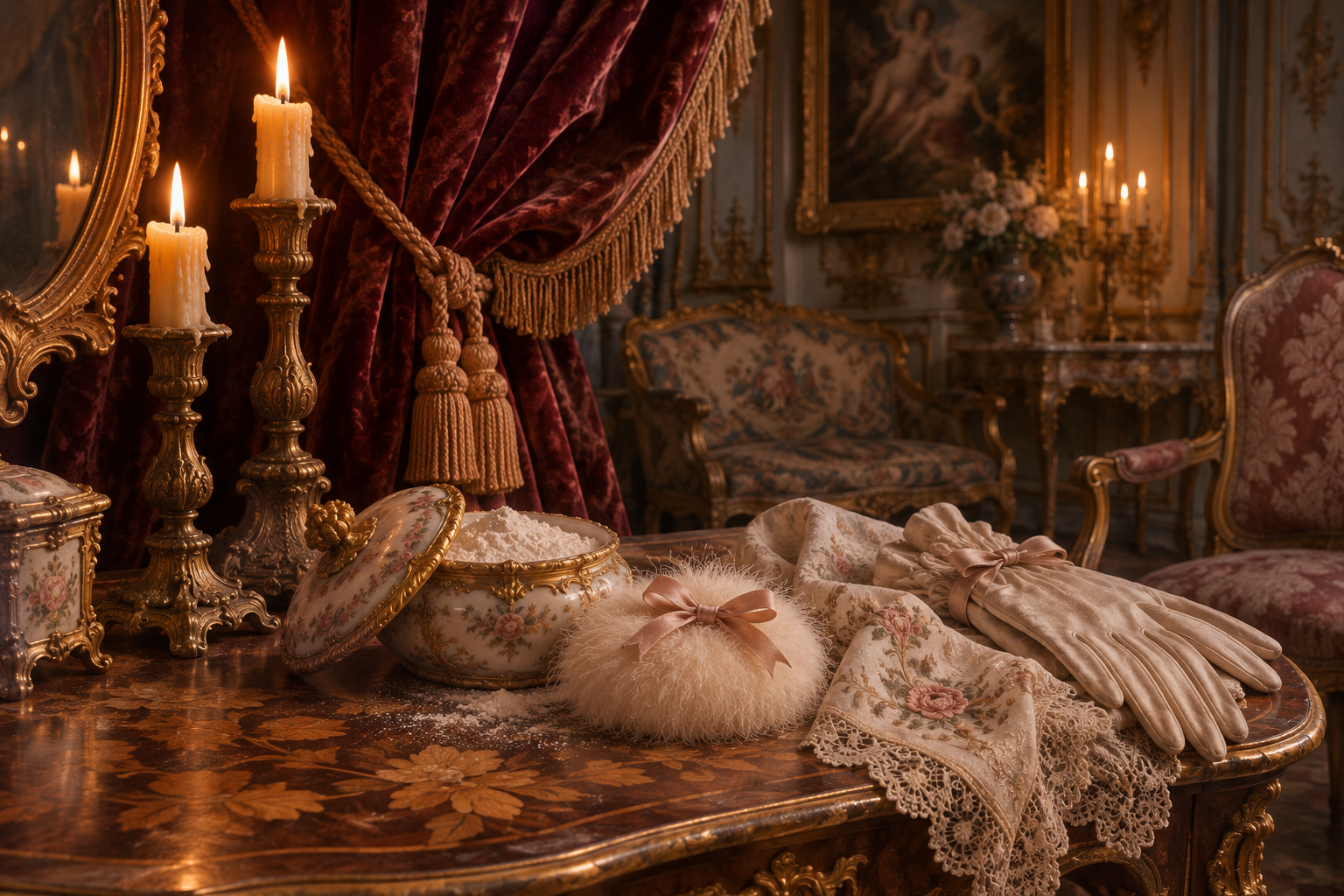
To understand why this new water could quickly captivate, let's recall where we left off last time. Europe in the 17th and early 18th centuries had a heavy scent. At royal courts, thick, powdery, and sweet mixtures were worn, with animal-derived ingredients like ambergris, musk, and civet playing a major role. Gloves, handkerchiefs, wigs, and clothes were perfumed, and the scent surrounded its wearer more like a dense veil than a light touch.
This preference also had a practical aspect. Bathing was not a common part of daily body care, and according to the medical beliefs of the time, water could weaken the body rather than benefit it. Hygiene was often replaced by clean linen, powder, and notably strong perfume. Fragrances often served to mask rather than refresh: they were meant to overpower the smell of the body, the streets, and crowded halls.
So what most commonly characterized the scents of that time?
- Intensity – the mixtures were strong and lingered long on fabrics and skin.
- Animalic notes – ambergris, musk, and civet gave compositions a warm, sensual, and sometimes overly heavy character for today's noses.
- Powderiness – perfumed powders for hair and wigs were part of fashion and social status.
- Opulence – fragrance was a sign of wealth and power, not personal comfort.
However, there was also another, less ostentatious tradition in Europe. Herbal and floral waters, prepared by distillation and often used as home tonics, had been known for a long time. Yet, they remained more in pharmacies and households than in social salons—there was a lack of water that elevated lightness and freshness to an elegant everyday accessory.
It is into this atmosphere that the story, which today's episode is devoted to, arrives. Imagine a trading city on the Rhine, where amidst heavy courtly scents, a clear, light water reminiscent of a spring morning appears. Who was behind it, why it captivated, and how its name spread across Europe will be revealed gradually—without complex technical terms, but with a range of connections that may change your view of an ordinary bottle of Eau de Cologne.
Giovanni Maria Farina: The Italian Who Brought Spring to Cologne
The story of Eau de Cologne doesn't begin in Cologne, but in the mountains of northern Italy. Giovanni Maria Farina hailed from the Vigezzo Valley in Piedmont, a remote alpine region near the present-day Swiss border. The families there had a long tradition of traders and craftsmen who went abroad for work and often passed their businesses down through generations. The Farina family was part of this environment.
Farina settled in Cologne, then one of the bustling trade cities of the Rhineland. The city was situated on a river that carried goods from many parts of Europe, and it had a wealthy bourgeoisie that could afford fine and luxurious goods. The family ran a business dealing in haberdashery and small luxury items—fragrant waters were initially just one part of their assortment. According to tradition, the business was founded around 1709. However, records from the early years of the company vary, so it's wise to take exact dates with a grain of salt.
Farina named his fragrant water after his new home—Eau de Cologne, or Cologne water. The name linked the product to the city, which had a good reputation among traders, while also reminding people of its origin. Paradoxically, one of the most famous terms in perfumery bears the name of a German city, even though its creator was Italian and drew inspiration from the landscape of his childhood.
It's worth noting that Farina didn't invent alcoholic fragrant water from scratch. In Europe, distillates and tinctures with herbs and citrus were being prepared at the time, used for refreshment and often as supposed remedies. Farina built on this broader tradition and refined it in his own way. His contribution is usually summarized in three areas:
- Lightness of composition – instead of heavy and intense scents, he opted for a delicate blend of citrus fruits and herbs that felt clean and fresh.
- Quality of ingredients – as a trader, he had access to essences from southern Europe and carefully selected their origins.
- Consistency of result – he aimed for each batch to smell the same, which was not a given in the era of handmade production and fluctuating harvests.
This is where the image of spring associated with Farina's water comes from. Fresh citrus tones with a herbal hint were more reminiscent of a morning in a blooming garden than a stuffy city salon—and this was new for Cologne at the time.
Remarkably, the Farina family business in Cologne still operates today. It ranks among the oldest still-functioning perfumery enterprises and has remained in the same city where Farina started over three centuries ago. If you ever visit Cologne, you can remember that the history of fragrances is not just a chapter from a textbook, but a story that continues to unfold.
Freshness Instead of Powder: Why Citrus Water Worked
Imagine a salon at the beginning of the 18th century: heavy fabrics, powdered wigs, and air saturated with musk, amber, or civet. Into such an environment came a fragrance that acted not like a veil but more like an open window. Eau de Cologne didn't rely on heaviness but on lightness – and that was its magic.
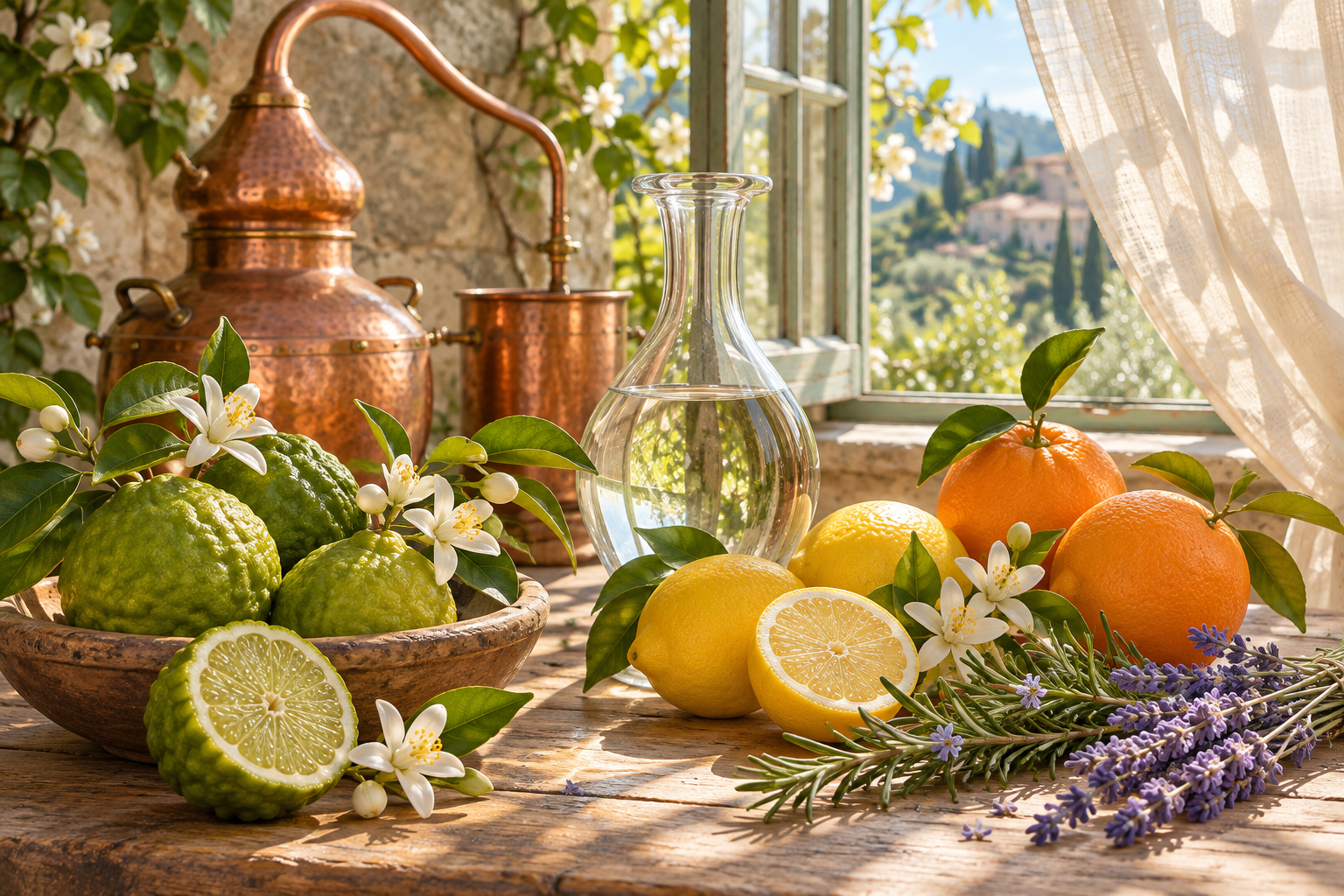
The base was made up of citrus fruits. Most commonly mentioned are bergamot, lemon, and orange, fruits whose oils are obtained by pressing the peel and which smell bright, juicy, and slightly bitter. These were complemented by softer notes that rounded out the freshness and added depth:
- neroli – oil from the blossoms of the bitter orange tree, floral yet clean,
- rosemary – herbal, slightly camphorous tone,
- lavender – an aromatic component well-known in Europe from pharmacies and households.
Everything was dissolved in alcohol. However, the exact ratio of ingredients or the complete list of components is not revealed by historical sources – recipes were guarded as family secrets, so today we can only describe the composition in general terms.
How did such water differ from the compositions of the time? Older fragrances relied on animal ingredients, resins, and spices, which lasted long on the skin and were noticeable from afar. Cologne worked the opposite way. In today's perfumery terms, one might say it relied primarily on top notes – those you smell first and which evaporate the quickest. The scent didn't last all day, but it felt clean, unobtrusive, and could be reapplied repeatedly. At a time when bathing was far from a daily routine, such a feeling of freshness was highly valued.
It's also interesting to note what citrus water was used for according to the customs of the time. It wasn't just cosmetics – similar alcoholic waters were often offered as a universal remedy for health and pleasure. It is said that:
- people refreshed themselves with it and applied it to their wrists, temples, or neck,
- it was added to water for washing or bathing,
- it was dripped onto a handkerchief, which was then carried near the nose in musty city streets,
- according to some reports, it was even taken internally, for example, a few drops on a sugar cube or in wine.
The last-mentioned habit seems strange today, but in the context of the medical practices of the time, it was not unusual. The line between the pharmacy and the dressing table was much less distinct in the 18th century than it is today. Modern colognes are, of course, intended solely for external use.
It is precisely the combination of lightness, a sense of cleanliness, and versatility that explains why citrus water became popular. It didn't impose itself, didn't overpower its surroundings, and was suitable for many occasions. Whether people of the time saw it as a refreshment or a small everyday luxury, it contributed to making citrus scents a lasting part of perfumery.
Napoleon's Favorite: Cologne Conquers European Society
From a water purchased by locals and passing merchants in Cologne, it became a fragrance known throughout Europe within a few decades. The fact that cologne water made its way from a single workshop on the Rhine to the dressing tables of nobility and wealthy bourgeoisie was due to a variety of circumstances—and one exceptionally famous personality.
Cologne was situated on a bustling trade route, with many merchants, pilgrims, and travelers moving along the Rhine and the roads surrounding it. Bottles of refreshing water naturally found their way to distant cities as souvenirs or gifts. A significant turning point came at the end of the 18th century when the city was occupied by French revolutionary forces. According to historical sources, French soldiers and officials grew fond of the cologne and took it home with them. In Paris, it became known as eau de Cologne, meaning "water from Cologne."
However, its greatest advertisement came from Napoleon Bonaparte. According to historical accounts, he used it in large quantities—not only for his morning toilette but also for refreshing himself throughout the day—and he carried it with him on military campaigns. The specific numbers mentioned in anecdotes about his consumption should be taken with a grain of salt. What is certain is that the emperor's fondness turned cologne into a fashion statement: what the court used, soon everyone who aspired to the court wanted to use as well.
Several avenues contributed to the spread of cologne across the continent:
- Movement of troops – the Napoleonic wars moved hundreds of thousands of people across Europe, along with their customs, from the Rhineland through Italy to Central Europe.
- Travelers and spa guests – the light water was easy to transport and useful for refreshing during long carriage journeys.
- Merchants – traders distributed it to large cities, where it was offered by pharmacists, glovemakers, and perfumers.
The success of the original formula was soon followed by other perfumers who began creating their own colognes. One of the most famous examples is the Parisian house of Guerlain. In 1853, they created Eau de Cologne Impériale, dedicated to Empress Eugénie, wife of Napoleon III. According to tradition, the empress became fond of it, and the house of Guerlain then became a supplier to the imperial court. The composition was based on the same principle as the original cologne—with clear, rapidly developing citrus notes that are not overwhelming.
Why did a single product become a symbol of an entire era? Cologne was not just a fragrance but also a social signal. It was used by men and women, officers as well as ladies at balls, aristocrats and successful bourgeoisie alike. Those who wore cologne signaled that they cared about cleanliness and a neat appearance and that they kept up with the times. Imagine that the same fresh scent accompanied the emperor on campaigns and his subjects on Sunday strolls—this very universality made it a phenomenon whose echo can still be found in perfumery today.
The Name Dispute: When Cologne Became a Category Name
Success has one downside – it attracts imitators. Once the citrus water from Cologne became a sought-after item in salons and on travels, other workshops in and around Cologne began offering similarly fresh water under similarly sounding names. Sources from that time mention dozens, later even hundreds of manufacturers who labeled their bottles as "Cologne water" and tried to ride on the reputation that the original brand had built over decades.
One particularly ingenious method was employed: traders sought out people who happened to be named Farina and paid them for the right to use their surname in the company name. As a result, several "Farinas" appeared on the market, who had nothing to do with the original family. The family business fought this legally, and the disputes over the name, trademarks, and authenticity dragged on throughout the 19th century. These cases are among the early examples of brand battles in the modern sense of the word.
The Number That Became a Brand
The most famous competitor from Cologne was the merchant Wilhelm Mülhens. According to records from the time, he also obtained the right to use the name Farina from one of the namesakes, leading to prolonged disputes. The company tradition likes to tell of a secret recipe that Mülhens supposedly received as a wedding gift from a monk – but it's wise to take this legend with a grain of salt, as historical evidence does not clearly confirm it.
The story of the number is more reliable. During the French administration of Cologne at the turn of the 18th and 19th centuries, houses in the city were given new numbers, and Mülhens' house on Glockengasse street was numbered 4711. When the company had to find a new designation after the legal disputes over the name Farina, they chose this number. Thus, a simple address became one of the oldest brands of Cologne water still in use today.
From One Manufacturer to a Generic Term
The more manufacturers used the word "Cologne," the less it referred to a specific house and the more it described a particular style of fragrance. Gradually, it became a generic name, even in other languages – the French eau de Cologne, the German Kölnisch Wasser, and the Czech "kolínská voda" today describe a type, not a manufacturer.
What does this term mean today? Generally, it refers to a light and fresh fragrance that has a lower concentration of aromatic compounds compared to eau de toilette or perfume, and therefore tends to last a shorter time on the skin. It often features citrus and herbal notes, similar to the base that made the original Cologne waters famous. So, if you see the label Cologne water on a bottle today, it carries a piece of history from a name dispute that once began in the streets of the Rhineland city.
In the next, 7th installment, we will move from commerce to the laboratory – synthetic molecules, Fougère Royale, and Jicky will change the rules by which perfumes are composed.
Category
Recommended articles
Riiffs Freeze in Flames: Ice and Flames Illuminate Warsaw "Give a girl the right shoes and she can conquer the world!" Marilyn Monroe
