


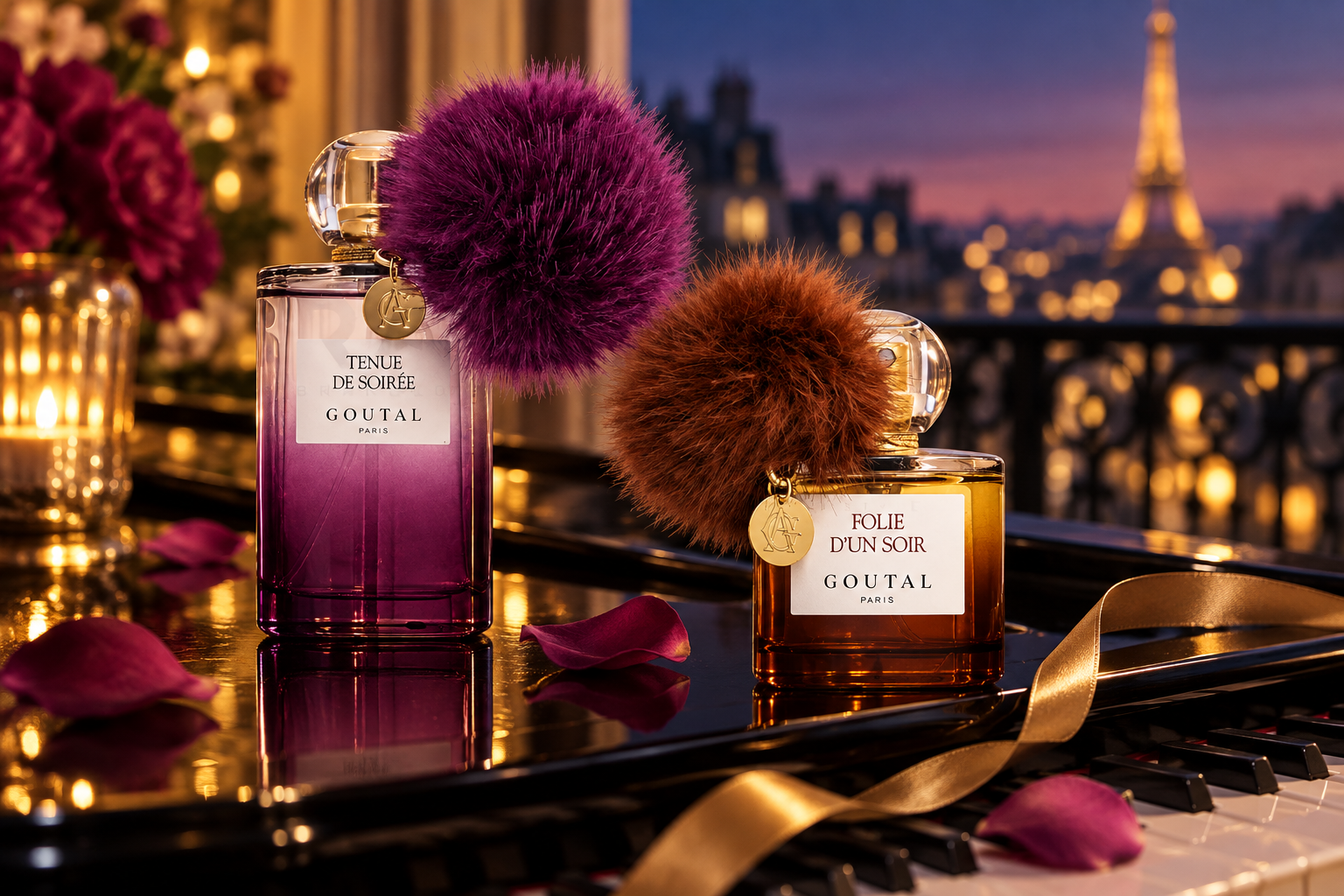
From concert piano to her own perfume house in Paris: discover the story of Annick Goutal and find out why her fragrances still exude a gentle, natural, and distinctly French charm.
From Concert Piano to the World of Fragrances – Who Was Annick Goutal
When you think of French perfumery, most of us imagine large fashion houses, striking advertising campaigns, and bottles familiar from shop windows. However, Annick Goutal's story begins elsewhere – at the piano. This Parisian had a classical music education and spent many years playing the piano. Her journey into the world of fragrances wasn't a pre-planned path but rather a result of curiosity and a willingness to start anew in a completely different field. From a musician who spent hours over sheet music, she gradually became a perfumer and the founder of a brand that still bears her name today.
The most interesting aspect of her story is how naturally she connected two seemingly distant worlds. Both music and perfumery work with the balance of individual components and how the overall impression changes over time. It's not a romantic legend but rather an example of how attention to detail, patience, and a keen ear can be transferred from one craft to another.
Why should this interest you, even if you don't collect niche perfumes or follow the happenings in perfumery? Because knowing who created a fragrance and with what intention helps you choose perfumes based on their true character – not just by the name on the bottle or the advertisement. Once you understand the philosophy behind a brand, it's easier to predict whether its style will resonate with you, and you'll better understand the descriptions of top, middle, and base notes.
In this article, we will guide you step by step through the journey:
- how her musical background influenced her approach to fragrances and where she learned the craft of perfumery,
- how her own Parisian perfumery was established and how the first compositions differed from the market at the time,
- what constitutes the brand's typical style and how to recognize it without looking at the label,
- how the founder's legacy continues today under the name Goutal Paris and how to choose your first fragrance.
We will stick to verifiable facts and avoid embellished stories that are often told about famous names. The goal is for you to have a better understanding of what lies behind perfumes with this name and know what to focus on when selecting them.
Musical Ear in the Perfume Workshop – A Journey to Grasse
Those who have dedicated years to classical music learn to listen differently than the average listener. A pianist perceives how individual notes harmonize, when a chord sounds pure, and when a single note disrupts the whole. This way of perceiving is reflected in how Annick Goutal approached fragrances. Instead of a score, she had bottles of raw materials in front of her in the workshop, but the question remained similar: how to arrange the individual voices so that they sound harmonious together.
According to available biographical sources, she learned the craft of perfumery in Grasse from an experienced perfumer. This town in the south of France is still referred to as the cradle of French perfumery. The production of fragrant substances here has a centuries-old tradition; jasmine, roses, and tuberose are grown in the area, and local workshops have developed methods over generations to extract scents from flowers. For a budding perfumer, it was an environment where one could learn directly from the source – getting to know the raw materials one by one, naming them, and remembering how they behave both individually and in mixtures.
Learning in the workshop resembles musical training more than it might seem. Just as a musician first practices scales, a budding perfumer learns to recognize individual raw materials before combining them. The workbench with rows of bottles is even traditionally called the perfumer's organ – the materials are arranged in tiers similar to the manuals and stops of the instrument.
The kinship between the two worlds is most evident in the vocabulary. When you read a perfume description, you'll encounter terms that could just as easily come from music theory:
- Note – an individual scent component or impression, such as citrus, floral, or woody. A perfume is described in top, middle (heart), and base notes, which gradually reveal themselves one after the other after application.
- Chord – the harmony of several materials that together create a new, cohesive impression. Much like in music, it's not just a simple sum, but a result that acts as a single entity.
- Composition – the overall structure of the perfume. The perfumer assembles it like a composer: deciding what will be heard at the beginning, what will carry the middle part, and what will remain as an echo.
- Harmony – balance, where no component overwhelms the others. Even a prominent material can disrupt the whole if in an inappropriate ratio.
For you as a reader, this provides a practical guide. Try to "listen" to the perfume over time – notice the first fresh notes after application, the heart after about half an hour, and the base, which lingers on the skin the longest, after several hours. This way, you'll better understand why a musician might be closer to perfumery than it first appears, and why the story of a pianist in a perfume workshop makes sense.
The Parisian Boutique and the Signature of the First Fragrances
In the early 1980s, Annick Goutal decided that she would not only create her fragrances but also personally present them to people. She founded her own perfumery and opened a boutique in Paris, which became the showcase of the entire brand. It wasn't just a shelf among dozens of other bottles – it was a space where perfume was chosen calmly, with explanations and often with a story about how each composition came to be.
This personal approach may seem obvious today, but it was not the norm in the market back then. Large perfume houses relied on advertising campaigns and wide distribution, while the small Parisian shop focused on conversation with the customer. Visitors could try the fragrance at their leisure, let it develop for a while, and only then make a decision. Thanks to this, the brand had a personal face from the beginning – it wasn't an anonymous name on a box, but a specific place and a specific person.
The first compositions already had a distinct signature. Instead of heavy, intoxicating accords, they offered scents that felt more like a breath of fresh air:
- Fresh citrus – lemon, grapefruit, or bergamot crafted to be not sharp, but clear and airy.
- Green notes – leaves, stems, and herbs that add naturalness to the scent and evoke a garden after a summer rain.
- Flowers handled with lightness – floral hearts without being overly sweet, more like a morning bouquet than a heavy powdery veil.
Such perfumes were worn subtly and close to the skin. They were not meant to dominate the entire room – they were meant to accompany the wearer and reveal themselves gradually throughout the day.
To appreciate how different this approach was, it's worth recalling what the market looked like back then. The 1980s in perfumery are associated with bold, dense perfumes – rich oriental and spicy compositions, powerful floral accords, and fragrances with great projection that left a long trail behind. Annick Goutal's signature went in the opposite direction. It relied on transparency and subtlety, and it was precisely this that set it apart among its loud contemporaries. If some heavy evening perfumes seem too dominant to you today, it's easy to understand why this lighter path found its admirers.
The appearance in which the fragrance reached customers was just as carefully considered. The brand's bottles reference antique vials – characterized by ribbed glass and an ornate stopper, which together look more like an object from a dressing table than ordinary industrial packaging. They were complemented by meticulously crafted boxes, in which the perfume was presented almost like a gift.
The bottle and packaging were not just a cover, but part of the brand's identity. They told the same story as the fragrance inside – of elegance that doesn't need to be loud. When you have the opportunity to hold such a bottle in your hand, notice how the appearance and content complement each other.
Delicacy, Naturalness, French Charm – What Defines the Goutal Style
When talking about Goutal fragrances, three words often come up: delicacy, naturalness, and French charm. These are not just marketing labels, but a description of the specific way compositions are crafted. Once you recognize this signature, you'll find it in other perfumes too – and you'll more easily understand why some scents appeal to you and others don't.
The foundation of the style is ingredients that most of us associate with nature and the Mediterranean. Citrus fruits like lemon, bergamot, or grapefruit bring brightness and freshness to the compositions. Flowers don't come across as a heavy bouquet, but rather like a bloom picked from a garden. Green notes evoke crushed leaves, grass, or stems, adding an airy quality to the scent. The result is a sense of naturalness: the perfume doesn't smell "manufactured," but like a place, a season, or a moment.
Each perfume unfolds in three phases. The top notes are what you smell immediately after application, the middle notes or heart form the character of the fragrance, and the base notes last the longest on the skin. In the Goutal style, these layers don't merge into a dense blend – the individual ingredients remain discernible, and the fragrance transforms smoothly, without abrupt changes. The base is usually light, woody, or softly musky, creating a subtle aura around you, rather than entering the room before you do.
Many of the brand's compositions were created as personal memories – of a journey, a garden, a loved one, or a specific moment. Therefore, the scents don't aim to impress, but to tell a story, often feeling intimate. This is where the French charm lies: elegance without ostentation, where less is more, and where the perfume complements the personality instead of overpowering it.
Today's market is dominated by gourmand fragrances with vanilla, caramel, or praline, and oriental compositions based on amber, oud, incense, or spicy notes. They tend to be warm, bold, and long-lasting – their strength lies in their richness and sweetness. The Goutal style takes the opposite approach: offering freshness instead of sweetness, transparency instead of density, and understated elegance instead of immediate impact. Neither approach is better; they simply suit different occasions and wearers.
A Brief Glossary of the Goutal Style
- Transparency – individual ingredients are discernible, the fragrance doesn't feel dense.
- Citrus Brightness – lemon, bergamot, or grapefruit in the top notes.
- Green Notes – a fresh impression of leaves, grass, or stems.
- Garden Flowers – floral scent reminiscent of a living bloom, not a powdery bouquet.
- Light Base – woods or musk that anchor the scent without overpowering it.
- Story – a fragrance inspired by a specific memory or place.
When you encounter several of these traits in another perfume, it's quite likely that you have a similarly styled, delicate French signature in front of you.


Goutal Paris Today – Continuing the Legacy and Tips for Choosing
The story of the brand did not end with its founder. After the death of Annick Goutal, her daughter Camille Goutal took over her legacy, continuing the creation together with perfumer Isabelle Doyen – a long-time collaborator of the house who knew its signature style from the inside. Both aimed to preserve the essentials: a transparent structure, carefully selected ingredients, and fragrances inspired by personal memories or specific moods. At the same time, they expanded the range with new compositions, introducing fuller, evening-oriented scents alongside fresh and floral perfumes.
Today, the brand is known as Goutal Paris. The new name emphasizes the Parisian origin of the house, but its core remains the same – elegance without ostentation and a focus on ensuring the perfume feels natural and does not overpower the wearer.
If you are just getting to know the brand, it helps to first clarify what kind of scent you are looking for. Whether you are drawn to the freshness of citrus or prefer a gentle floral composition, Goutal offers both – along with several more intense evening fragrances. To help you navigate the selection above, here is a simple guide:
- Fresh and Citrus: If you are looking for a perfume that feels airy and is suitable for the office as well as warm days, look for compositions with citrus and green notes. From the selection above, Eau de Monsieur has a refined, fresh character – a house classic that, despite its name, need not be seen as just for men.
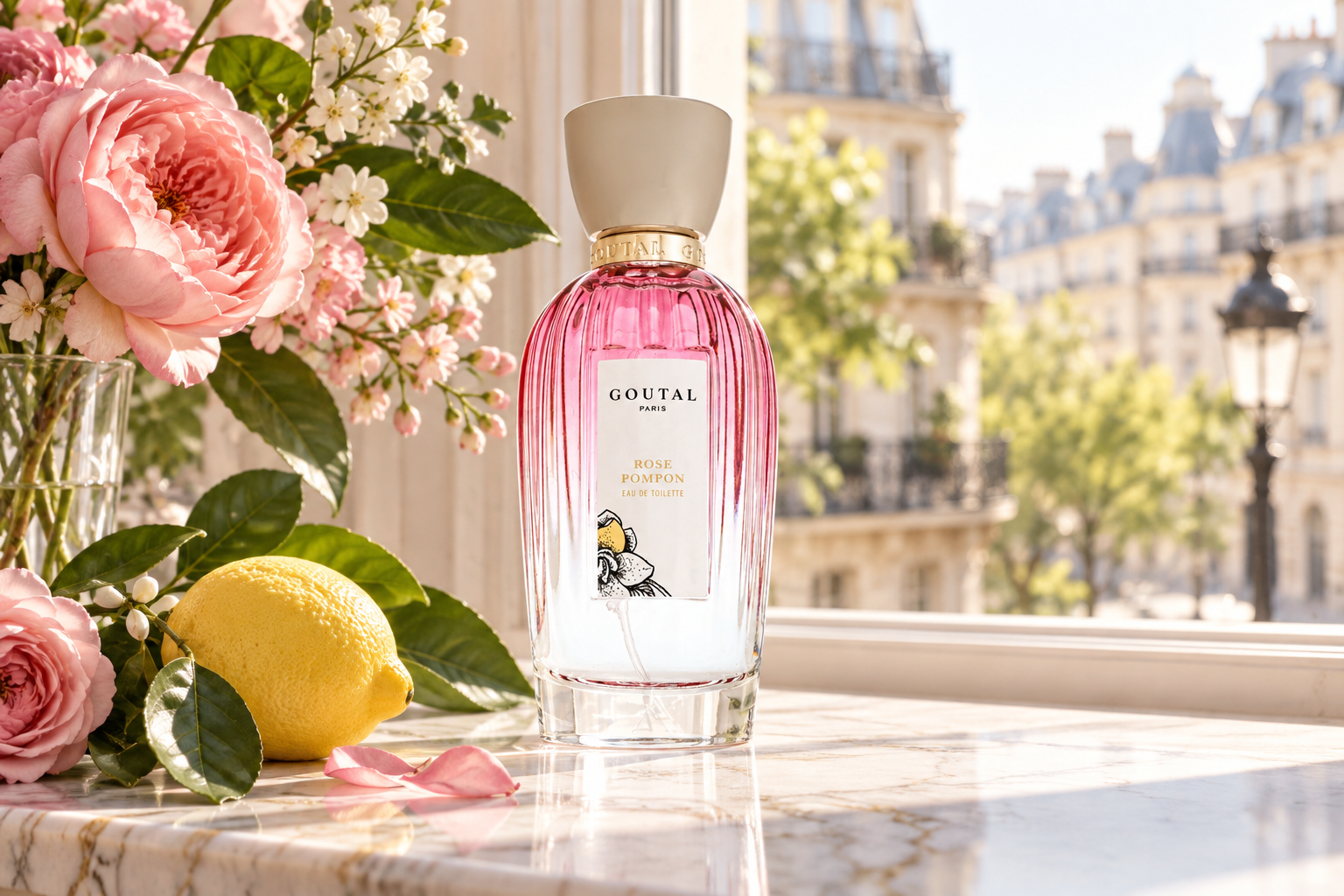
- Delicate Floral: If you prefer a softer, more tender expression, consider Petite Chérie with its playful fruity-floral character or Rose Pompon, which presents rose in a light-hearted and cheerful way.
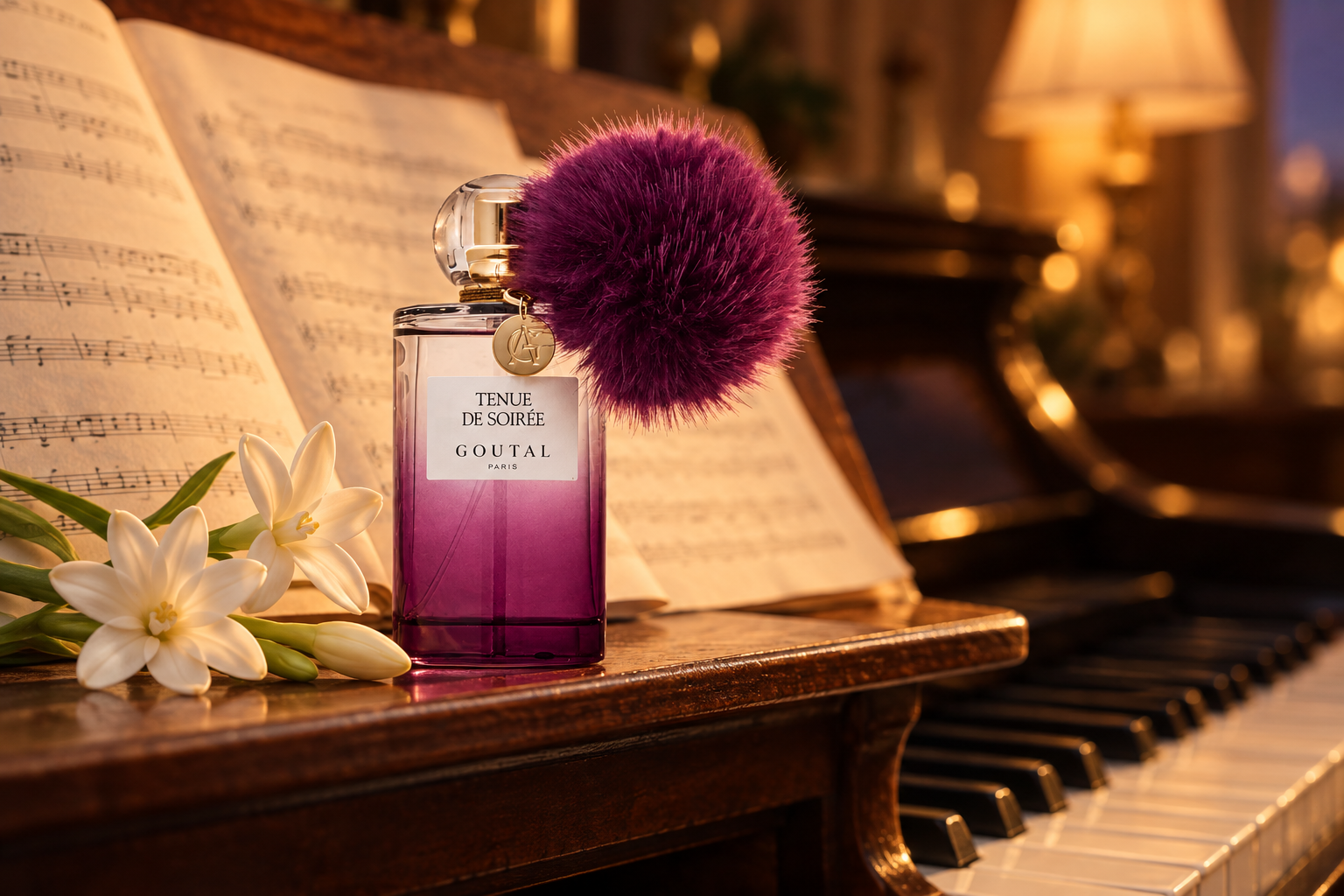
- Fuller and Evening: If you want a more pronounced scent for the evening or cooler months, explore the Absolu range – Ambre Sauvage Absolu and Rose Oud Absolu are based on amber and the combination of rose with oud, respectively. The evening mood is suggested by the names Tenue de Soirée and Folie d'un Soir.
Whichever you choose, give the perfume time. Goutal fragrances are built on a transparent structure, so their character fully reveals itself only after some time on the skin, when the top notes give way to the heart and later the base. Try the perfume on your wrist and observe how it changes throughout the day – only then will you know if it truly suits you.
If Annick Goutal's story has inspired you to further exploration, you can continue with Brasty's perfume offerings. In the Women's and Unisex categories, you will find a wide selection of floral and citrus compositions, and in the separate niche segment, brands that, like Goutal, rely on a distinctive signature and carefully chosen ingredients. Perhaps there you will discover a scent as close to you as the music from which this entire story originated.
Category
Recommended articles

"Give a girl the right shoes and she can conquer the world!" Marilyn Monroe