

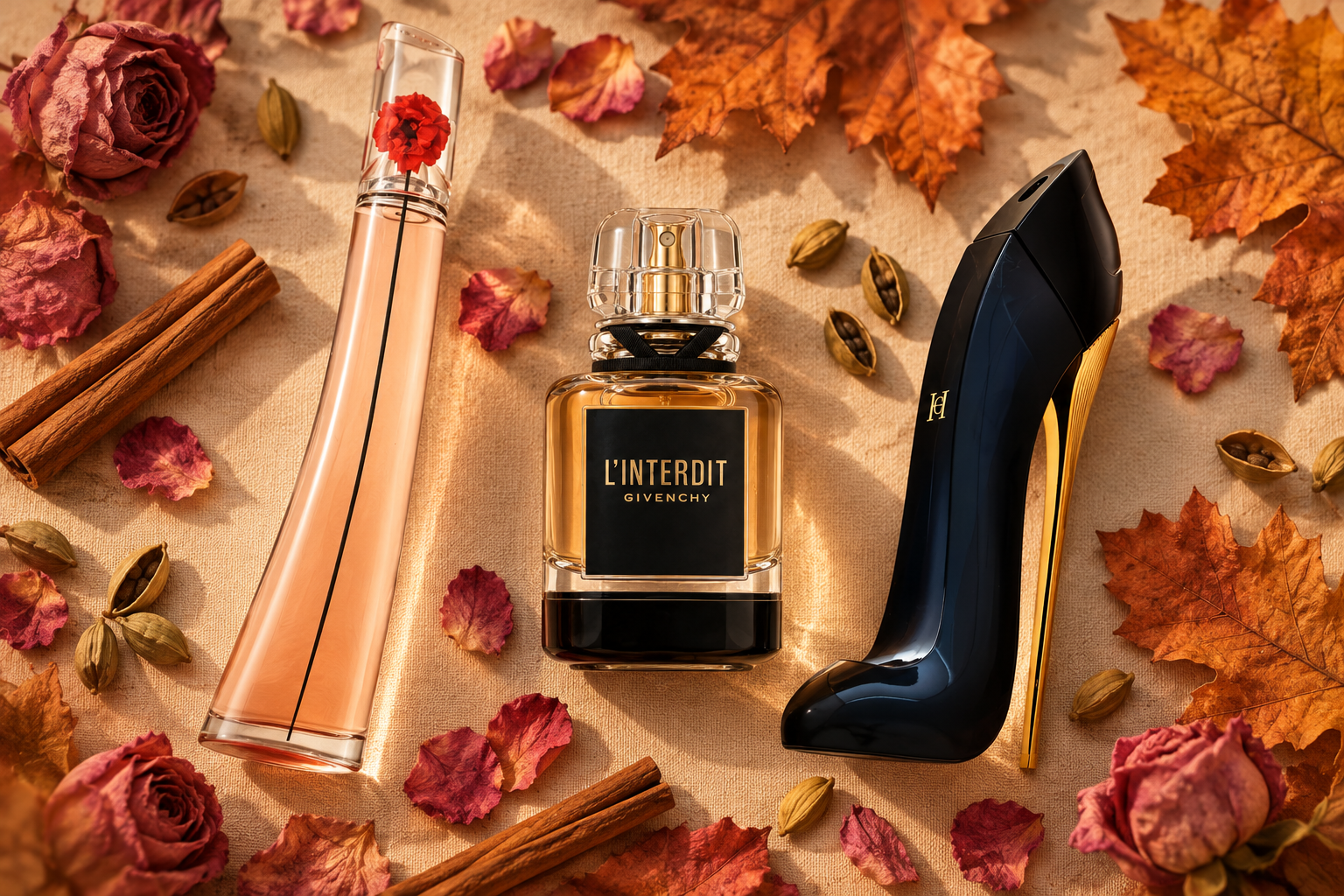
Autumn 2026 is all about warm and cozy scents – rose, patchouli, tonka bean, cardamom, and cinnamon. We'll show you which women's perfumes feature these notes and how to choose the one that matches your taste.
Autumn 2026 Smells Warm: Which Notes Are Gaining Popularity This Year
As the mornings become misty and the evenings shorter, what you reach for before leaving the house changes too. The fresh citrus and airy aquatic tones that made sense in summer now suddenly feel a bit cold and lackluster. In autumn, perfumes that are warming, have a fuller body, and last longer on the skin naturally come to the fore—much like swapping a light linen scarf for a soft woolen one.
This shift is particularly noticeable this year. The perfumes our customers are reaching for now frequently feature five notes: rose, patchouli, tonka bean, cardamom, and cinnamon. Each brings something different to the composition, yet together they create an image of autumn as we know it—velvety, spicy, and pleasantly rich.
Why now? In the cold air, fragrance evaporates more slowly and spreads less, so light and fleeting compositions can easily fade away. Fuller perfumes with spices, floral hearts, and sweet bases, on the other hand, have enough strength to develop even under a coat or scarf and accompany you throughout the day.
To help you navigate, it's useful to know where this year's notes typically appear in the fragrance pyramid:
- Cardamom and cinnamon usually make themselves known immediately in the top notes. They add a spicy sparkle and an initial impression of warmth to the composition.
- Rose is often the heart of the fragrance. It emerges in the middle notes after a few minutes and, depending on its accompaniment, can feel powdery, fresh, or dark and velvety.
- Patchouli belongs in the base notes. Its earthy, slightly woody scent anchors the composition and helps it last.
- Tonka bean also stays in the base. It smells sweet, a bit like vanilla and almonds, and adds a warm, gourmand finish to the perfume.
The interest in warm notes is also reflected in brands. This autumn, there is a significant rise in the popularity of women's perfumes from Chloé and Kenzo—both brands know how to work with floral tones to make them feel natural and wearable even in the colder months. Alongside them, Yves Saint Laurent maintains a steady presence, with its women's perfumes chosen year after year by customers for their boldness and elegance.
Trends are just a guide, not a rule. If rose doesn't suit you or you prefer lighter and powdery compositions, you don't have to set aside your favorite perfume just because it's autumn. Take this year's notes as inspiration—they might lead you to a fragrance you would otherwise overlook, or they might simply confirm that yours is the right one for you. In the following sections of the article, we'll advise you on how to recognize individual ingredients and what to consider when choosing among them.
Roses in Autumn: From Powdery Softness to Velvet Depth
The rose is often seen as a classic scent, reminiscent of a grandmother's dressing table. However, modern perfumers are reimagining it: instead of a solitary floral note, they contrast it with patchouli, amber, or spices. A warmer base adds depth and a velvety texture, while fresh fruits lend it lightness. This is why women often return to it in autumn, when it's time to reach for a coat and scarf.
When choosing, it's worth noting at which stage of the fragrance's development the rose becomes noticeable. In some, you'll detect it immediately in a soft, powdery form, while in others, it unfolds in the middle (heart) notes and blends into the base with musk or amber. For autumn, a simple guideline applies: the more woody and resinous tones support the composition, the darker and warmer the impression the rose leaves.
- Chloé Eau de Parfum – a top pick for lovers of powdery rose. After a fresh opening with peony and lychee, the heart reveals a rose rounded off by cedar and amber in the base. The result is clean and elegant, suitable for the office or afternoon meetings. If you've found rose too heavy in the past, this is a good starting point.
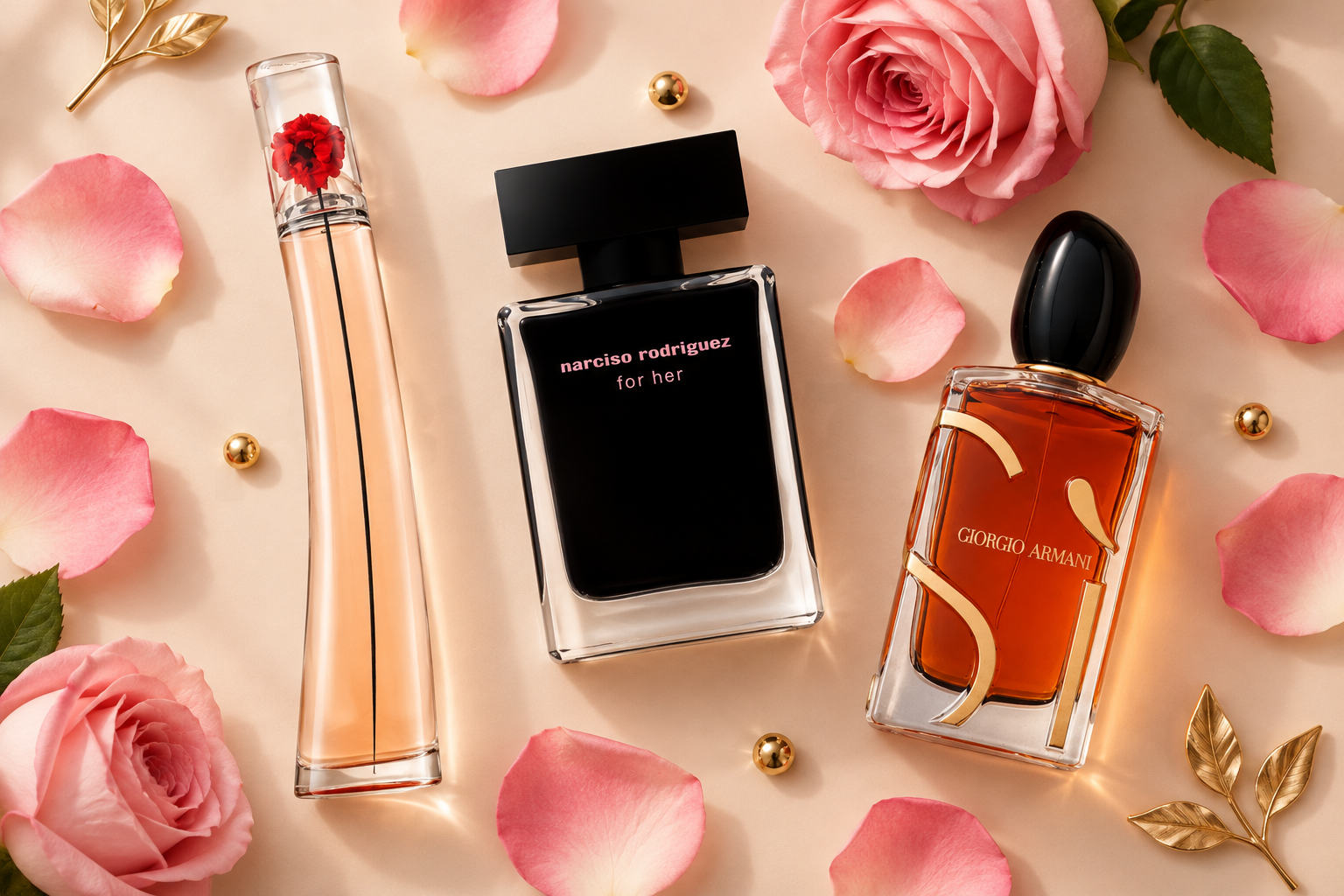
- Flower by Kenzo – a powdery floral fragrance where rose intertwines with violet. The rose is noticeable from the first moments, gradually softening and in the base, it's surrounded by vanilla, white musk, and a light incense touch. It's perfect for women who love soft, "cuddly" scents that linger beautifully on a scarf or sweater.
- Narciso Rodriguez For Her, Eau de Parfum – rose and peach make their presence known right at the start, then the brand's signature musk takes over, leaving a warm, slightly earthy impression in the base. The fragrance feels sensual but not ostentatious. It's appreciated by women who prefer to experience rose as a gentle touch rather than a dominant flower.
- Giorgio Armani Sí, Eau de Parfum – a darker version of rose for chilly evenings. A fruity opening with blackcurrant gives way to a heart of rose and freesia, which gradually dives into a base of patchouli and vanilla. If you're tempted by an even bolder expression, there's also the Sí Intense variant. It's ideal for women who enjoy confident, full compositions.
- Dolce & Gabbana Dolce Rose – a fresh counterpoint to darker compositions. Here, the rose is presented in a fruity and sparkling manner, without a heavy base, making it suitable for sunnier autumn days or for women who find richer scents overwhelming.
How do you know which type of rose is yours? If you love clean, powdery scents and wear perfume mainly during the day, start with Chloé or Kenzo. If you're drawn to a fragrance that unfolds into a velvety depth in the evening, focus on compositions where rose is supported by patchouli or amber. A reliable guide is always a skin test – rose manifests differently on each woman, so it's worth letting the perfume develop for a few hours before deciding.

Patchouli: The Earthy Base That Makes Scents Last
Patchouli has a reputation as a divisive note. For many years, it was primarily associated with heavy oriental perfumes and fragrances that filled the entire room. However, modern perfumery handles it much more delicately, which is why patchouli is increasingly appearing in autumn compositions—not only in bold evening perfumes but also in scents you can wear every day.
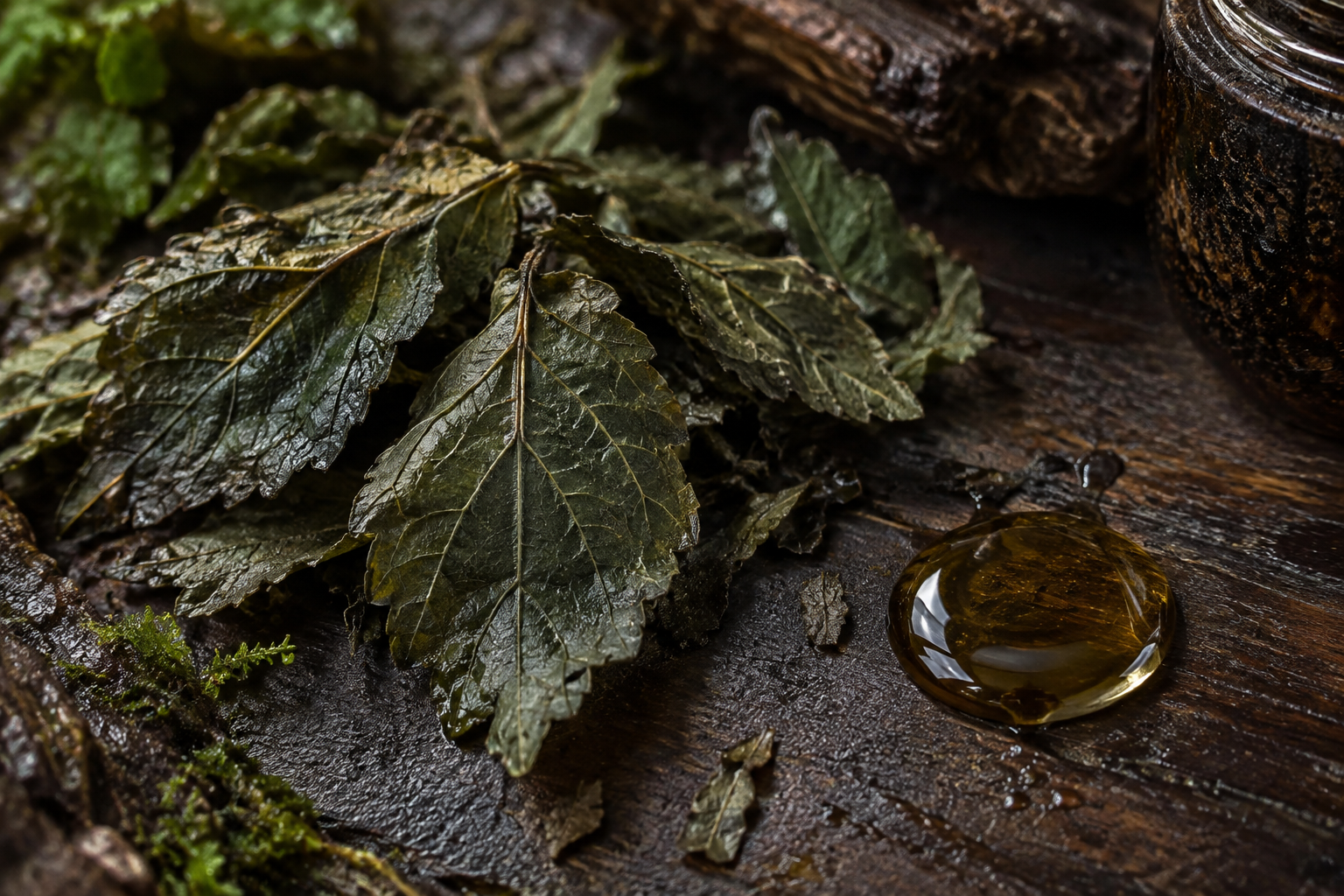
Patchouli is derived from the leaves of a tropical herb, which are first dried and then distilled. The resulting oil smells of damp forest soil, dry wood, and slightly of cocoa. It evaporates slowly, which is why patchouli is part of the base of a perfume: it supports lighter top and heart notes and helps the fragrance remain noticeable on the skin even after several hours. When it comes to a perfume's longevity, patchouli often plays a significant role.
Patchouli forms the backbone of several types of compositions:
- Chypre – A classic structure where a fresh citrus start transitions into a mossy and woody base. In modern chypre perfumes, patchouli often takes the lead, adding depth and a slightly bitter, elegant finish.
- Modern gourmand fragrances – Sweet notes of caramel, vanilla, or pralines might seem dessert-like on their own. Patchouli balances them with earthiness, keeping the result refined and mature.
- Darker floral perfumes – Roses, jasmine, or peony lose their spring lightness over patchouli and gain a velvety, autumnal character.
If you want to experience patchouli in practice, there are several tried-and-true perfumes to consider. Thierry Mugler Angel in Eau de Parfum is often regarded as one of the first modern gourmand perfumes. Sweet notes of caramel and vanilla are supported by a strong dose of patchouli, with roses emerging among the floral heart. It's a long-lasting scent more suited to cool evenings than an overheated office.
From the brand Yves Saint Laurent, the Eau de Parfum Mon Paris is worth trying. Juicy red fruits and a floral heart rest on a base of white musk and patchouli, making the fragrance romantic but not overly sweet. It's a good example of how patchouli can strengthen an otherwise playful composition.
Narciso Rodriguez offers a subtler approach. In the brand's women's perfumes, musk takes center stage, but the Eau de Parfum For Her is complemented by roses and a warm woody base where patchouli is also present. The scent remains soft and close to the skin, with patchouli acting more as a gentle shadow than the main voice. It's a suitable compromise for a first introduction to this note.
How do you know if patchouli suits you? The first clue is the perfume description—look for patchouli among the base notes. It becomes most prominent on the skin after the top notes have evaporated, so test the perfume on your wrist, not just on a paper strip, and give it at least an hour. If you're drawn to the scent of a forest after rain, bitter chocolate, or old wood, there's a good chance you'll enjoy this note. Conversely, if you prefer fresh and clean scents, start with perfumes where patchouli only complements a floral or musky heart. And apply sparingly—patchouli is a strong note, and one to two sprays are usually enough for long-lasting wear.
Tonka, Cardamom, Cinnamon: Warm Spices for Chilly Days
When the weather turns cold, many women reach for perfumes that evoke a cozy kitchen, a cup of spiced tea, or freshly baked cookies. These impressions are often created by three ingredients that have recently gained popularity: tonka bean, cardamom, and cinnamon. Each brings something unique to the composition, and together they give women's perfumes a gourmand and spicy character.
- Tonka bean has a sweet scent, reminiscent of almonds, vanilla, and dried hay. In the base notes, it rounds out sharper ingredients and adds a soft, creamy finish to the fragrance.
- Cardamom is fresh, slightly spicy, and aromatic. It appears mainly in the top notes, where it opens the fragrance and adds a sparkle without weighing it down.
- Cinnamon is the warmest of the three. It evokes Christmas pastries and mulled wine, adding a sensual and rich touch to the composition, which is why perfumers usually use it sparingly.
Gourmand or Oriental? Both fragrance families often overlap, but they are not the same. Gourmand fragrances are based on edible, "dessert" notes – vanilla, caramel, praline, coffee, or tonka. Oriental fragrances, on the other hand, work more with resins, amber, incense, and spices, creating a mysterious and festive feel, rather than a sweet one. Cinnamon and cardamom sit at the crossroads of both worlds: in a gourmand perfume, they evoke pastries, while in an oriental one, they add depth and warmth.
Spices don't have to take center stage. Even in a predominantly floral perfume, a small dose can give roses or jasmine a warmer, autumnal touch. If you're new to spicy fragrances, compositions where spices accompany flowers can be a good first step.
For inspiration, you might try these directions:
- Yves Saint Laurent Opium – a classic among spicy oriental perfumes. Here, warm spices blend with resins and vanilla, resulting in a confident and evening-ready scent.
- Carolina Herrera – a brand where you'll find sweeter women's compositions, where gourmand notes soften a floral heart. Perfect for those who want warmth without strong spices.
- Paco Rabanne Olympéa – a line built on the contrast of creamy vanilla and a subtly salty accord. More concentrated versions of this line tend to have a richer and longer-lasting finish.
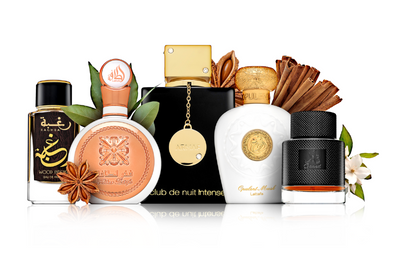
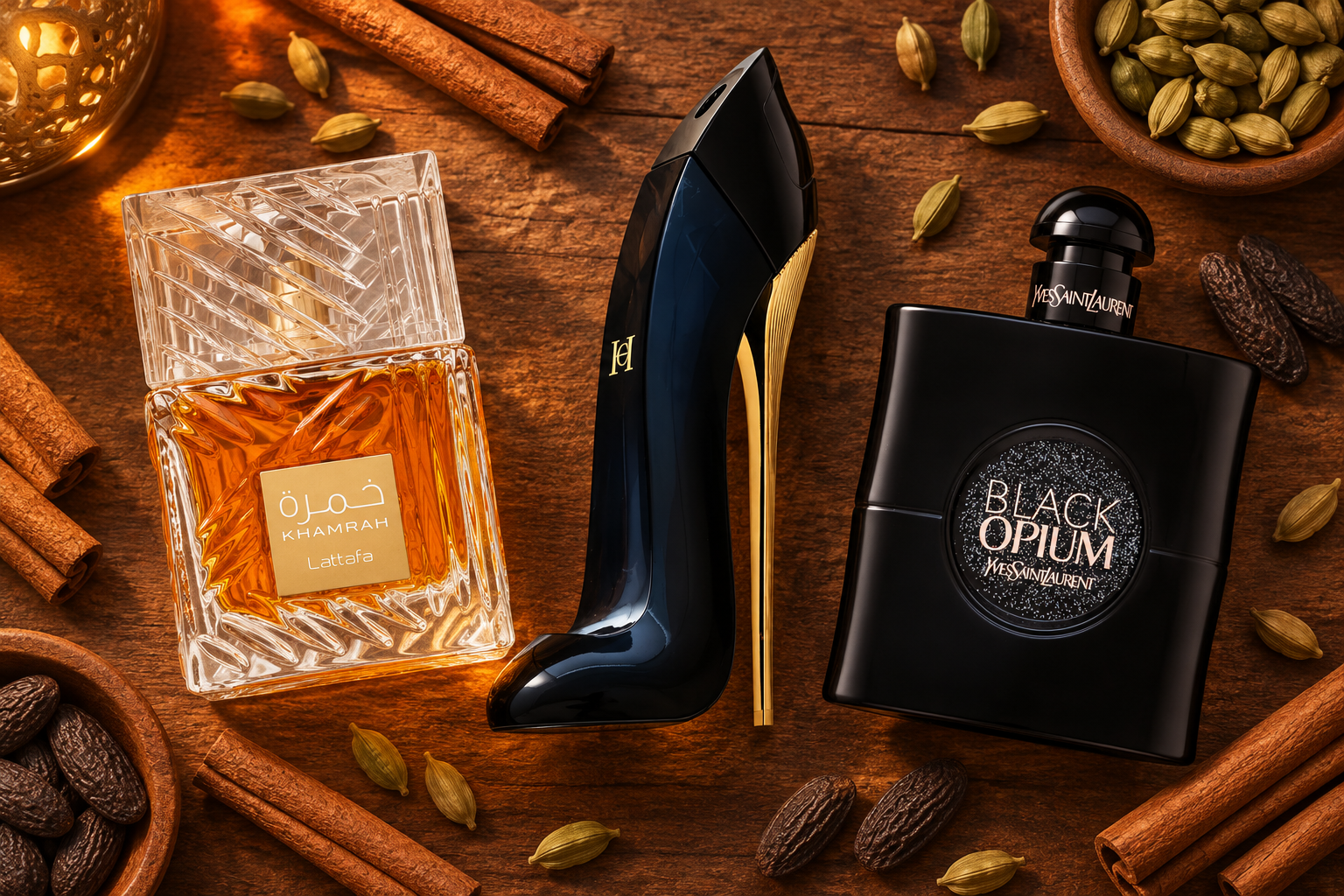
- Lattafa Khamrah and Lattafa Khamrah Qahwa – more affordable Arabian perfumes that combine cinnamon, dates, praline, and tonka; the Qahwa variant adds cardamom and coffee. They are marketed as unisex but appeal to many women with their gourmand character.
Stronger spices, especially cinnamon combined with resins, are more suited for evening and cold weather. In the frosty air, the fragrance unfolds slowly and naturally, whereas in an overheated office or closed room, it can become too dominant. During the day, a more moderate dose is usually sufficient, while in the evening, you can afford a bit more.

How to Choose an Autumn Perfume That Matches Your Style
Trends can be a good guide, but the perfume you wear all season should primarily resonate with you. Whether you're drawn to florals or warm spices, there's a note among this year's autumn fragrances that will suit you. Simply clarify which type of scent you instinctively return to.
- Do you love floral scents? Look for rose – in autumn, perfumers often base it on warmer notes, making it feel fuller than in summer compositions.
- Are you attracted to earthiness and depth? Patchouli is your note, anchoring the composition and adding distinctiveness.
- Are you a fan of sweet, gourmand fragrances? Focus on tonka with its notes reminiscent of vanilla, almonds, and caramel.
- Want spice with a touch of lightness? Try cardamom, which is fresh yet warm.
- Longing for a scent that warms like a cozy blanket? Choose cinnamon, which gives the perfume an oriental warmth.
Test perfume on your skin, not just on a strip. A test strip helps make an initial choice, but the true character of a fragrance reveals itself in contact with the skin, as each skin type develops it slightly differently. Apply perfume to your wrist or elbow crease and don't rub – rubbing makes the top notes evaporate faster. Initially, you'll mostly smell the top notes, the heart opens after about half an hour, and the base notes, such as patchouli, tonka, or amber, stand out after several hours. Therefore, it's worth not deciding in the first minute and wearing the scent for a while. During one testing session, try no more than two to three fragrances, or they will start to blend together.
Eau de Parfum or Eau de Toilette? Eau de Parfum contains a higher concentration of fragrance ingredients, making it more intense and usually longer-lasting on the skin. In autumn, when heavier bases and warm spices are prominent, it's often a more practical choice for evenings and chilly days. Eau de Toilette is lighter and suitable where you don't want the fragrance to be too noticeable – like in the office or on warmer Indian summer days. If you're tempted by an even more intense experience, some fragrances are also available in a perfume variant with the highest concentration.
Five tips from Brasty's selection – one for each note:
- Rose: Dior Miss Dior – an Eau de Parfum with a heart of rose complemented by other delicate flowers and a soft base. Perfect for those who want a floral scent with elegant subtlety.
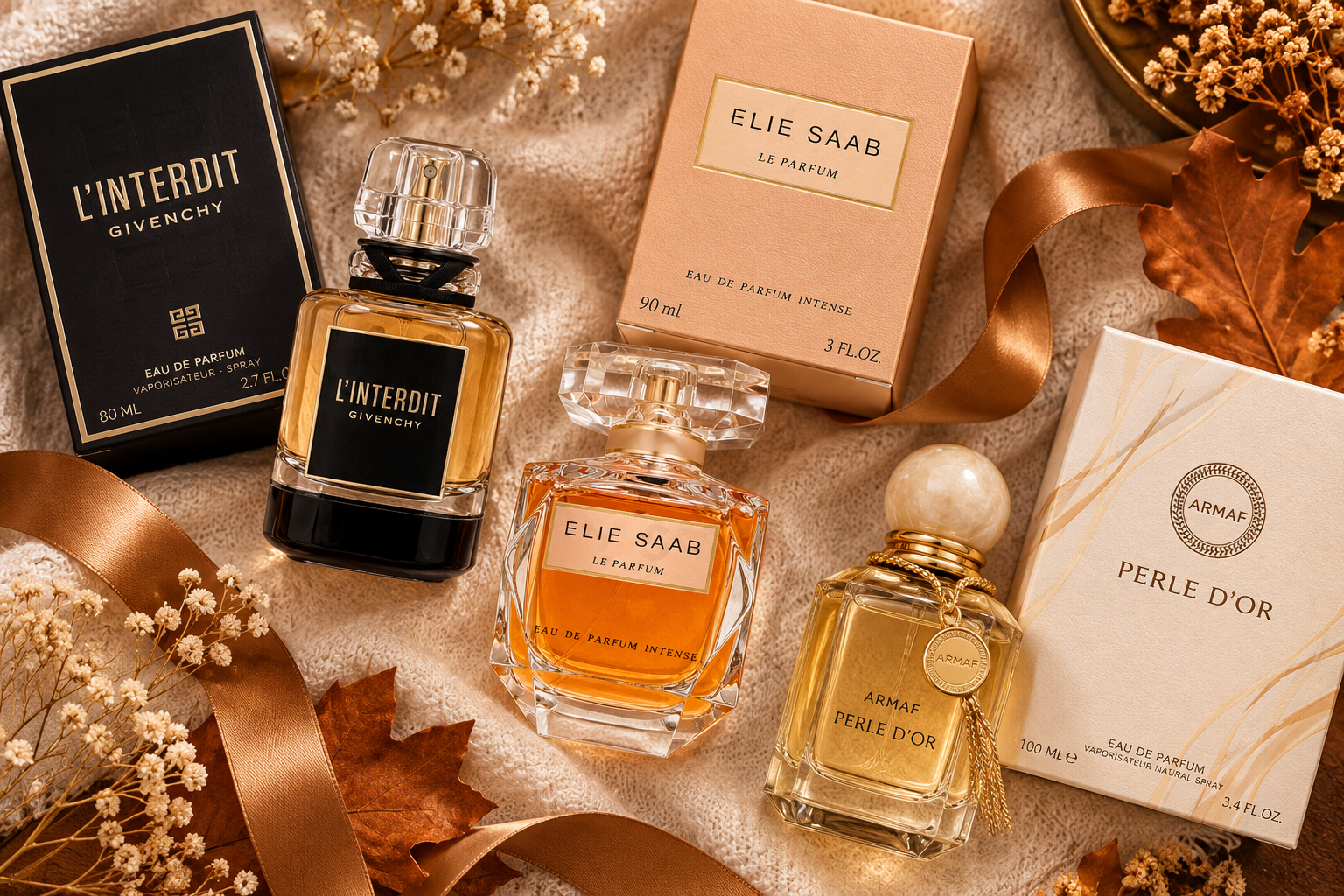
- Patchouli: Givenchy L'Interdit – an Eau de Parfum where white flowers like orange blossom, tuberose, and jasmine contrast with a dark base of patchouli and vetiver. Suitable for those who like flowers with a more pronounced undertone.
- Tonka: Carolina Herrera Good Girl – an Eau de Parfum where tonka blends with cocoa and vanilla in the base. A choice for lovers of gourmand fragrances with evening charm.
- Cardamom: Versace Crystal Noir – top notes feature cardamom with ginger and pepper, the heart belongs to gardenia, and the base is amber and woody. For those who want spice in a gentler, floral presentation.
- Cinnamon: Lattafa Khamrah – a unisex Eau de Parfum that can be worn by both women and men. Cinnamon and nutmeg open the composition with notes of dates and pralines on a vanilla base. Suitable if you're looking for a warm oriental scent with a gourmand touch.
If you're unsure whether your chosen note will last the entire season, you don't have to immediately opt for the largest bottle. Many perfumes in Brasty's selection are available in smaller sizes or samples, allowing you to experience the fragrance without a big commitment. Gift sets often combine the perfume with other products in the same scent, such as body lotion, so you can enjoy it in multiple forms – or gift it to someone who loves autumn fragrances as much as you do.

Category
Recommended articles

"Give a girl the right shoes and she can conquer the world!" Marilyn Monroe