




Dry and chapped lips in winter are a common problem for almost everyone. We'll explain why this happens, which ingredients to focus on, and how to layer care and creamy lipstick to keep your lips supple.
Why Winter Lips Crack Before the Rest of Your Skin
You know the drill: it's freezing outside, you carefully apply face cream in the morning, add makeup, and your face looks fine. But your lips are speaking up. First, they feel slightly tight, then tiny flakes appear, and one day you find that every smile stings at the corners. Winter lips have their own rhythm and usually make themselves known first—before you notice dryness on your cheeks or forehead.
It's not by chance or because you're not taking care of yourself enough. Lips are anatomically a special area that differs from other skin in several ways. Once you understand how their skin is different, it will become clearer why they need their own care and why it's worth spending a few extra seconds on them.
How lip skin differs from the rest of the face:
- It's significantly thinner. Lip skin has only a few layers of cells, whereas on the cheeks or forehead, there are considerably more. That's why tiny blood vessels show through, giving lips their typical pink color—and why any irritation is noticeable more quickly.
- It doesn't have sebaceous glands. Facial skin creates a thin oily film throughout the day that protects it from drying out. Lips lack this natural feature, so no one "from within" takes care of them.
- It's protected by only a thin protective layer. The outer keratinized layer, which elsewhere acts as a shield, is very thin on the lips. Moisture escapes from them more quickly, and their resistance to external influences is lower.
- It's constantly in motion. You talk, smile, eat, drink—your lips stretch and contract many times a day. Once they start drying out, they lose elasticity, and small cracks can easily appear in the most stressed areas, typically at the corners.
The result is that lips lose water faster than the surrounding skin and have fewer resources to retain it. In warmer months, this isn't as noticeable, but winter highlights their weaknesses—and that's why dryness shows up here first.
So why isn't it enough to just swipe your lips with the face cream you have on hand? Face creams are designed for skin that can provide part of its own protection. They tend to be light, absorb quickly, and leave the skin feeling pleasantly fresh. But lips lack their own oily film to complement such care, and the light texture quickly disappears with eating, drinking, and talking. Lips, therefore, appreciate products with a different texture—thicker, more adhesive, and ones that last even when you're not thinking about them.
The good news is that lip care isn't complicated or time-consuming. You just need to know what harms them in winter, which ingredients truly help, and how to combine care with color so you don't have to give up your favorite lipstick. Whether you're someone who carries lip balm in every pocket or only remembers your lips when they start burning, even a few simple changes can provide noticeable relief.
Frost, Wind, Heating – Why Lips Lose Moisture
Winter attacks your lips from multiple angles. Outside, they're exposed to frost and wind, while indoors and at the office, they face dry air from heating – and throughout the day, you transition between these environments several times. Each of these factors alone can deplete moisture from your lips, but together they create conditions where tightness and peeling appear much faster than in other seasons.
- Frost. Cold air contains little moisture, and skin struggles to retain water in it. Lips, which cannot protect themselves with natural oils, dry out quickly and lose elasticity.
- Wind. Flowing air removes moisture from the surface of the lips even faster. That's why tightness often occurs after just a short walk or trip to the bus stop, especially when the wind blows directly into your face.
- Heating. Heated rooms tend to have very dry air in winter. Lips lose water subtly but persistently throughout the day and even during sleep if you heat your bedroom fully.
- Lack of fluids. In the cold, thirst is less noticeable, so it's easy to drink less than your body needs during the day. The skin on your lips is one of the first to notice.
However, the most damaging factor for lips is the alternation between cold and warmth. When you enter a heated room from the cold, your skin warms up quickly, and water evaporates from its surface faster. If this happens several times a day, the thin protective layer of your lips gradually deteriorates and cannot regenerate in time. On such a weakened surface, small cracks form. Moreover, lips are constantly in motion – stretching when speaking, eating, and smiling, which makes the cracks easily widen and deepen. A tiny crack can turn into a painful sore within a few days, which heals slowly.
The good news is that lips usually warn you in advance. It's worth paying attention to these signals:
- Tightness. A feeling of tightness, especially after returning indoors or waking up, is often the first sign that your lips lack moisture.
- Flakes. Small peeling pieces of skin indicate that the surface of your lips is drying out faster than it can renew itself.
- Red corners. The corners of the mouth are constantly in motion and retain moisture from saliva, making them sensitive to winter conditions. Redness or stinging in these areas often precedes cracking.
- Uneven surface under lipstick. If the color on your lips appears uneven, settles into lines, and highlights dry spots, it's a sign that your lips need more care than usual.
If you catch these signals in time, usually just adjusting your daily care routine is enough for your lips to recover soon. If you overlook them, you'll be dealing with painful cracks that require more time and patience. And if the sores don't heal even after a long period of regular care, it's advisable to consult a doctor.
Panthenol, ceramides, oils, waxes – ingredients that protect your lips
When you're standing in front of a shelf filled with lip balms, nourishing lipsticks, and oils, the packaging usually promises hydration, nourishment, and protection. However, the real effectiveness of a product is often revealed by the list of ingredients on the back. You don't need to be a chemist – just know that winter lip care revolves around three tasks: adding moisture, replenishing the weakened barrier, and sealing it all under a protective film. A well-formulated product typically combines all three.
Moisture is provided by so-called humectants – substances that attract water. On labels, you'll find them as panthenol (provitamin B5), hyaluronic acid, or glycerin. Panthenol is often found in regenerative balms from pharmacy cosmetics because it soothes the skin and supports its renewal. However, humectants alone are not enough in cold and dry air – if nothing covers them, moisture will quickly evaporate from the lips. Therefore, they should not stand alone in the product.
The barrier is restored by lipids that resemble the skin's natural composition. Ceramides are part of the building blocks of the skin's protective layer, and when they are depleted, the skin dries out and cracks more easily. Plant oils, such as sunflower, almond, jojoba, or argan, play a similar role. They soften the lips, smooth out small flakes, and restore their elasticity. That's why oils appear not only in balms but also in lip oils and creamy lipsticks.
A protective film is created by occlusive ingredients: beeswax, plant waxes (candelilla, carnauba), shea and cocoa butter, lanolin, or petroleum jelly. They act like a lid – slowing down the evaporation of water and protecting the lips from wind and frost. A thick balm with a higher proportion of waxes and butters is suitable for night or outdoor use in freezing weather, while lighter textures dominated by oils are better under lipstick.
It's equally important to know what to avoid, especially when your lips are already cracked and sensitive:
- Menthol, camphor, and eucalyptus – they provide a pleasant cooling sensation and feel refreshing, but on damaged skin, they can sting and irritate.
- Strong fragrances and aromas – scents like mint, cinnamon, or citrus are enticing, but sensitive lips may react with redness and tightness.
- Products with lip-plumping effects – the mild tingling that creates volume is more of a burden than care for cracked lips.
If your lips tingle or burn after applying balm, it's not a sign of effectiveness but an indication that the product is not suitable for you right now.
It's worth reading the ingredients of colored products with the same scrutiny. A creamy lipstick is essentially a combination of waxes, oils, and pigments – and if it also contains nourishing ingredients like plant oils, shea butter, or hyaluronic acid, it treats the lips similarly to a tinted balm. A simple rule can help: ingredients are listed on the packaging from highest to lowest concentration. So, if oils, butters, and waxes are at the top of the list and irritating substances are nowhere to be found, you have a product that will support your lips in winter rather than dry them out further.

From Balm to Creamy Lipstick – Layering Step by Step
Beautifully made-up lips start with care, not color. When lipstick settles into lines in winter and flakes off after a few hours, the issue is often in the preparation rather than the shade itself. The following steps will help you layer care and color so that your makeup lasts and your lips don't dry out.
Evening: Preparation and Rich Night Layer
- Gently loosen flakes. Once or twice a week, after washing your face, lightly run a soft damp washcloth or a brush with soft bristles over your lips, or use a gentle lip scrub. Don't scrub – the goal is to only loosen what is already coming off. If your lips are cracked or burning, skip the scrub and focus on care first.
- Apply a rich balm at night. In the evening, you can afford a thicker layer of a denser balm or barrier cream that stays in place overnight and doesn't need to be absorbed. Extend it slightly beyond the lip line and into the corners, where the skin tends to crack most often.
Morning: A Lighter Base Under Color
- Wipe off the remaining night care. In the morning, a greasy film remains on the lips. Gently remove it with a tissue or cotton pad – your lips are softened from the night, so any remaining flakes will come off with it.
- Choose a lighter morning layer. A thin balm or a colorless caring lipstick will soften the lips without creating a slippery layer that color would slide off. Let it sit for a few minutes, perhaps during breakfast or while doing your eye makeup.
- Oil as an intermediate step. Lip oil adds shine and a feeling of comfort. If you're planning to apply color, just a drop pressed into the center of the lips is enough; you can wear it alone anytime during the day instead of gloss.
- Blot excess before color. Once the care on your lips is visibly shiny or slippery, press a tissue to your lips and gently press them together. Moisture stays in the skin, excess grease transfers to the paper, and the lipstick holds its shape and outline better.
- Apply creamy lipstick. Start in the center of your lips and spread the color towards the corners. For a more natural and comfortable result, you can tap it in with your fingertip – a thin layer holds better than a thick one.
Why creamy texture? Long-lasting matte liquid lipsticks form a firm film once dry, which lasts long on healthy lips, but on dry and cracked ones, it highlights every flake and can make lips feel tight. Creamy lipsticks are softer, more flexible, and move with the lips, making them a more comfortable choice in winter. If you don't want to give up the matte effect, reserve it for shorter occasions and prepare your lips thoroughly beforehand.
During the Day: Refresh Without Layering Up
Color gradually fades from the lips with eating and drinking. Before adding another layer, gently wipe off the remnants of lipstick and smudged care with a tissue – the new layer will sit on a clean base and won't clump into lines. If your lips feel tight in the meantime, first apply a thin layer of balm, wait a moment, blot the excess, and then refresh the color. In the evening, remove all makeup and end where you began – with rich night care.
Winter Habits That Harm Your Lips – Plus Our Recommendations
Even the most carefully chosen balm will reach its limits if you unknowingly burden your lips every day. Most winter habits are so automatic that you only notice them when the corners of your mouth burn and flakes can't be covered even with lipstick. The good news is that there is a simple alternative for each of them.
- Licking your lips. Saliva moistens the lips for a moment, but it quickly evaporates, taking some moisture from the skin with it. In the cold and wind, dryness tends to worsen. Instead of using your tongue, reach for a balm – even a thin layer will help more than repeated licking.
- Picking at flakes. Tearing off a piece of skin often reveals a sensitive spot underneath, which can easily crack or bleed. It's better to soften protruding flakes with a generous layer of balm and let them loosen on their own or during gentle care.
- Biting and nibbling your lips. This often comes with stress or concentration, and small wounds heal more slowly in winter. Keeping balm within reach helps – the applied layer will remind you to leave your lips alone.
- Going out into the cold without protection. Applying balm outside at the bus stop is often too late. Provide a protective layer to your lips while still at home, ideally a few minutes before leaving, and in strong cold or wind, you can even cover them with a scarf.
- Breathing through your mouth in the cold. A stream of cold air further dries out the lips. When walking or exercising outside, try to breathe through your nose if possible.
It's most effective to have balm where you'll actually use it. One in your handbag or coat pocket for reapplication during the day, another by your bed so you don't skip a more generous layer at night. If you spend the day in an office, another piece in your desk drawer will save you many hours of discomfort.
Lips also react to how much you drink and the air you breathe. Regularly drinking water or unsweetened tea throughout the day is essential – in winter, it's easy to forget because you don't feel as thirsty as in summer. At home, it's worth monitoring air humidity: a humidifier, a bowl of water by the heater, or regular short ventilation can help. Your skin will appreciate more pleasant air, not just your lips.
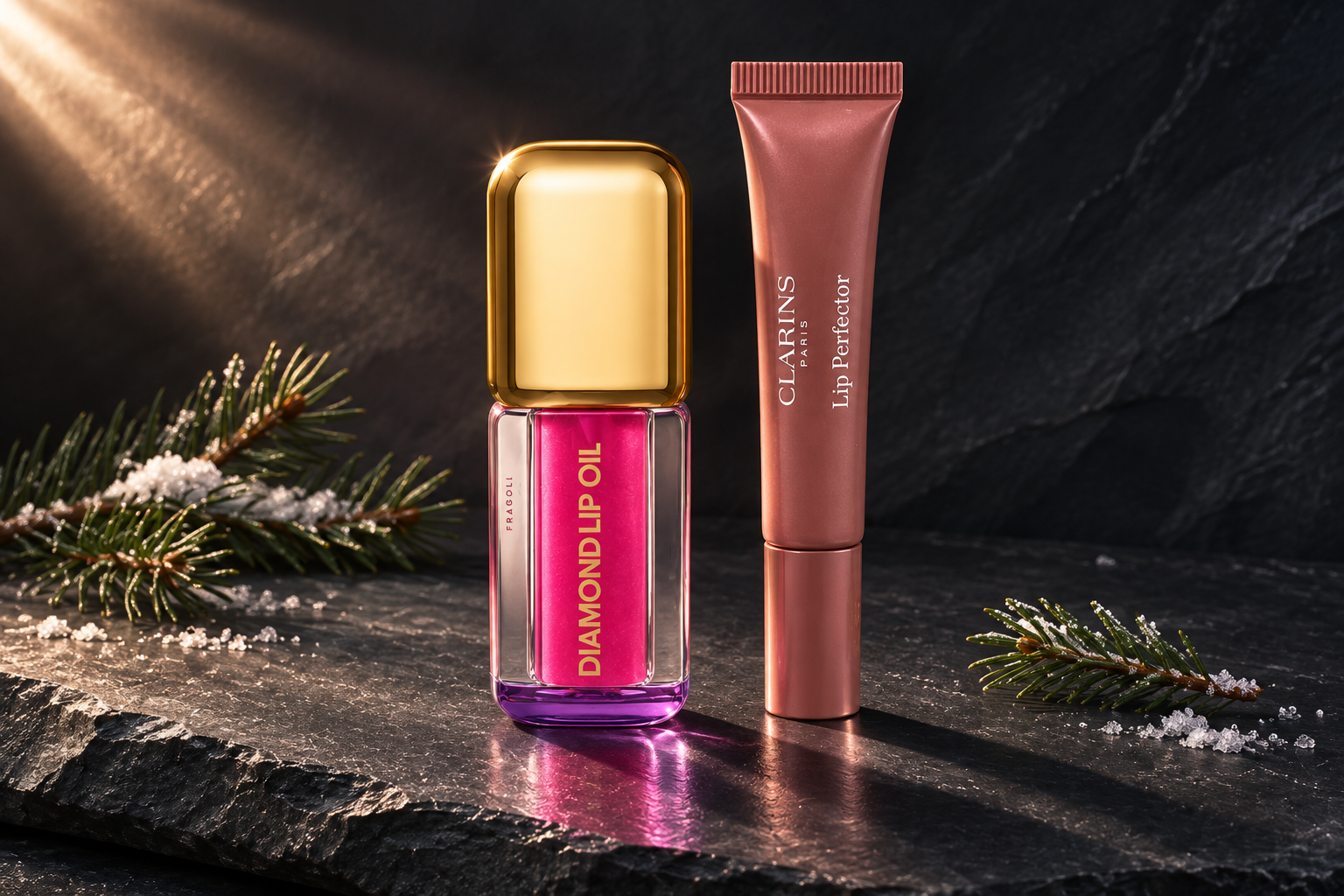
If you want to create a winter lip care routine, you can choose from two groups. For restoration and protection, regenerating balms and barrier creams from pharmacy cosmetics are suitable – you'll find brands like La Roche-Posay, Bioderma, and Uriage, which focus on dry and sensitive skin. They are especially useful at night and for cracked corners. During the day, when you want to add color or shine to your lips, you can opt for nourishing lipsticks and lip oils from brands like Lancôme, Clarins, or Dermacol, which combine care with a subtle effect.
Whatever you choose, regularity helps your lips the most – a thin layer of care several times a day does more than one big intervention when they are already cracking.

Category
Recommended articles

"Give a girl the right shoes and she can conquer the world!" Marilyn Monroe
