


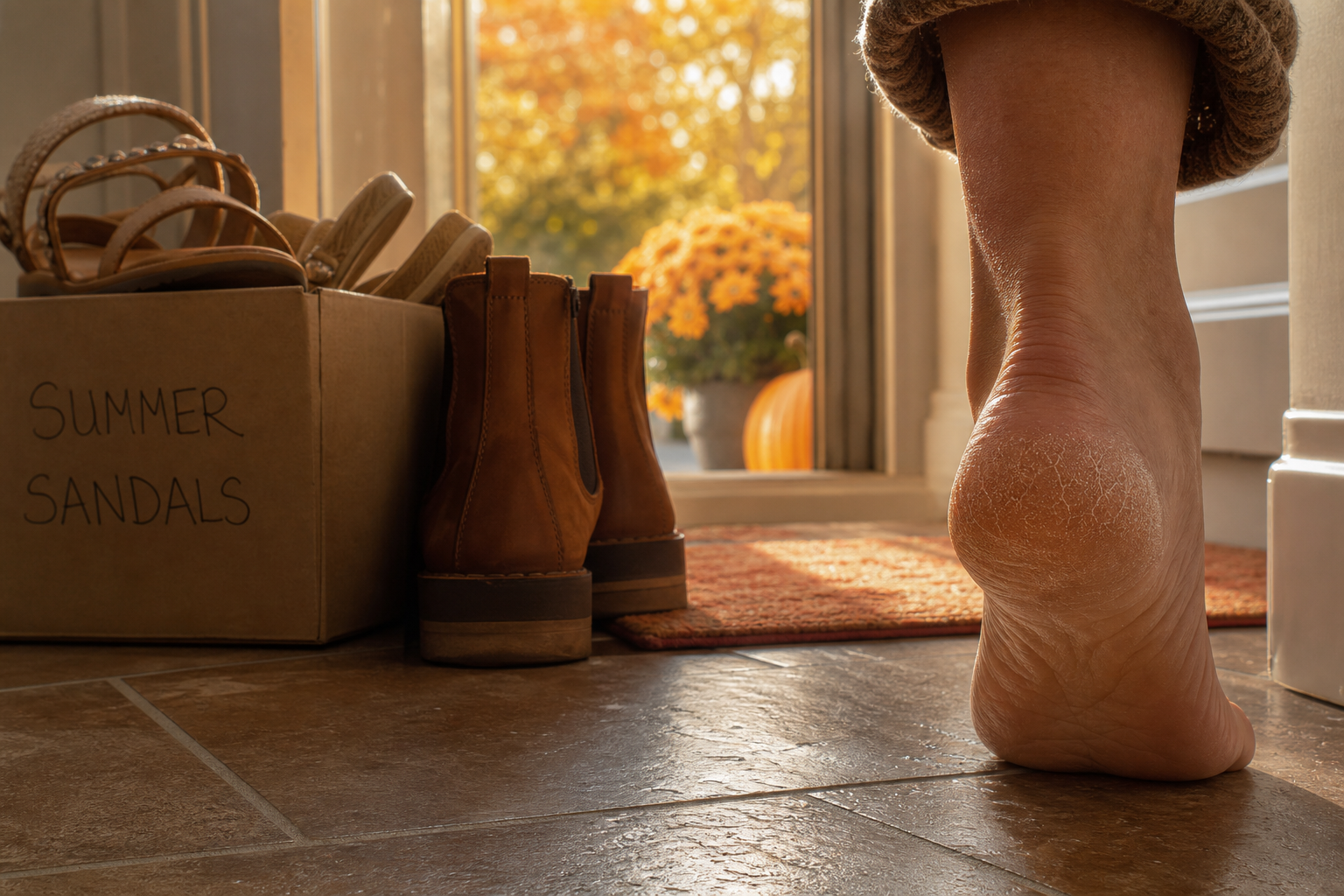
The end of summer means transitioning from open-toed shoes to closed footwear – and with it, dry, rough heels. In this article, we'll show you an evening care routine from shower oil to body balm to foot cream, all achievable in just a few minutes a day.
The End of Sandal Season: Why Your Heels Are Dry in Autumn
The end of summer has its own ritual: sandals are packed away, closed shoes are brought out, and on your first walk in the cooler morning air, you notice something unpleasant rubbing against your heels. It's not a coincidence or just a bad day. It's more like the result of several months where your feet have been unprotected – in open shoes, on hot asphalt, sand, and pool tiles.
Open footwear exposes the skin of your feet to dry air and mechanical pressure. The skin on your heels responds in the only way it knows how: it thickens. A tougher layer of calloused skin forms, which serves as protection over the summer but gradually loses moisture and elasticity. As long as you're wearing sandals, you won't notice much – the skin has space and nothing is pressing against it.
The change comes when you return to closed shoes. The rough heel suddenly rubs against the inner material all day, the sock presses around it, and areas that were just dry become sensitive. Add to that the heating in the office, longer showers in warm water, and lower humidity outside – all of which draw moisture from the skin faster than it can be replenished. The instep reacts similarly: the strip of skin that got used to freedom over the summer now endures the pressure of the shoe's edge.
The good news is that this transitional period can be managed without dramatic interventions. The less pleasant news – at least for those seeking a one-size-fits-all solution – is that one cream won't solve the problem alone. Calloused skin first needs to be softened, then replenished with lipids, and only then specifically treated in areas where the layer is thicker. That's why it makes more sense to consider a short evening routine rather than relying on a single product.
In practice, this involves three steps that together take just a few minutes:
- Cleansing oil instead of regular shower gel – it cleanses the skin without stripping it of oils, so the skin doesn't feel tight after a shower.
- Body balm for the entire legs, including insteps and calves – it replenishes moisture and lipids where a targeted heel cream can't reach.
- Foot cream as the final, more concentrated layer for heels and the edges of the feet.
The order is not arbitrary. Further in the article, we'll go over how to choose and layer each step so they don't interfere with each other. If you want to assemble the entire routine at once, it's worth starting in the Body Care category – you'll find cleansing oils, body balms, and targeted foot creams side by side, and you can compare them based on ingredients, volume, and price per milliliter, not just by packaging.
And one more practical note before we dive into the ingredients: the evening time is not random. Overnight, the skin is free from the pressure of shoes, the cream doesn't rub off on socks while walking, and feet don't need to be immediately shod. Those who get used to it can complete the entire care routine between showering and bedtime without adding anything extra to their routine.
What to Look for in a Cream for Rough Heels
The skin on your feet behaves differently from the rest of your body. The outer layer is significantly thicker because it needs to withstand daily stress, and there are practically no sebaceous glands to help maintain the natural lipid film found elsewhere. After months in open footwear, friction from straps and faster moisture evaporation add up, resulting in a rough surface that a light body lotion only temporarily moisturizes. The difference between a body cream and a heel cream is not just marketing: they differ in the ratio of water to fats, the density of texture, and whether the formula is aimed more at softening the calloused layer or replenishing missing lipids.
When you go through the labels of products for dry skin, which are among the most sought-after in our range, three groups of ingredients repeatedly appear. Once you can identify them, the selection narrows down from dozens of packages to two or three that make sense for your situation.
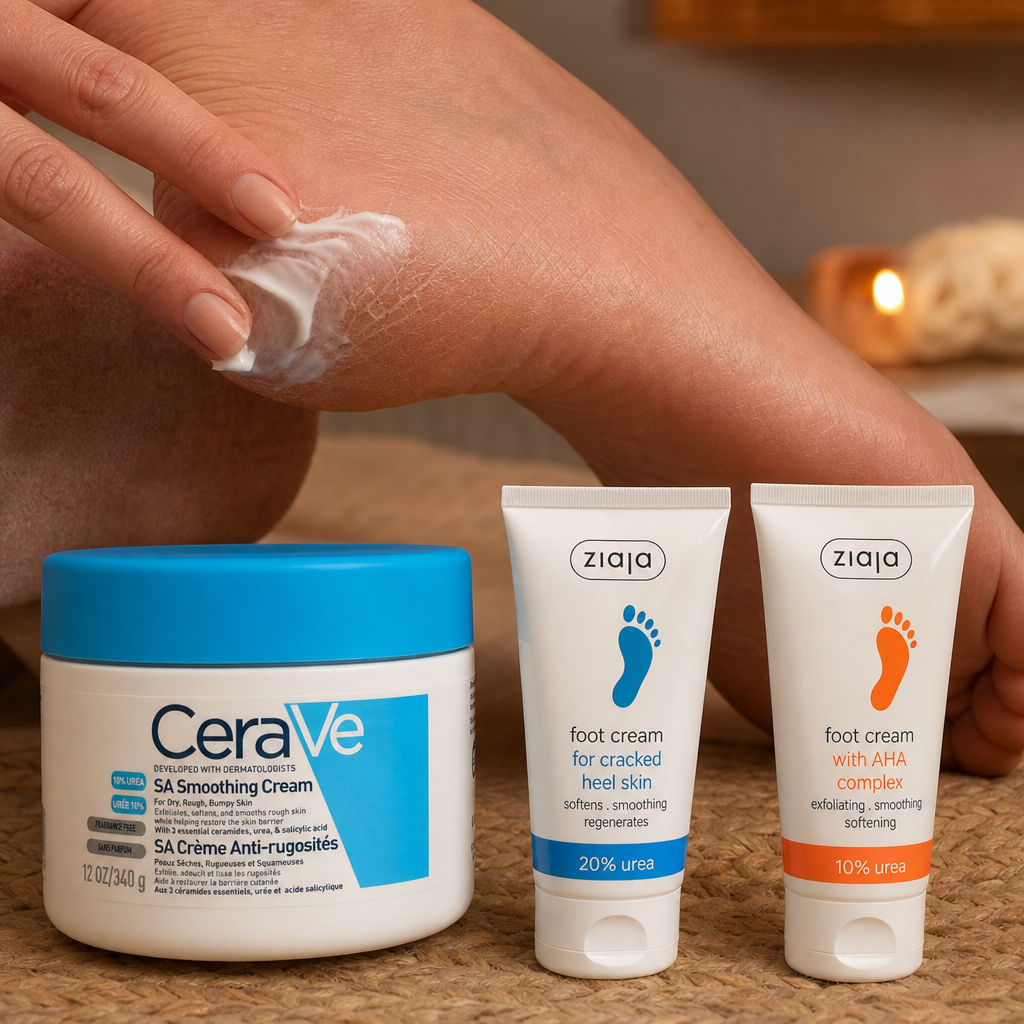
Salicylic Acid is used in body cosmetics for gradually softening rough areas. It works on the surface of the outer layer and, combined with a moisturizing base, helps smooth the texture of heels. A typical example is CeraVe SA Smoothing Cream 340 g – a thick cream that can also be used on elbows and knees. Don't expect a transformation after just one night; regular application over weeks is meaningful. Such a product is not suitable for cracked or otherwise damaged skin – in such cases, consulting a doctor is advisable, not cosmetics.
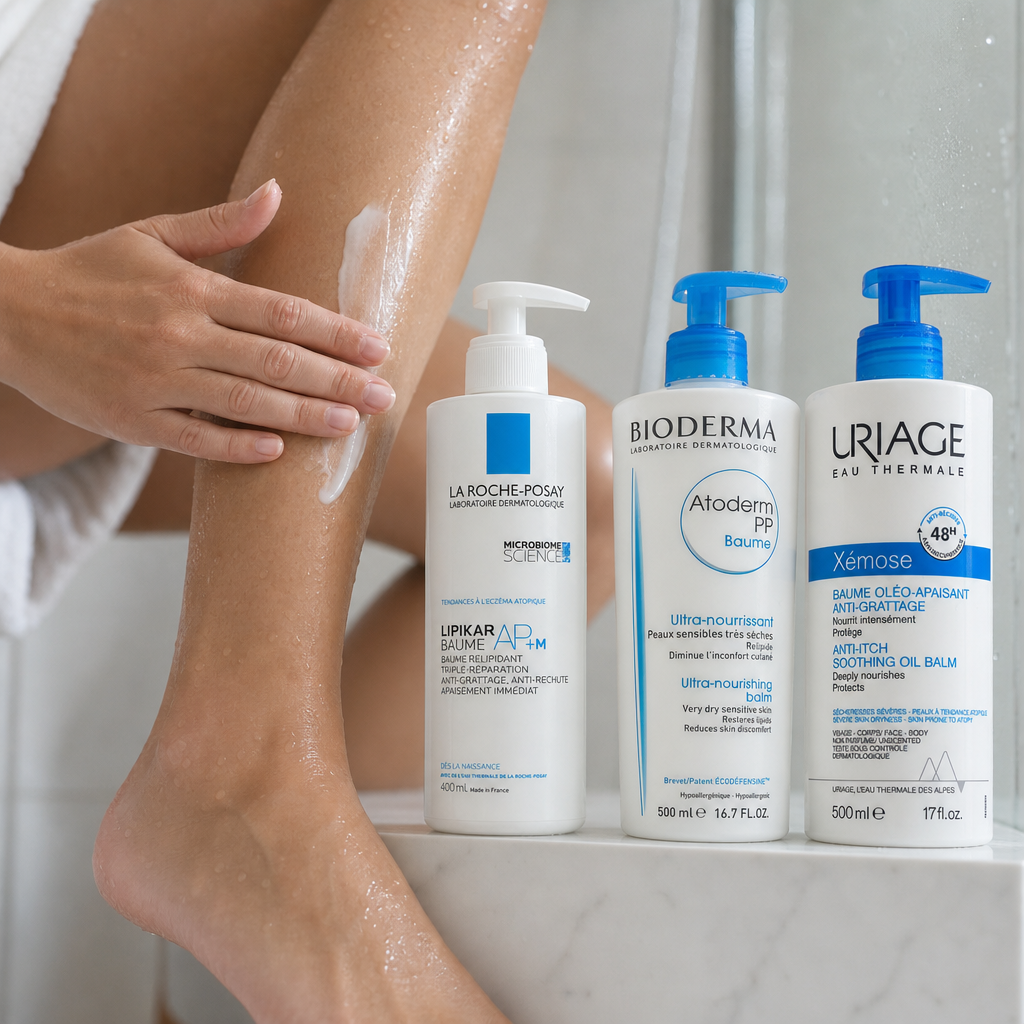
Lipids and Ceramides address a different issue: not roughness, but dryness and the feeling of tight skin. Ceramides are a natural part of the intercellular cement in the outer layer, and cosmetics that supplement them aim to help the skin retain moisture better. In this group, you'll find balms from the La Roche-Posay Lipikar range, such as La Roche-Posay Lipikar Baume AP+ M 400 ml. The texture is usually creamier than regular body lotion but still spreadable over a larger area – suitable when not only the heels but also the calves and shins are dry.
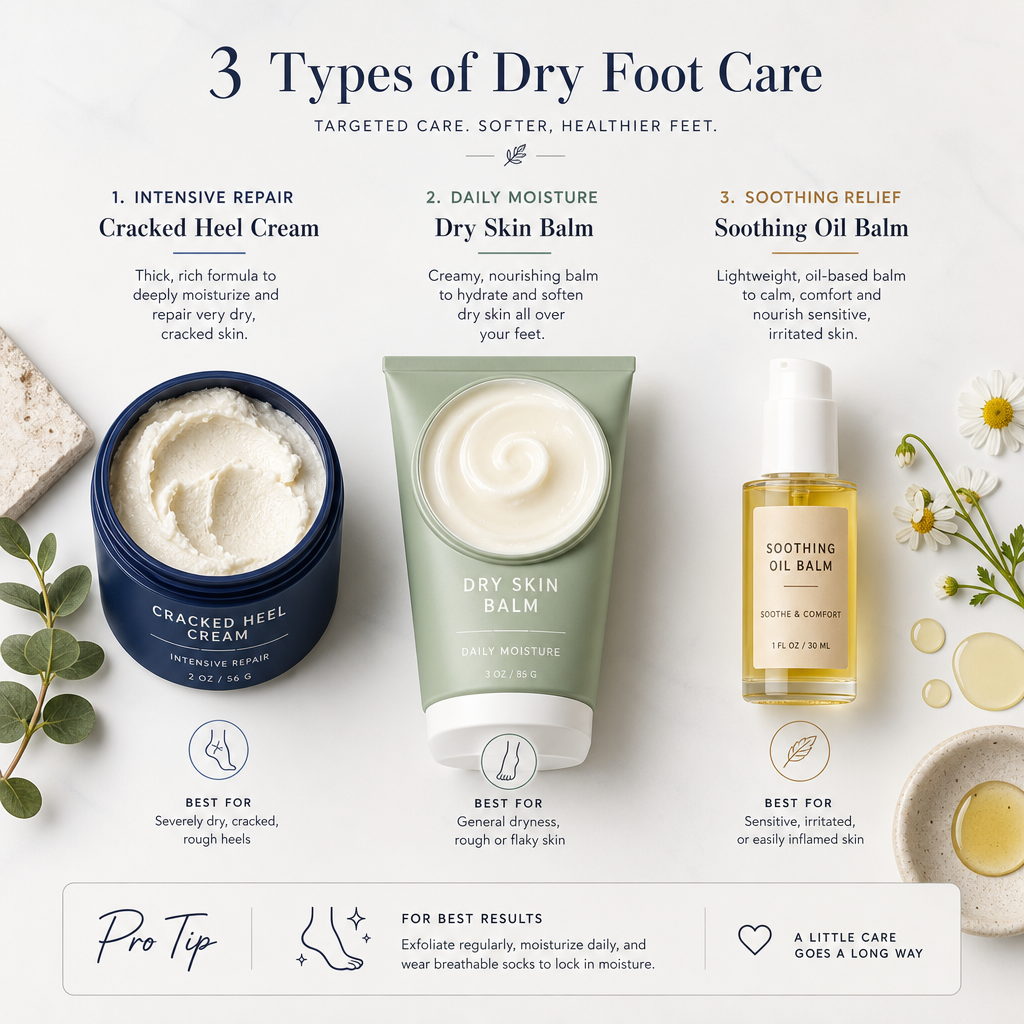
Soothing Oils and Rich Balms make up the third group. They work with plant oils and a higher fat content and are intended for skin that reacts to dryness with irritation, itching, or a feeling of tightness after a shower. This includes products like Bioderma Atoderm PP Baume 500 ml or Uriage Xémose Anti-Itch Soothing Oil Balm 500 ml. These are not targeted care for calloused heels but rather a comforting layer for the entire legs, especially appreciated by sensitive skin.
A simple guide on how to decide:
- Calloused, rough heels with hardened edges – a cream with salicylic acid, applied specifically to heels and feet.
- Overall dry skin on legs and the rest of the body – a balm with lipids and ceramides that can cover a large area.
- Sensitive, irritated, or itchy skin – an oil-based soothing balm with a simpler formula.
- A combination of both – a balm for the entire legs and a cream with salicylic acid just for the heels.
It's also worth paying attention to two practical things on the label. The first is the order of ingredients: the higher the oil or fatty component is listed, the richer the texture you can expect. The second is volume – for care that you'll use daily for several months, packages of 340 g to 500 ml make more sense than small tubes, as significantly more cream is used on legs than on the face.
And a note on timing. Interest in care for dry and sensitive skin regularly increases at the end of summer, and the range adapts accordingly, so now is a good time to compare compositions at your leisure.
Shower Oil as the First Step in Your Evening Routine
Your evening foot care doesn't start with cream, but with a shower. The washing process determines the condition of your skin for the next step – and after months in open shoes, there's not much left on your heels. A highly foaming shower gel removes not only dirt but also part of the skin's natural oils, leaving the balm applied a few minutes later with a disadvantage. When you switch the first step to a gentler cleansing product, the rest of your evening routine works noticeably better without needing to add anything extra.
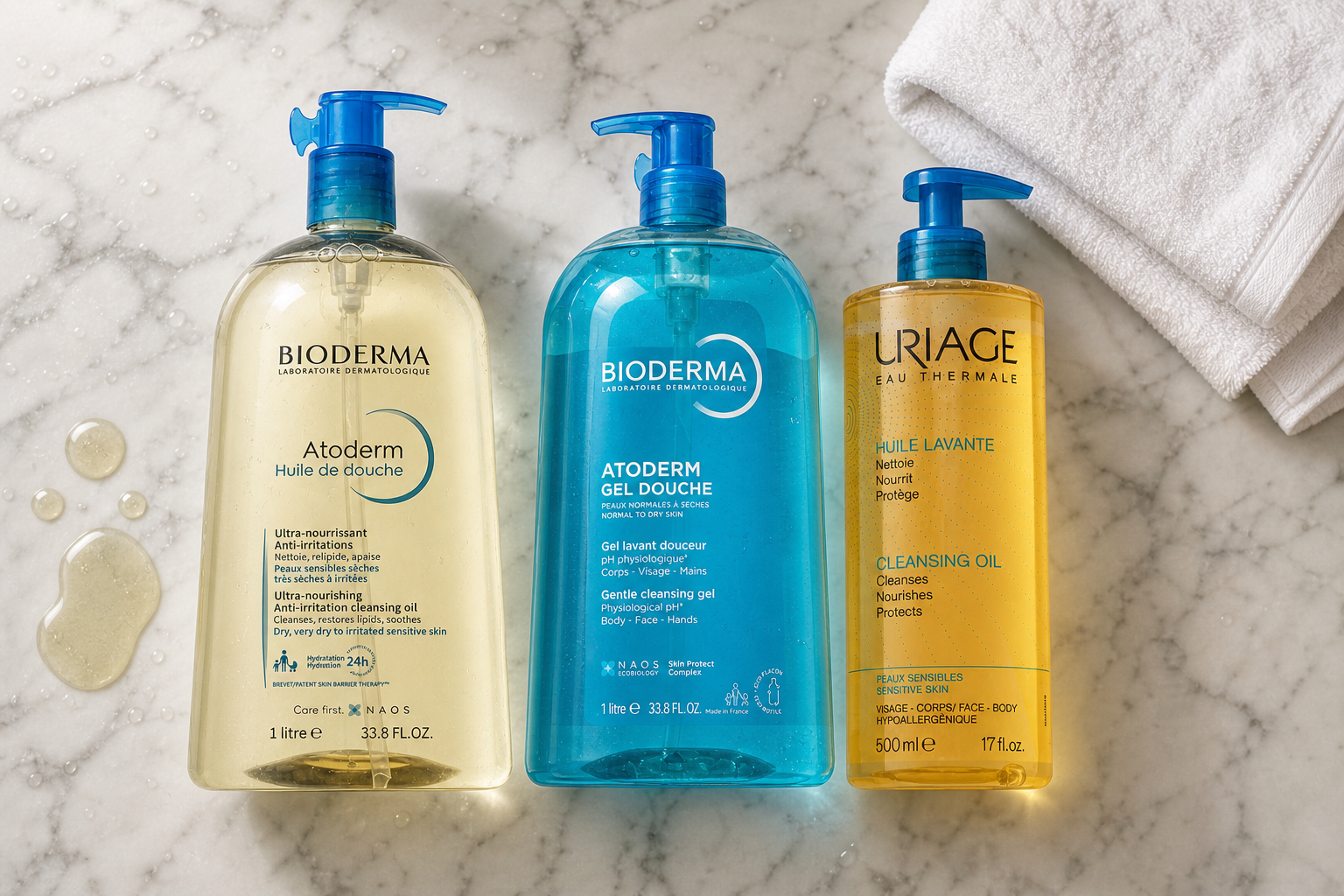
Whether you're looking for an oil texture or don't want to give up gel, you'll find both options in our catalog from brands that specialize in caring for dry and sensitive skin. Three choices that make sense after sandal season:
- Bioderma Atoderm Huile de Douche 1000 ml – an oil-based cleanser that turns into a gentle milk upon contact with water and doesn't leave a tight feeling after rinsing. It's the largest and most versatile choice of the three: a liter bottle lasts the whole family and is suitable for daily showering of the entire body. It's ideal if your calves itch after using regular gel and your heels feel like paper after drying.
- Bioderma Atoderm Gel Douche Gentle Shower Gel 1000 ml – a gel alternative for those who find oil too rich or dislike a slightly slippery tub. The foaming is subdued compared to drugstore gels, so the washing remains gentle, but the experience is closer to what you're used to. A practical choice for a morning shower if you prefer to save the oil for the evening.
- Uriage Cleansing Oil 500 ml – a universal oil for face and body that can also handle makeup removal. It's appreciated by anyone who doesn't want three bottles for three purposes in the bathroom or wants to try oil cleansing in a smaller size before committing to a liter.
All three products behave similarly on your feet: they won't dissolve calloused skin, so don't expect that, but they will leave it softer and more supple than a classic gel. If you use a foot file, do so after the shower when the skin is softened – the work is quicker and less aggressive. And use the file sparingly, as overzealous filing can prompt the skin to harden further.
Two small details matter more than you might think. The water should be lukewarm, not hot – a hot shower may feel nice after a cold day, but it dries out the skin and doesn't help with redness or itching. After showering, pat yourself dry with a towel instead of rubbing: leave the skin slightly damp, as it's easiest to apply and retain subsequent care on damp skin.
The cleansing step alone won't solve dry heels – it just stops working against you. What follows immediately after drying determines whether you'll return to closed shoes with smooth feet or cracked heels.


Body Balm, Heel Cream: How to Layer Hydration
Autumn foot care involves two layers. The bottom layer is full-body moisturizing, addressing the skin on calves, insteps, and the rest of the body dried out from summer. The top layer is targeted foot treatment, where the skin is significantly thicker, and a richer texture is more effective than a light cream. Most of us use only one of these layers – either we moisturize the whole body and neglect the heels, or we focus only on the heels and ignore dry calves.
Start with the bottom layer, the body balm. The three balms compared below fall into the same category of nourishing care for dry skin, but they differ in consistency, richness, and absorption speed. These three parameters determine whether the product will remain in your evening routine until spring or end up in the bathroom cabinet after a week.
- La Roche-Posay Lipikar Baume AP+ M Lipid Replenishing Body Balm 400 ml – a creamy balm of medium density. It spreads easily over large areas, so a small amount is enough for both legs, and it absorbs relatively quickly. A good choice if you want to get dressed immediately after application and don't want to wait for the product to dry.
- Bioderma Atoderm PP Baume Ultra-Nourishing Balm 500 ml – the thickest texture of the three compared. It applies more slowly and stays on the skin a bit longer, which is especially appreciated by very dry areas like shins and ankles. The 500 ml packaging suggests it's intended for daily full-body use.
- Uriage Xémose Anti-Itch Soothing Oil Balm 500 ml – an oil balm, something between a body oil and a classic balm. It spreads into a thin layer and is designed for dry skin prone to itching. Choose this if you find thick balms too heavy for the body.
Whichever you choose, it's usually not enough for the heels alone. The skin on the heel is noticeably thicker than on the calf, and body balm tends to stay on the surface.
This is where the second layer comes in: CeraVe SA Smoothing Cream 340 g. It's a smoothing cream designed for rough and tough skin, exactly what you deal with on heels and the sides of feet after sandal season. The texture is thicker than body balms and is applied in small amounts to small areas – one package therefore lasts significantly longer than its volume would suggest.
The layering rule is simple and fits into three steps:
- Apply body balm to dried feet from bottom to top, covering the entire feet, calves, and thighs.
- Let it absorb briefly, about a minute, so the next layer doesn't spread on slippery skin.
- Add a thin layer of thicker cream to heels, sides of feet, and toes. You don't need to apply it between the toes or on the instep – the skin there doesn't need it.
The order is not arbitrary. If you start with the thicker heel cream, the body balm would be harder to apply over it, and you would wipe off part of the thicker layer from the heels. Therefore, layer from the lightest texture to the thickest – it's the same rule you know from skincare.


Evening Routine in Five Minutes: Our Specific Recommendations
Everything we've discussed so far can be put together into a single routine you can complete before bed. It's not a demanding ritual or a long foot soak—it's mainly about the order in which you apply each product. Stick to it, and you'll only need five minutes, without having to catch up in the morning when you're rushing into closed shoes.
Five Steps That Follow Each Other
- Lukewarm shower with cleansing oil. Two to three minutes is plenty. Hot water dries out the skin more than is ideal at the end of summer, so keep the temperature on the lower side.
- Gentle drying. Press the towel against your skin rather than rubbing it. Leave your legs slightly damp—moisturizer spreads noticeably better on damp skin.
- Balm for the entire legs. From the calves down, including ankles and insteps. Apply a thin layer and massage it in until absorbed; the goal is not a shiny film, but a supple surface.
- Thicker cream for the heels. Specifically where the skin is rough—heel edges, foot borders, possibly toe pads. Here you can afford a noticeably thicker layer.
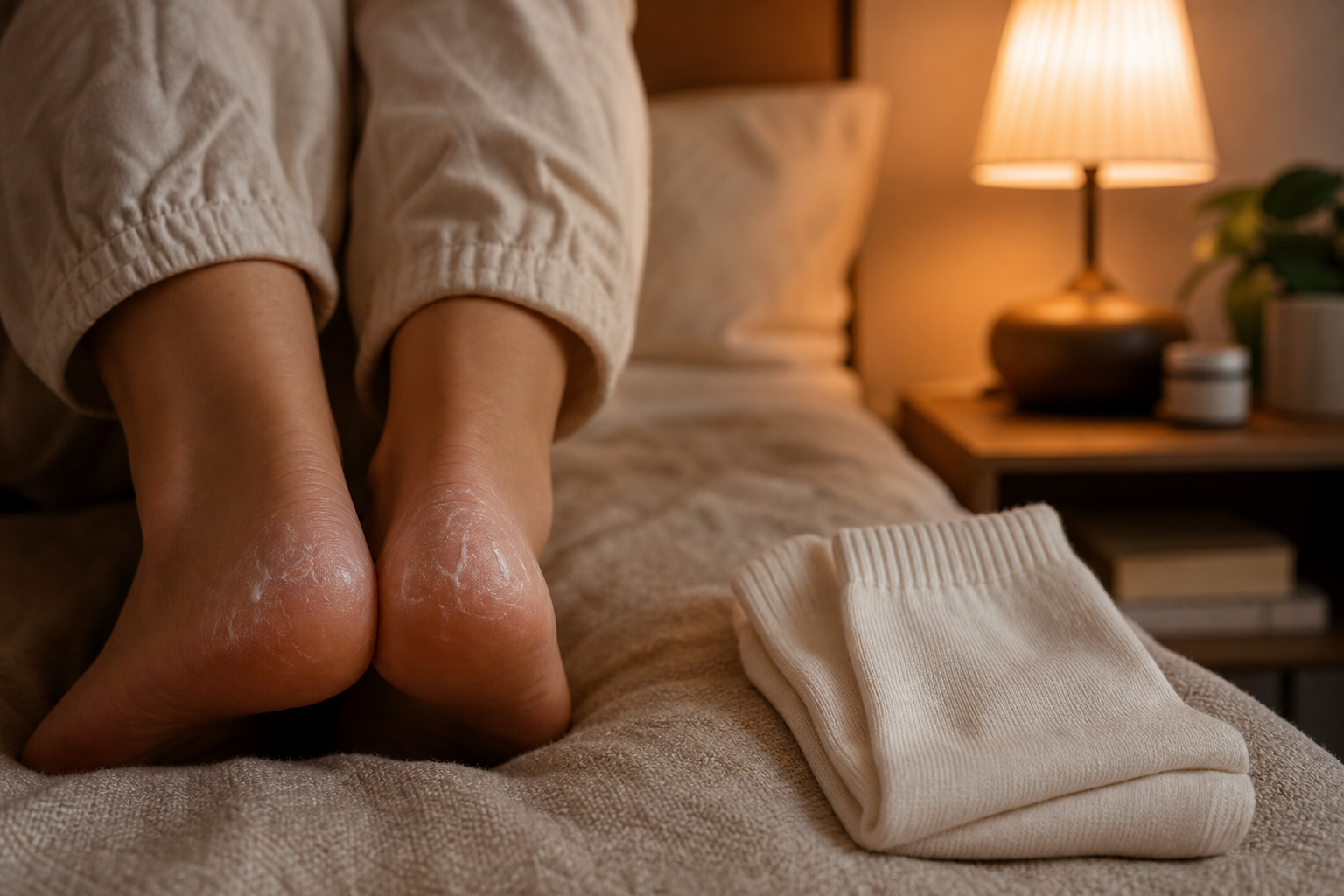
- Cotton socks overnight. They keep the cream in place, prevent marks on the bedding, and allow the skin to breathe better than synthetic materials.
For the first ten to fourteen days of the transition period, it makes sense to go through the entire routine every evening. Heels usually respond well to this frequency, and the difference is often noticeable in the first two weeks. Then you can switch to a maintenance regime: cleansing oil and balm according to how often you shower, and targeted heel cream two to three times a week. If you start wearing higher ankle boots in the fall or spend the whole day standing, return to the daily routine for a few days—the skin will usually indicate this itself.
First Set: More Accessible Pair
If you want to start simply with just two products, opt for the combination of Bioderma Atoderm Huile de Douche 1000 ml and CeraVe SA Smoothing Cream 340 g. The Bioderma shower oil takes care of the first step, cleanses without a tightening feeling, and there's enough for the whole household. Thanks to salicylic acid, CeraVe is perfect for that final targeted step on the heels, where a regular body cream isn't enough. The pair covers the beginning and end of the routine; you'll skip the balm for the entire legs for now and add it when you feel your calves and insteps need more.
Second Set: More Demanding Trio
If your skin is significantly drier or tends to be dry year-round, add La Roche-Posay Lipikar Baume AP+ M 400 ml between washing and heel cream. This creates a complete trio: oil, balm, cream. The balm is rich but absorbs quickly enough for you to put on socks immediately—which is crucial for an evening routine, as waiting with bare legs is one reason people abandon the whole process after a week.
Consider both sets as a starting point, not an unchangeable prescription. In the Body Care category, you'll find other variations for all three steps—a gentler shower gel instead of oil, another balm with a soothing ingredient, or a larger package if you share the routine with family. Try one set for a whole month, observe how your heels react, and only then swap out individual steps. One change at a time will give you a clearer answer than changing everything at once.
Category
Recommended articles

"Give a girl the right shoes and she can conquer the world!" Marilyn Monroe