
Why Choose a Serum and How to Navigate the Selection
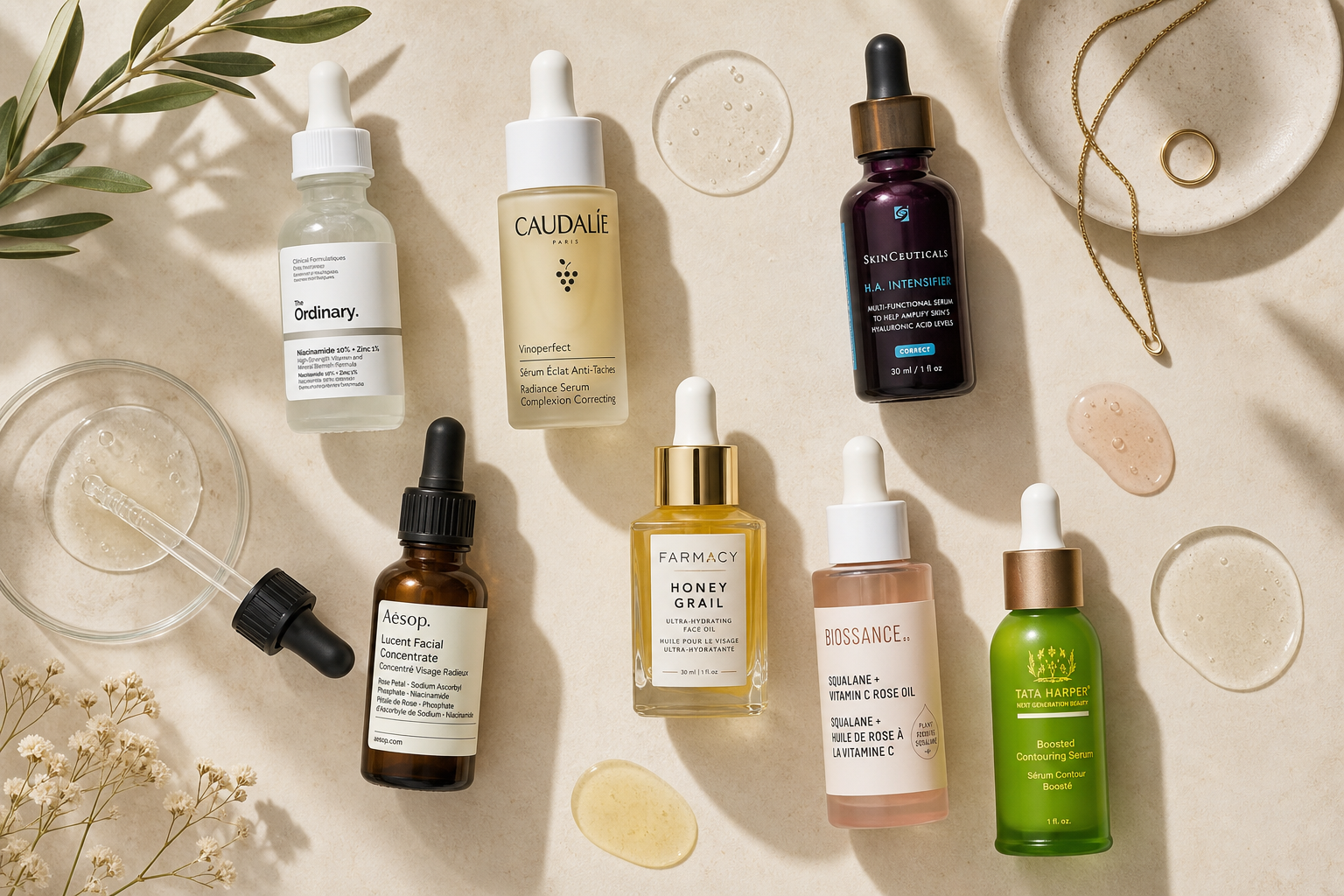
Whether you're dealing with the first fine lines, loss of elasticity, or just skin that gets unnecessarily shiny during the day, a serum can be the step that makes a noticeable difference in your skincare routine. Unlike a regular cream, its purpose isn't to create a layer on the skin that retains moisture. A serum works differently: it carries a higher concentration of active ingredients and has a lighter, often gel-like or watery texture, allowing it to absorb quickly and deliver its contents deeper into the upper layers of the skin. A cream complements and seals this work, but the concentrated care is usually left to the serum.
This leads to the main difference to keep in mind when choosing. You select a cream primarily based on how dry or oily your skin is. With a serum, you also decide based on the specific need you want to address first. Some seek intense hydration and moisture replenishment, others aim to smooth wrinkles and support elasticity, while others need to even out tone and reduce pigmentation spots or calm skin prone to imperfections. One serum rarely handles everything at once, which is why it's worth knowing what you expect from it.
When reading the ingredients, focus more on the active substances than on marketing names. Here's what to look for:
- Hydration and Moisture Replenishment — hyaluronic acid, niacinamide, panthenol, or glycerin. Suitable when skin feels tight, is dehydrated, or looks tired.
- Rejuvenation and Elasticity — retinol and its gentler derivatives, peptides, coenzyme Q10. Ideal for more mature skin and more visible wrinkles.
- Brightening and Tone Evenness — vitamin C, niacinamide, azelaic acid. Suitable for pigmentation spots and uneven tone.
- Soothing and Sebum Regulation — niacinamide, salicylic acid, zinc. Suitable for oily, combination, and problematic skin.
Notice that some ingredients appear across categories — niacinamide can both hydrate and regulate sebum, which is why you'll find it in products for various skin types. This is good news: even one well-chosen serum can address more than one need at the same time. It's important to choose based on what is a priority for your skin.
Before you start selecting, try to calmly answer two questions. What is your skin type — dry, normal, combination, or oily? And what do you want to address first — moisture, wrinkles, tone, or shine and imperfections? Once you're clear on both, the range of products worth considering will significantly narrow, and you'll avoid disappointment from a product that simply targets a different concern than you need.
To make your decision easier, we've gone through the facial and body care products offered by Brasty and selected nine serums that cover the most common needs. In the following sections, we'll guide you through the different skin types and show specific tips to help you find what suits your skin best. We'll start with skin that most calls for moisture.
Serums for Dry and Dehydrated Skin
Dry and dehydrated skin are not the same, even though they manifest similarly — with a feeling of tightness, slight flaking, or a dull, matte tone. Dry skin has a long-term lack of oils and a weakened skin barrier, while dehydrated skin mainly lacks water and can appear even in skin types that are otherwise oily. Serums in this category work on two levels: they replenish moisture and help restore the protective layer so that the water in the skin lasts longer. Let's take a look at the ingredients behind this and how three specific serums from our range differ from each other.
What Makes Hydration Effective
Two names you will often encounter in hydrating serums are hyaluronic acid and glycerin. Hyaluronic acid can bind a significant amount of water and create a moisture reserve in the skin; it is found in serums in various molecular sizes, so it acts both on the surface and in the deeper layers of the epidermis. Glycerin is one of the so-called humectants — it attracts water and helps retain it in the skin. They are often complemented by ceramides, which are lipids that are a natural part of the skin barrier and help "seal" the gaps between cells. When humectants meet ceramides in a serum, the care targets both causes of dryness at once: the missing water and the disrupted protective layer.
Three Serums and Who They Suit
For easier orientation, we have selected three products that cover different textures and care intensities. They differ in how rich they are and how significantly they work on barrier restoration:
- Embryolisse Hydra-Serum — our top choice in the category. A hydrating serum with a lighter, fast-absorbing texture that focuses on moisture replenishment and soothing the skin. It's perfect for you if you're looking for a fresh layer under your cream for your daily morning and evening routine and don't want to feel anything heavy on your skin. More suitable for dehydrated skin that mainly needs water, not nourishing oils.
- Mixa Anti-Dryness — care aimed at significantly dry and sensitive skin. You'll appreciate it during periods when your skin feels tight and flakes, typically in winter or after frequent washing. The texture is somewhat richer than a light hydrating serum, making sense when water alone isn't enough and the skin also calls for soothing.
- Dermacol Serum Ceramide — the choice for those of you who want to specifically support the skin barrier. Ceramides in the formula help restore the protective layer, making the serum suitable for weakened, irritated, or moisture-loss-prone skin. Ideal if you're troubled not only by dryness but also by the feeling that your skin "can't hold anything" and quickly dries out again.
How to Choose Between Them
If you should choose based on just one guideline, go by texture and what your skin lacks. The lighter Embryolisse Hydra-Serum is a universal start for dehydrated skin and combines well under additional care. When the skin is significantly dry and irritated, opt for the richer Mixa Anti-Dryness. And if the main issue is a weakened barrier and repeated drying, Dermacol Serum Ceramide with ceramides targets this need precisely. None of these serums need to be used alone — they work best as a hydrating intermediate step, followed by a cream according to the season and skin type.
Serums for Mature Skin and Wrinkle Smoothing
As we age, the skin naturally changes, losing the firmness and elasticity it once had. The skin becomes thinner, retains moisture less effectively, and the first lines around the eyes or mouth deepen into more pronounced wrinkles. Serums for mature skin respond to these changes more intensely than regular creams—they carry active ingredients in smaller volumes but higher concentrations, and their lighter texture allows them to penetrate deeper layers of the skin. If traditional hydration is no longer sufficient and you're seeking more targeted care, a serum is the logical next step.
How Lifting and Firming Serums Work on Skin Firmness
Lifting and firming serums target two interconnected phenomena: loss of elasticity and the formation of wrinkles. Some formulations focus on an immediate visual effect—making the skin appear tighter and smoother, with facial contours visibly firmer. Others work more long-term, with benefits becoming apparent after several weeks of regular use. In practice, both approaches are often combined, so you can expect both an immediate pleasant sensation and gradual results from a good serum. It's important to know that cosmetic serums care for and support the skin, but they do not replace dermatological procedures—results can vary for each skin type.
When choosing a serum, it's worth considering three things: the effect the serum is targeting, its texture, and the method of application. Richer, nourishing serums are more appreciated by dry and tired skin, while lighter gel consistencies are suitable if you don't want to weigh down your skin. Most serums are applied to cleansed skin in the morning and evening before cream, though some more concentrated treatments have their own rhythm—always follow the manufacturer's recommendations on the packaging.
Four Serums for Mature Skin from Brasty's Selection
To help you navigate your choice, we've compared four rejuvenating serums based on their focus and who they best serve:
- Lierac Lift Integral — a serum from a line focused on lifting effects. It emphasizes firming contours and tightening the skin, making it ideal if you're mainly concerned with loss of firmness and want to enhance the clarity of facial contours.
- Clarins Super Restorative Remodelling Serum — comprehensive care aimed at mature skin, addressing elasticity and overall skin condition simultaneously. A suitable choice if you're looking for a more universal serum and don't want to combine multiple products.
- Topicrem AH3 Global Anti-Aging Serum — a serum with a global rejuvenating focus and a texture that absorbs quickly. It's suitable if you prefer a lighter consistency and daily use without feeling like your skin is weighed down.
- Apivita Beevine Elixir — a serum with a nourishing character that combines wrinkle care with overall brightening. It's appreciated by those looking for rejuvenation with a pleasant sensory dimension and a gentler approach.
If you compare choosing a serum to selecting a perfume, a similar rule applies as with olfactory compositions—it depends on what you expect from it and how it suits your skin. Lifting serums like Lierac target specific firmness issues, the more comprehensive approach of Clarins covers more needs at once, the lighter Topicrem fits into a brisk daily routine, and Apivita adds a nourishing and sensory dimension to care. Try which approach suits your skin and how many steps you want to include in your care routine.
Serums for Oily, Combination, and Problematic Skin
If your skin gets shiny during the day, pores are more noticeable, and imperfections appear from time to time, drying products might not be the solution. On the contrary — aggressive degreasing irritates the skin, often leading to even higher sebum production. A much more effective approach is a lightweight serum with well-chosen active ingredients that soothe the skin, balance its tone, and help control shine without weighing it down.
For this skin type, watery or gel formulations are ideal as they absorb quickly and don't leave a greasy film. Look for ingredients like niacinamide, which helps reduce shine and unify tone, or soothing extracts that calm redness. On the other hand, thick oily textures are better suited for drier skin.
Niacinamide and Soothing: Beauty of Joseon Glow Serum
A good example of a light yet effective formulation is the Beauty of Joseon Glow Serum. It combines niacinamide with propolis, a bee product known for its soothing properties. Niacinamide targets tone balancing and supports a more even skin appearance, while propolis provides a comforting feel to skin prone to irritation and imperfections.
The texture of this serum is fresh and gel-like, so it absorbs quickly and is suitable as a layer under cream or sunscreen. If you're looking for a single product that addresses both shine control and soothing, this combination of ingredients is a great starting point.
Brightening with Vitamin C: Dermacol Serum Vitamin C Brightening
Oily and combination skin often shows traces of healed imperfections over time in the form of darker spots and uneven tone. This is where Dermacol Serum Vitamin C Brightening comes in. Vitamin C is an antioxidant that helps the skin look fresher and brighter and supports tone unification without weighing it down.
Incorporate the vitamin C serum ideally into your morning routine, where its protective antioxidant nature is beneficial, and always complement it with sunscreen — the skin is more sensitive to sunlight after brightening care. The light consistency of the serum layers easily and doesn't interfere with subsequent makeup application.
Why Even Oily Skin Needs Hydration
A common misconception is that oily skin doesn't need hydration. The opposite is true. Even skin that produces a lot of sebum can be dehydrated — lacking water, not oil. When you deprive it of water, it tries to compensate for the deficiency by producing even more sebum, which only intensifies the shine.
The solution is hydration without the heaviness. Lightweight, watery serums provide the moisture the skin needs without leaving a greasy feel. Therefore, even for oily and combination skin, it's worth not skipping serum and choosing one with a texture that matches a light, fresh character.
How to Decide Between Them
Both mentioned serums target the needs of oilier and combination skin, but each emphasizes something different. A short comparison will help you choose:
- Main Active Ingredient: Beauty of Joseon Glow Serum is based on niacinamide and propolis for soothing and shine control, while Dermacol Serum Vitamin C Brightening focuses on vitamin C for brightening and tone unification.
- Main Benefit: The first serum aims for comfort in skin prone to imperfections, while the second focuses on a fresher and brighter appearance.
- Texture: Both are lightweight and absorb quickly, making them suitable under cream and makeup.
- When to Use: Vitamin C serum is more suitable for the morning with subsequent sun protection, while niacinamide serum can be used both morning and evening.
If shine and occasional irritation are your main concerns, start with the serum containing niacinamide and propolis. If you also want to address darker spots and overall brightening, add the vitamin C serum. Both formulations can be combined in your skincare routine, just ensure to apply them in order from the lightest to the heaviest texture.
How to Incorporate Serums into Your Routine and Which to Choose
We've gone through nine tips for different skin needs, and now it's time to tie it all together into a simple decision. You don't choose a serum based on trends, but on what your skin truly needs. Once you identify your skin type and primary goal, the selection process becomes surprisingly straightforward.
Quick Overview by Skin Type
If you're unsure where to start, use this brief summary as a guide. It's just for orientation — details on specific products can be found in the previous sections of the article.
- Dry and Dehydrated Skin: opt for a serum with hyaluronic acid and nourishing ingredients that help replenish and retain moisture.
- Mature Skin and Wrinkles: look for targeted formulations aimed at smoothing and supporting elasticity, ideally with antioxidants.
- Oily, Combination, and Problematic Skin: choose lighter, fast-absorbing textures and ingredients that help regulate shine and refine the skin.
- Normal Skin without Major Issues: a universal hydrating or brightening serum will keep your skin in good condition.
Where Serum Fits in Your Daily Routine
The order of steps is not arbitrary — it is based on how different textures absorb. Apply serum to clean skin and leave other creams for later:
- First, thoroughly cleanse your skin to better absorb active ingredients.
- Optionally, use a toner or facial water to balance the skin.
- Apply the serum and massage it in gently; wait a moment for it to absorb.
- Seal it with a moisturizer that locks in moisture and active ingredients.
- In the morning, don't forget to finish your routine with sun protection.
Most serums are suitable for both morning and evening, but some targeted formulations are recommended mainly for evening use. Always follow the instructions on the specific packaging.
Serum is a Supplement, Not a Replacement for Moisturization
This is the most common misunderstanding we encounter. Serum has a light texture and a high concentration of active ingredients, which allows it to address specific needs — however, it cannot replace a regular moisturizer. The moisturizer creates a protective layer on the skin that the serum alone cannot provide. Your skin will benefit the most when you combine both steps.
And don't be afraid to combine multiple targeted products. If you're dealing with dehydration and early wrinkles at the same time, you can use one serum in the morning and another in the evening, or layer them from the lightest to the thickest texture. Give your skin a few weeks before assessing the results — skincare works over time, not overnight.
How to Make the Final Choice
Try answering two questions: what is my skin type and what do I primarily want to address? The answer will guide you to a specific group of serums from the tips above. If you're torn between two options, start with what bothers you most about your skin — you can address the rest later.
Serum is just one piece of a broader skincare regimen. You can find a complete range of facial and body cosmetics, including cleansers, creams, and accessories, all in one place at Brasty, so you can coordinate your entire routine. Whether you're starting from scratch or just fine-tuning your care, we believe you'll now choose with confidence.
Category
Recommended articles
"Give a girl the right shoes and she can conquer the world!" Marilyn Monroe