



As the cold sets in, a light summer cream is no longer enough, and your skin may start to feel tight. We'll guide you on how to choose a nourishing winter cream based on whether your skin is dry, sensitive, normal, or mature.
When Your Skin Starts to Feel Tight: Why Your Summer Cream Isn't Enough Anymore
Just a few frosty mornings and the first weeks of the heating season – and skin that was content with a light gel in September suddenly feels tight, flakes around the nose, and turns red on the cheeks. It's not a whim or a mistake in care. Winter conditions affect the skin from several angles at once, and the cream that suited you in the summer simply wasn't designed for them.
What Happens to Your Skin in Winter
- Frost – In the cold, the skin produces less sebum, so the natural protective film on its surface weakens.
- Wind – It removes moisture from the skin's surface and mechanically irritates the skin, which is why cheeks, nose, and lips are most affected.
- Dry Air from Heating – Air with low humidity continuously draws water from the skin, even on days when you are indoors all day.
- Temperature Fluctuations – Rapid transitions from cold to warm and back are an additional burden for more sensitive skin and can result in redness.
To choose a winter cream wisely, it helps to distinguish between two terms that are often confused. Hydration means adding water – achieved by ingredients that bind moisture in the skin, typically hyaluronic acid or glycerin. Nourishment, on the other hand, means adding lipids, or fats, such as ceramides, plant oils, butter, or squalane. Lipids create a gentle protective layer on the skin's surface and help slow the evaporation of water contained in the skin.
A light summer gel or fluid is mainly focused on hydration and contains few lipids. In summer, this is an advantage because it doesn't burden the skin and absorbs quickly. However, in winter, the water it provides to the skin escapes quickly without a sufficient "lid" of lipids. The result is the feeling that the cream doesn't last even until lunch. Winter care, therefore, needs both: water and fats to retain it in the skin.
How to Identify a Richer Texture on the Packaging
Manufacturers usually distinguish the more nourishing versions of their creams in the name. When choosing, look for these labels:
- Riche – French for "rich"; a creamier, denser version of a line that usually also has a lighter sister (often labeled Légère or Light).
- Baume – Balm, the richest texture with a high lipid content, suitable for very dry areas or for night use.
- Enriched – English for "enriched"; a more nourishing version of a cream that also exists in a basic texture.
The feel of the texture also gives a hint: a winter cream is usually denser, takes a little longer to absorb, and leaves a gentle, not greasy, film on the skin.
In the following sections of the article, we will go through specific creams according to skin type. We'll start with dermocosmetics – brands like Bioderma and La Roche-Posay offer rich textures for dry and sensitive skin. For normal and mature skin, we'll add naturally oriented creams from Dr. Hauschka and luxurious care from Shiseido.
Dry Skin: Richer Texture and Lipid Renewal
Dry skin is the first to show signs of winter. After washing, it feels tight, small flakes appear on the cheeks and around the nose, and makeup doesn't adhere as well as it does in summer. This is usually due to a weakened protective layer of skin lipids, which is gradually disrupted by frost, wind, and dry air from heating. Therefore, hydration alone is not enough – the skin also needs care that helps retain moisture and replenishes missing lipids.
Whether you have mild dryness or areas that literally peel in the cold, it's worth choosing according to the intensity of the issues. The following three products differ in texture and when they are best used.
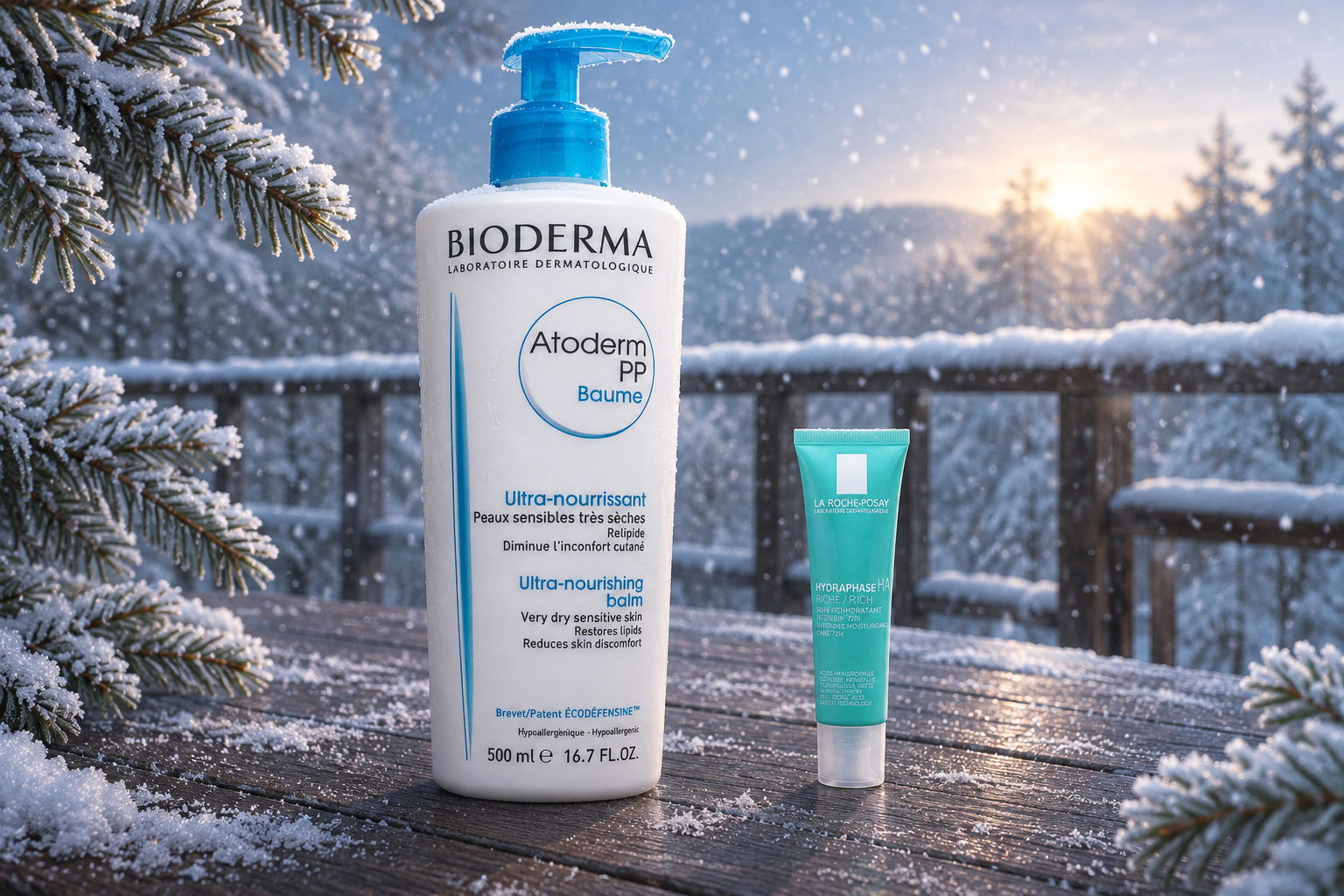
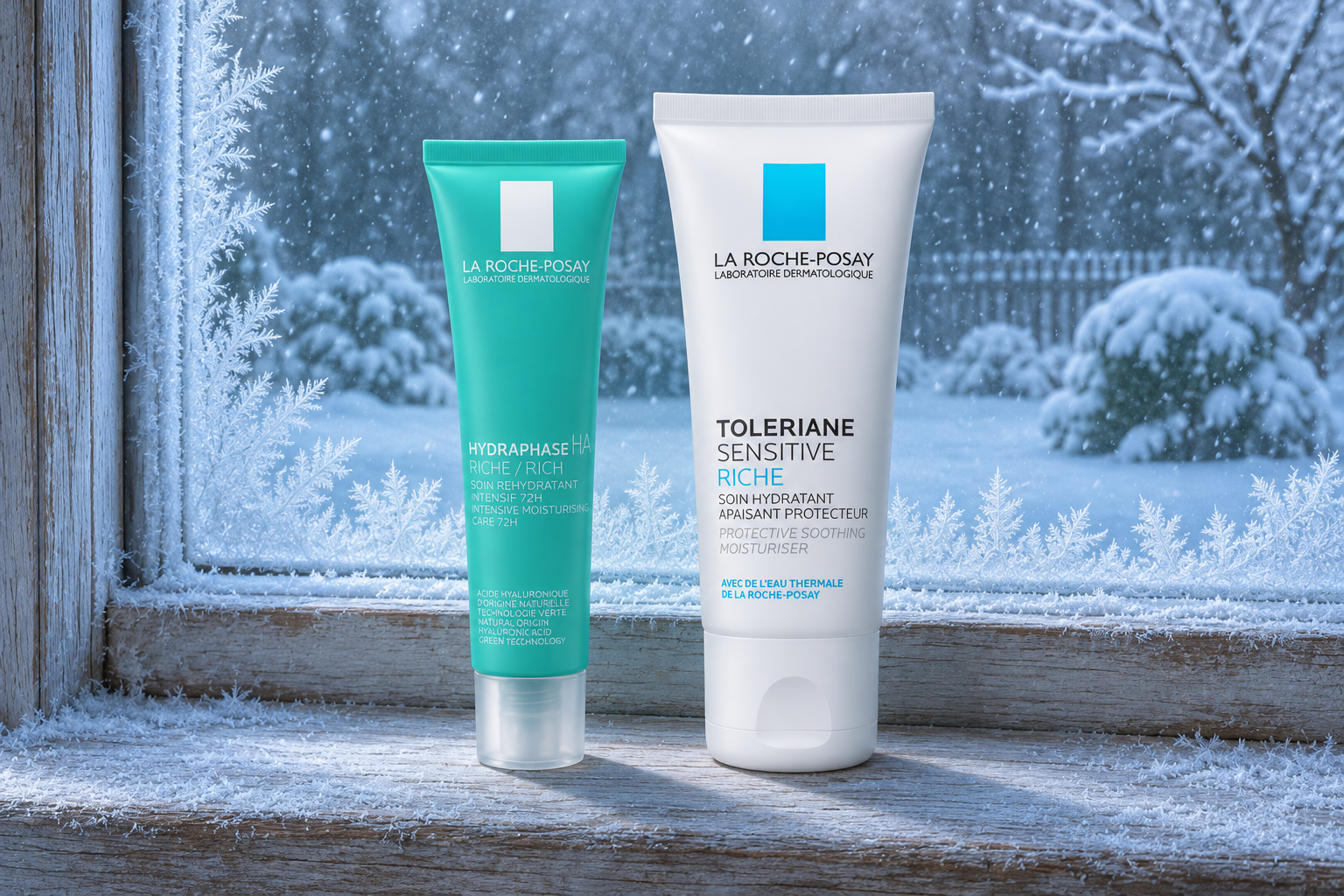
La Roche-Posay Hydraphase HA Riche. The Hydraphase HA line from La Roche-Posay is based on hyaluronic acid, which helps bind water in the skin's surface layers. The Riche variant has a creamier and more nourishing texture than the lighter Légère, making it ideal for the winter months. Yet, it is not heavy – you can apply it in the morning under makeup and in the evening before bed. It belongs to the higher pharmacy price range.
Bioderma Atoderm PP Baume. If your skin needs not just hydration but mainly nourishment, the Atoderm PP Baume balm from Bioderma will serve you well. Its thicker, rich texture creates a protective film on the skin, reducing tightness and the feeling of roughness. The balm is designed for very dry skin on the face and body, so one large package covers the face, hands, elbows, and shins. During the day, it may be too noticeable on the face, so it's best used in the evening or locally on the driest areas. In terms of quantity, it is one of the more economical choices.
COSRX The Ceramide Skin Barrier Moisturizer. An additional option for those who want to target the skin barrier directly is the cream from the Korean brand COSRX. Ceramides are a natural part of the skin's lipid layer, making the cream suitable when the skin reacts to alternating between frost and heated rooms. Its creamy texture can be used both morning and evening. It is priced at a mid-range level.
For a quick comparison:
- Hydraphase HA Riche – creamy texture with hyaluronic acid, suitable for day and night, even under makeup; higher pharmacy price range.
- Atoderm PP Baume – thick balm for very dry areas of the face and body, mainly for night use; large packaging is economical.
- The Ceramide Skin Barrier Moisturizer – cream focused on ceramides and the skin barrier, for day and night; mid-range price level.
You can also combine the products. For example, it is effective to use a cream with hyaluronic acid in the morning and apply a more nourishing balm in the evening to protect the skin from drying out due to heating overnight.

Sensitive Skin: Simple Formulas Over Experiments
Sensitive skin tends to react more quickly in winter than other skin types. The cold outside, dry air from heating inside, and frequent temperature changes weaken its protective barrier, so it takes very little—sharp wind, a hot shower, or a new product—to cause redness, burning, or discomfort. That's why for sensitive skin in the colder months, it's best to stick to tried and true: fewer ingredients, no unnecessary fragrances, and care products you already know.
The shorter the ingredient list, the less likely you are to encounter a substance your skin reacts to. Creams for sensitive skin typically omit fragrances, dyes, and other additives that don't contribute significantly to care. If you already know what doesn't suit you, read the ingredients carefully, even on products that promise gentleness on the label.
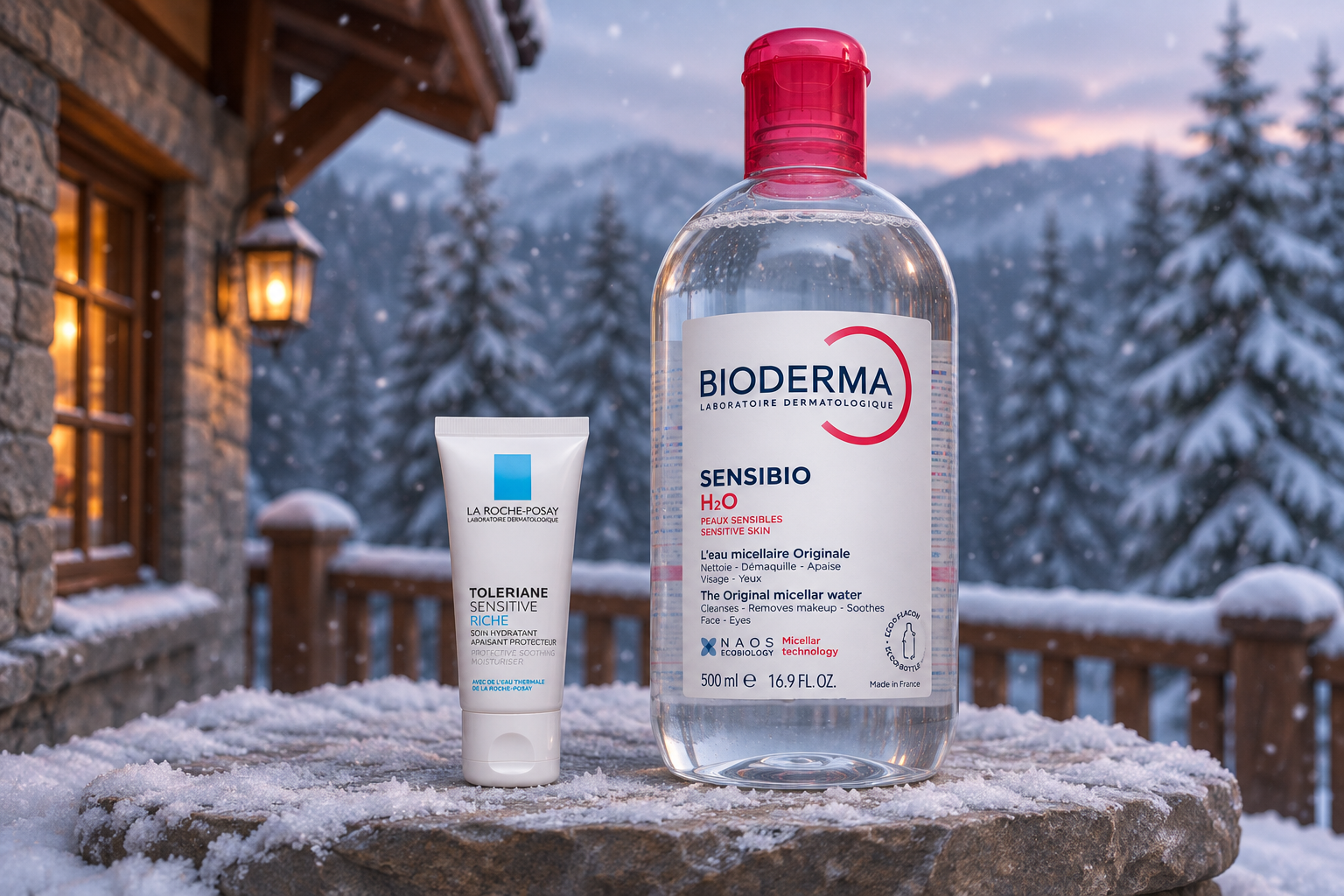
For a nourishing option for skin that is both sensitive and dry, we recommend the Toleriane Sensitive Riche cream from La Roche-Posay. It has a minimalist formula without fragrance and a richer texture, which is more suitable for the cold months than a light fluid. You can use it both morning and evening; it softens the skin and helps relieve tightness without unnecessarily burdening it. Price-wise, it falls into the premium pharmacy cosmetics category—it's not a luxury investment, but it's also not at the basic price level.
Even a carefully chosen cream can't compensate for overly aggressive cleansing. If your skin feels tight or burns after washing, it's a sign that the cleansing product is removing more than it should. The Sensibio range from Bioderma is designed for sensitive skin. The Sensibio H2O micellar water gently removes makeup and impurities and doesn't require rinsing, which is especially appreciated where the water is hard. Those who prefer washing can opt for the Sensibio DS+ cleansing gel, which is designed for sensitive skin prone to redness and flaking. Wash with lukewarm water, not hot, and gently pat your skin dry with a towel, don't rub it.
Introduce a new cream gradually, even if it's designed for sensitive skin:
- First, test it on a small area for a few days, such as along the jawline.
- Change only one product at a time—if a reaction occurs, you'll know what caused it.
- If everything is fine, start using the cream on your entire face and give your skin two to four weeks to evaluate its effect.
When choosing, avoid:
- strong fragrances and essential oils, which are common irritants,
- combining multiple active ingredients at once, such as acids and retinol, when the skin is irritated,
- harsh mechanical exfoliants and very hot water,
- frequent switching of creams—sensitive skin benefits from a consistent and simple routine.
If redness or burning persists despite gentle care, it's advisable to consult a dermatologist.


Normal and Mature Skin: from Dr. Hauschka to Shiseido
Normal skin usually doesn't cause much concern throughout the year, but in winter, it can become noticeable. Frost, wind, and dry air from heating can leave it feeling tight and looking duller than usual. Mature skin has its own needs – as we age, it loses natural lipids, so it appreciates nourishment that lasts all day. For both situations, let's look at creams from two brands with different approaches and price levels.
Dr. Hauschka: Two Textures Depending on How Your Skin Handles Winter
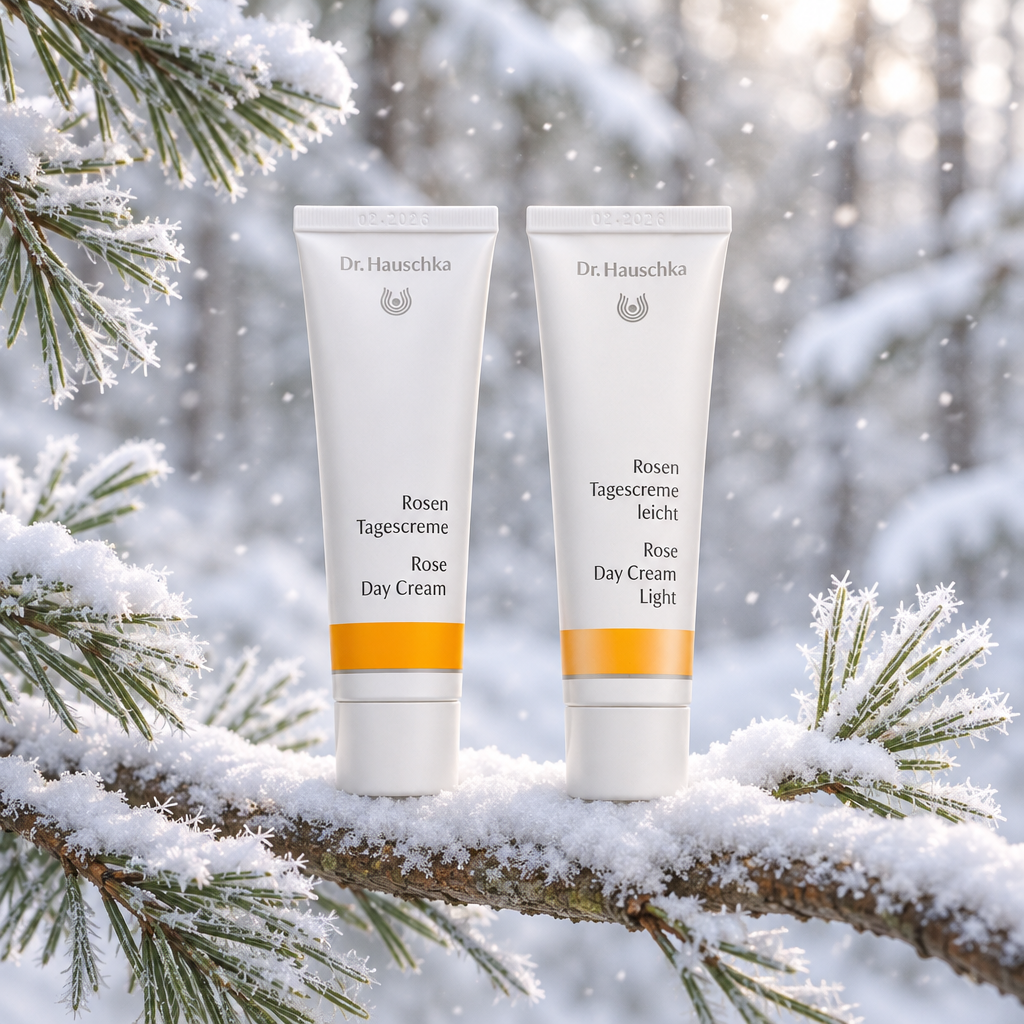
Dr. Hauschka is a well-established name in natural cosmetics, and their Rose Day Cream comes in two versions. They mainly differ in richness, so the choice depends on how much winter dries out your skin:
- Rose Day Cream – a richer, creamier texture. Suitable for normal skin that starts to feel tight in the cold, and also for skin prone to dryness or redness after being outdoors.
- Rose Day Cream Light – a lighter version that absorbs quickly without weighing down. Suitable for normal to combination skin, or on days when you spend most of your time indoors.
Both versions are in the same premium price range, so the decision can purely be based on how they feel on your skin. A simple test can help: if your skin feels tight a few hours after applying the lighter version, it's time to switch to the classic one. Many people alternate between the two textures throughout the year – lighter for spring and summer, richer for the winter months.
Shiseido: Nourishment and Firmness for Mature Skin
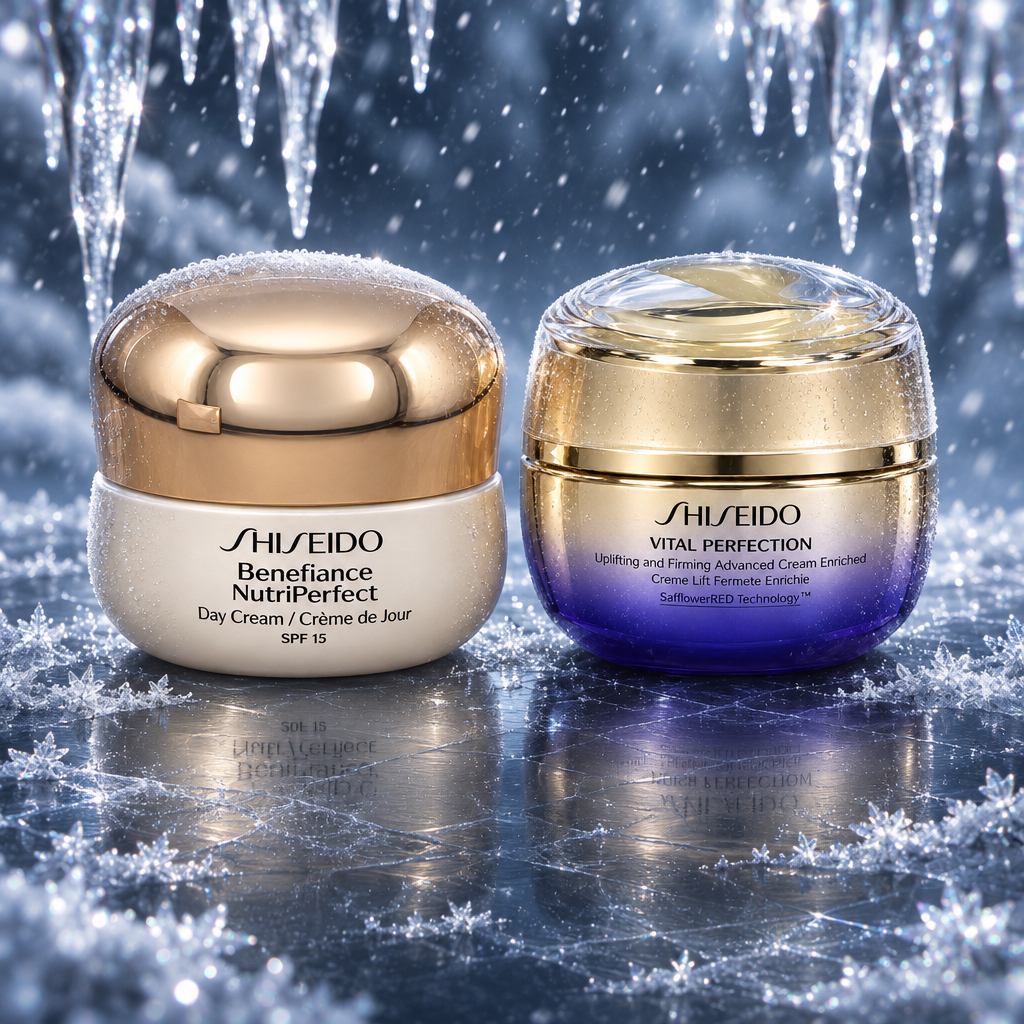
For mature skin, Shiseido skincare offers creams from the luxury price category that, besides hydration, also target visible signs of aging. Two of them are particularly suitable for winter:
- Benefiance NutriPerfect SPF 15 Day Cream – a day cream focused on nourishing mature skin, which also offers SPF 15 protection. This way, you can manage care and basic protection in one step in the morning.
- Vital Perfection Uplifting and Firming Advanced Cream Enriched – a cream from the range focused on firming and contouring the face. The Enriched version is a richer alternative to the standard Advanced Cream and is aimed at drier skin, making it more sensible for winter.
Compared to Dr. Hauschka, this is a significantly more expensive range with a more complex focus. If your skin mainly needs nourishment and protection, Benefiance will be a good choice. If you're more concerned about firmness and your skin tends to be dry in winter, consider Vital Perfection Enriched.
Why SPF Makes Sense Even in Winter
Ultraviolet radiation doesn't disappear in winter; it's just weaker. Some of it passes through clouds, and snow reflects it back to your face. For mature skin, where care often focuses on pigmentation spots and wrinkles, it's wise not to skip protection even in the colder months. A day cream with SPF, like Benefiance NutriPerfect, covers a regular day in the city. However, for the mountains or longer exposure to snow, we recommend a separate product with higher protection.


How to Choose Your Winter Cream: A Quick Guide by Skin Type
Whether your skin feels tight in the frost, turns red, or just needs more comfort than in summer, choosing a winter cream can be simplified to three questions: what is your skin type, what time of day do you apply the cream, and how much time do you spend outdoors. The following guide summarizes the creams mentioned in this article, categorized by skin type.
- Dry Skin: La Roche-Posay Hydraphase HA Riche as a richer day cream with hyaluronic acid. If you're looking for care focused on ceramides for the skin's protective barrier, consider COSRX The Ceramide Skin Barrier Moisturizer.
- Sensitive Skin: La Roche-Posay Toleriane Sensitive Riche with a short ingredient list, complemented by gentle cleansing with Bioderma Sensibio H2O micellar water.
- Normal Skin: Dr. Hauschka Rose Day Cream for cold days, with a Light version for skin that finds the classic texture too heavy.
- Mature Skin: Shiseido Benefiance NutriPerfect SPF 15 as a day cream with a protective factor, and for harsher frosts, the richer Shiseido Vital Perfection Uplifting and Firming Advanced Cream Enriched.
Frost Cream. Apply your day cream in advance, ideally during your morning routine, so it has time to absorb before you go outside. On cheeks, nose, and chin, which are most exposed to the wind, you can add a thin second layer. Light gel textures that refresh pleasantly in summer often aren't enough in winter – richer creams and balms usually provide more comfort.
Day or Night Care? Day creams tend to have a lighter texture, absorb quickly, blend well with makeup, and often contain a protective factor. Night creams are usually richer, providing nourishment when the skin isn't burdened by wind or makeup. Opt for a richer night variant if your skin feels tight, flaky, or remains red for a long time after returning from the cold. For dry, mature skin, a simple rule works: a lighter cream during the day, and a layer of richer care at night that you wouldn't use under makeup.
Care Doesn't End with the Face. Frost outside and dry indoor heating air dry out hands, elbows, shins, and back. As a follow-up step, body balms are recommended, ideally applied after a shower on slightly damp skin. From the Bioderma Atoderm range, you can choose between Atoderm Intensive Baume and Atoderm PP Baume, both available in larger family-sized packaging. Similarly rich in texture is the La Roche-Posay Lipikar Baume AP+M, designed for very dry skin.
If you're unsure, start with a cream from the guide above based on your skin type and observe how your skin reacts after a week or two. If it still feels tight, try a richer night variant – and remember, the rest of your body deserves the same attention.
Category
Recommended articles

"Give a girl the right shoes and she can conquer the world!" Marilyn Monroe